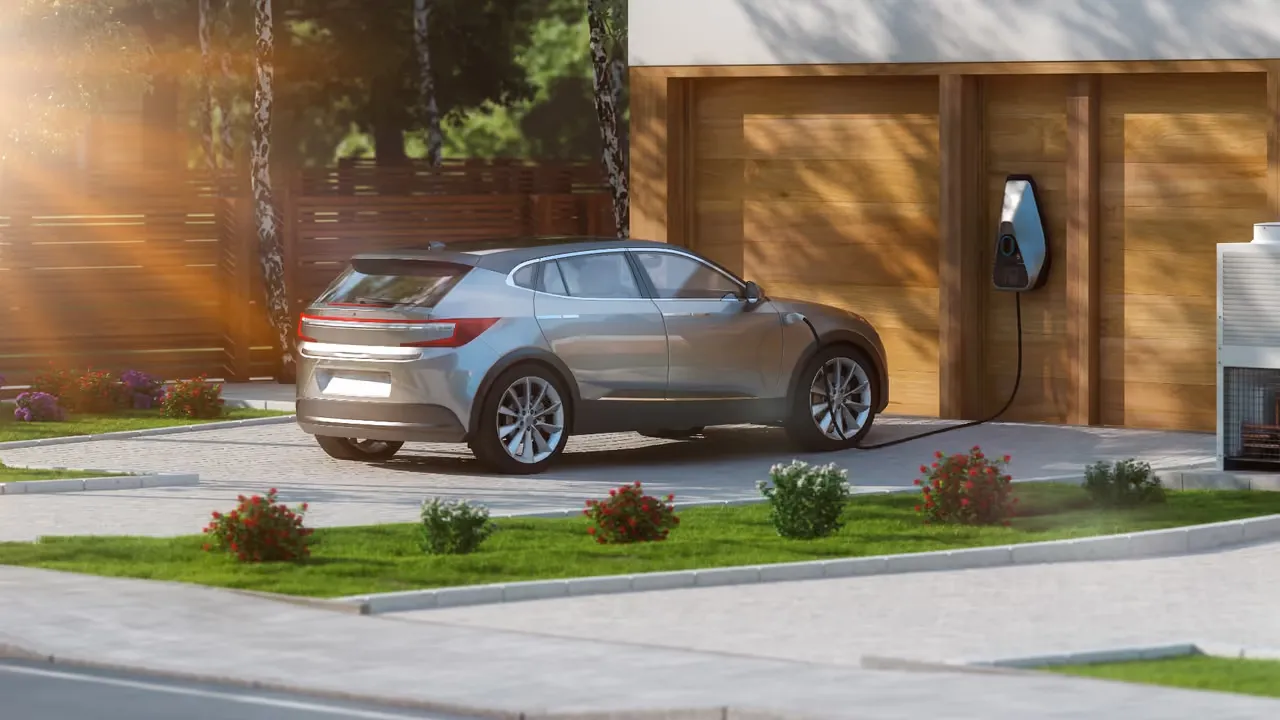


Apartment Searches Revolve Around EVs
How does owning an electric vehicle shape where you live and how your home is designed in the city? As EVs become more common, the way we think about urban housing is shifting in real time. Charging an electric car isn’t as simple as pulling up to a gas station, and that reality is influencing everything from apartment searches to architectural plans.
The impact of EV charging needs on apartment hunting decisions
If you’re hunting for an apartment with an EV, the first question isn’t always about the number of bedrooms or proximity to work. It’s about whether you can charge your car.
Many urban dwellers rely on apartments without dedicated parking spots or garages. For these residents, the availability of EV charging options can make or break a lease decision. A building that offers dedicated EV charging stations or the ability to install a charger in your assigned parking space suddenly becomes far more attractive.
Without this infrastructure, EV owners face daily hassles: hunting for public chargers, paying premium fees, or driving out of their way just to top off a battery. This inconvenience nudges some buyers to prioritize neighborhoods with more EV-friendly housing stock, even if it means sacrificing other preferences like location or size.
What renters and buyers look for
- Guaranteed access to EV charging: Buildings that advertise dedicated EV spots or on-demand charging are winning points.
- Proximity to public chargers: If private charging isn’t available, convenient access to public infrastructure matters.
- Parking layout: Easy-to-access parking spots that don’t require complicated wiring or shared usage appeal to EV owners.
Incorporating EV infrastructure into new residential developments
Developers can no longer ignore electric vehicles when designing urban housing. Forward-thinking projects are integrating EV charging into the blueprint from day one, rather than as an afterthought.
Embedding EV chargers in underground garages, allocating power capacity for future EV installations, and designing parking layouts with shared chargers in mind are becoming standard practice. This approach not only appeals to EV buyers but also future-proofs the property.
Some cities are even mandating a minimum number of EV charging stations in new developments. These rules push builders to think creatively about electrical load management and space allocation.
Design priorities for EV-ready developments
- Electrical infrastructure capacity: Ensuring the building’s power system can handle multiple high-capacity chargers operating simultaneously.
- Smart charging solutions: Installing chargers that can manage load dynamically, reducing strain during peak hours.
- Shared charging strategies: Designing flexible spaces where residents can reserve charging spots or share access efficiently.
- Integration with renewable energy: Pairing EV chargers with solar panels or energy storage to reduce grid dependency and environmental impact.
Retrofitting older homes and condos for EV compatibility
What about those living in older buildings not designed with EVs in mind? Retrofitting is often complicated but increasingly necessary.
Older homes may lack the electrical capacity or wiring to support EV chargers. Adding this capability can mean hiring electricians to upgrade panels, install dedicated circuits, and sometimes negotiate with homeowner associations or landlords. In condos, the challenge extends to common areas and shared infrastructure, requiring collective decision-making and often expensive upgrades.
Still, the costs of retrofitting can be offset by increased property values and tenant demand. Some neighborhoods have seen a surge in “EV-ready” renovations as residents push for convenience and sustainability.
Key retrofit considerations
- Electrical capacity upgrades: Ensuring the home or building can support the added load without frequent breaker trips.
- Coordination with property management: Gaining approvals and aligning with building codes, especially in multi-unit buildings.
- Installation logistics: Finding accessible parking spots near electrical panels or routing wiring safely.
- Cost-sharing models: In condos, negotiating fair distribution of installation and maintenance expenses among residents.
Economic and lifestyle trade-offs for EV owners in urban settings
Owning an electric vehicle in the city isn’t just about the car itself; it changes how you live and spend money.
On the economic side, EV owners may face higher housing costs if they prioritize EV-ready apartments or neighborhoods. Developers charge premiums for EV-friendly amenities, and retrofit costs can be steep. However, EV owners often save on fuel, maintenance, and sometimes parking fees, balancing out some of those upfront expenses.
Lifestyle trade-offs also come into play. Some urban EV owners accept longer walks or bike rides from home to public chargers. Others trade space or convenience for the ability to charge overnight. In dense cities where parking is scarce, having reliable EV charging can determine your choice of residence or even push you toward car-free living altogether.
Ultimately, owning an EV in the city means weaving your charging needs into daily routines and housing decisions. It’s no longer a simple matter of where you want to live, but where your car can live too.