

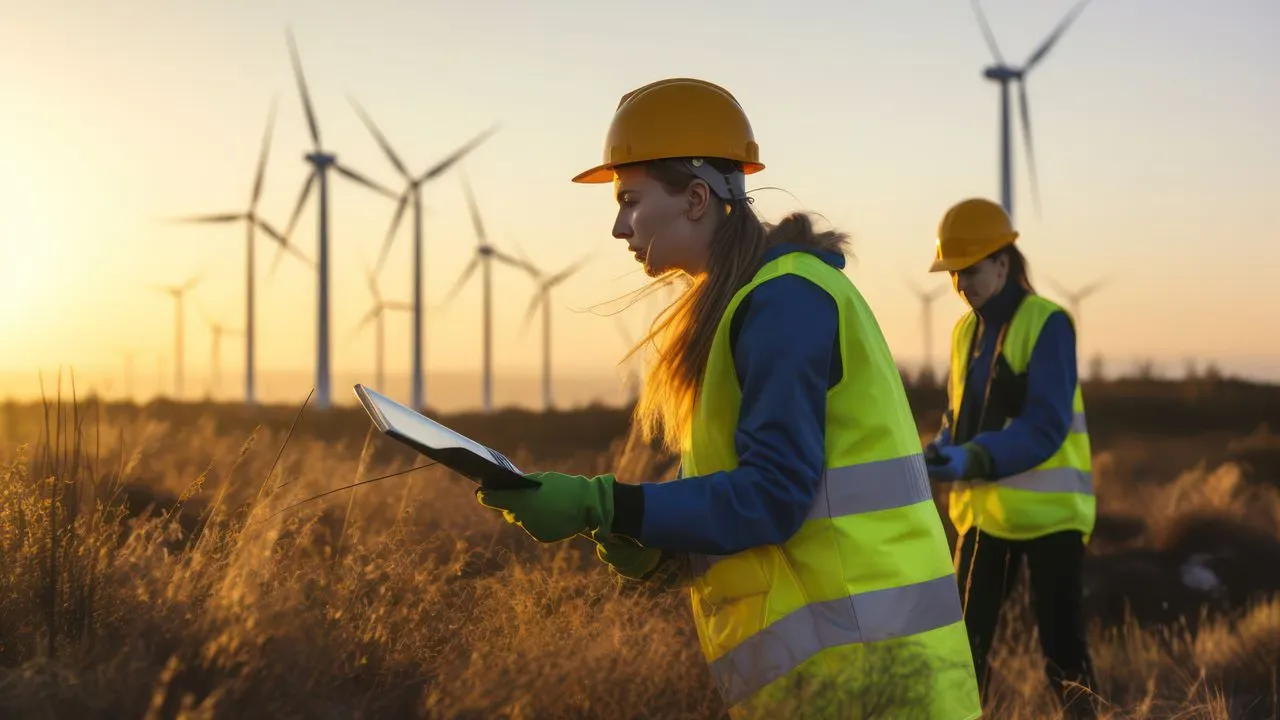
BuildingAGreenerFuture
Sustainable Materials and Construction: Building a Greener Future
When it comes to construction and design, the choices we make today have a long-lasting impact on our environment and future generations. The use of sustainable materials in construction is not just a trend; it’s a necessity for creating buildings that are energy-efficient, environmentally friendly, and built to last.
Energy-Efficient Materials
One of the key aspects of sustainable construction is the use of energy-efficient materials. These materials are designed to reduce energy consumption and minimize the carbon footprint of a building. From insulation to windows to roofing materials, every component of a building can be optimized for energy efficiency.
For example, using high-performance insulation materials can help reduce heating and cooling costs by keeping the building’s interior temperature stable. Similarly, installing energy-efficient windows with low-E coatings can help prevent heat loss in the winter and heat gain in the summer, reducing the need for artificial heating and cooling.
Renewable Materials
Another important aspect of sustainable construction is the use of renewable materials. These materials are sourced from natural, replenishable sources that can be grown or harvested without causing long-term environmental damage. Examples of renewable materials include bamboo, cork, and reclaimed wood.
By using renewable materials in construction, we can reduce our reliance on finite resources like traditional lumber and minimize the environmental impact of our building projects. Not only are renewable materials sustainable, but they also often have unique properties that make them ideal for construction, such as strength, durability, and aesthetic appeal.
Green Materials
Green materials are those that have a minimal impact on the environment throughout their lifecycle, from production to disposal. These materials are often non-toxic, recyclable, and biodegradable, making them a more environmentally friendly choice for construction projects.
Examples of green materials include recycled steel, recycled glass, and recycled plastic. Using these materials in construction can help reduce waste, conserve natural resources, and lower the carbon footprint of a building. Additionally, green materials often have lower embodied energy, meaning they require less energy to produce than traditional building materials.
Conclusion
As we look to build a greener future, the use of sustainable materials in construction is crucial. Energy-efficient, renewable, and green materials not only help reduce our impact on the environment but also create healthier, more efficient buildings for the people who inhabit them. By making conscious choices about the materials we use in construction, we can take significant steps towards a more sustainable and resilient built environment.