
Can EVs Replace Generators After Storms
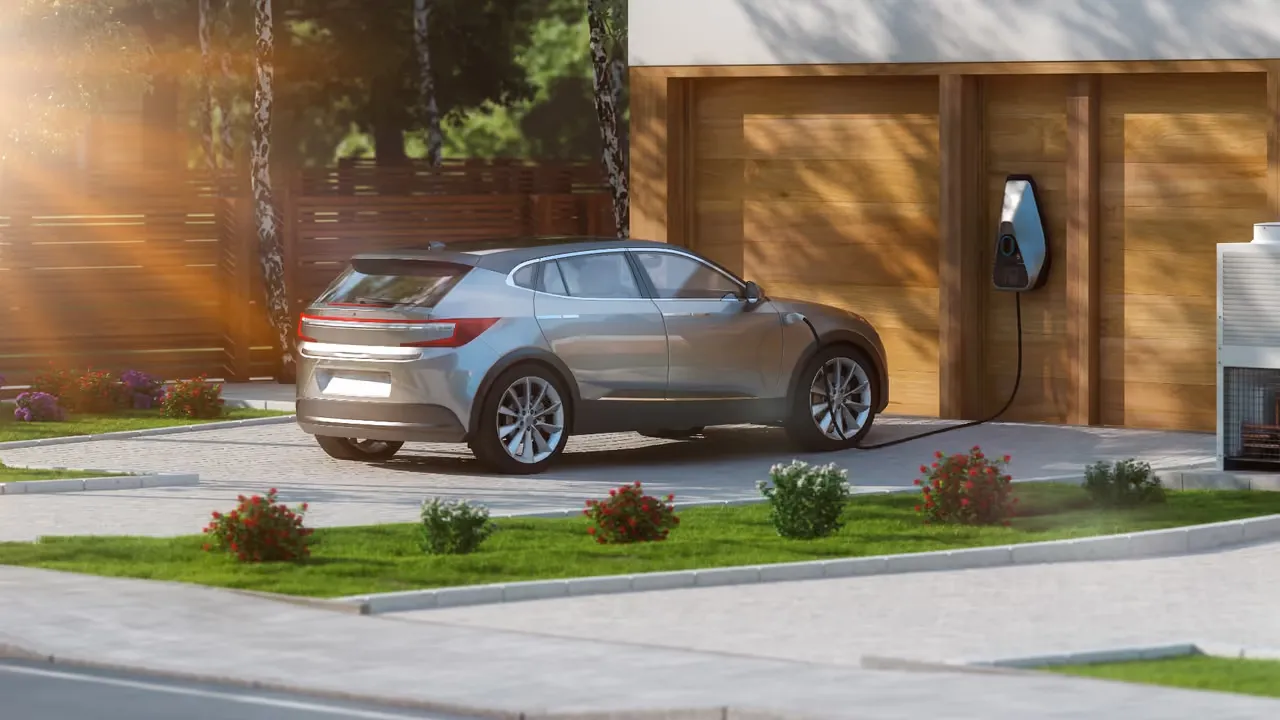
Imagine a coastal town hit by a hurricane so fierce it tears down power lines, leaving thousands without electricity for days. Phones die, refrigerators stop cooling, and hospitals scramble for backup generators. In this chaos, an unexpected hero emerges—not a traditional generator, but a fleet of electric vehicles (EVs) quietly parked in driveways and garages, ready to provide critical power when the grid fails.
The Growing Risk of Natural Disasters and Electrical Grid Failures
Across the globe, natural disasters are becoming more frequent and severe. Wildfires rage uncontrollably, hurricanes intensify, and floods submerge entire neighborhoods. These events don’t just displace people; they often cripple electrical infrastructure, causing widespread blackouts that can last days or even weeks. In many disaster-prone regions, the electrical grid is a fragile web vulnerable to wind, water, and fire damage.
Beyond the inconvenience of a blackout, loss of power can be life-threatening. Medical equipment dependent on electricity, communication devices, water pumps, and heating or cooling systems all cease to function. Communities need reliable, flexible power solutions that can quickly adapt to the unpredictable nature of disasters.
Why EVs Are Uniquely Suited as Mobile Power Hubs During Emergencies
Electric vehicles are often seen as clean transportation tools, but their value in emergencies goes far beyond driving. Most EVs come equipped with high-capacity batteries designed to propel the vehicle hundreds of miles on a single charge. These batteries are essentially portable energy storage systems on wheels.
Unlike traditional gasoline cars, EVs can be connected to homes or devices to provide power when the grid is down. This capability, known as vehicle-to-home (V2H) or vehicle-to-grid (V2G) technology, allows the battery to discharge energy back into a house or even the local grid, turning the EV into a mobile generator.
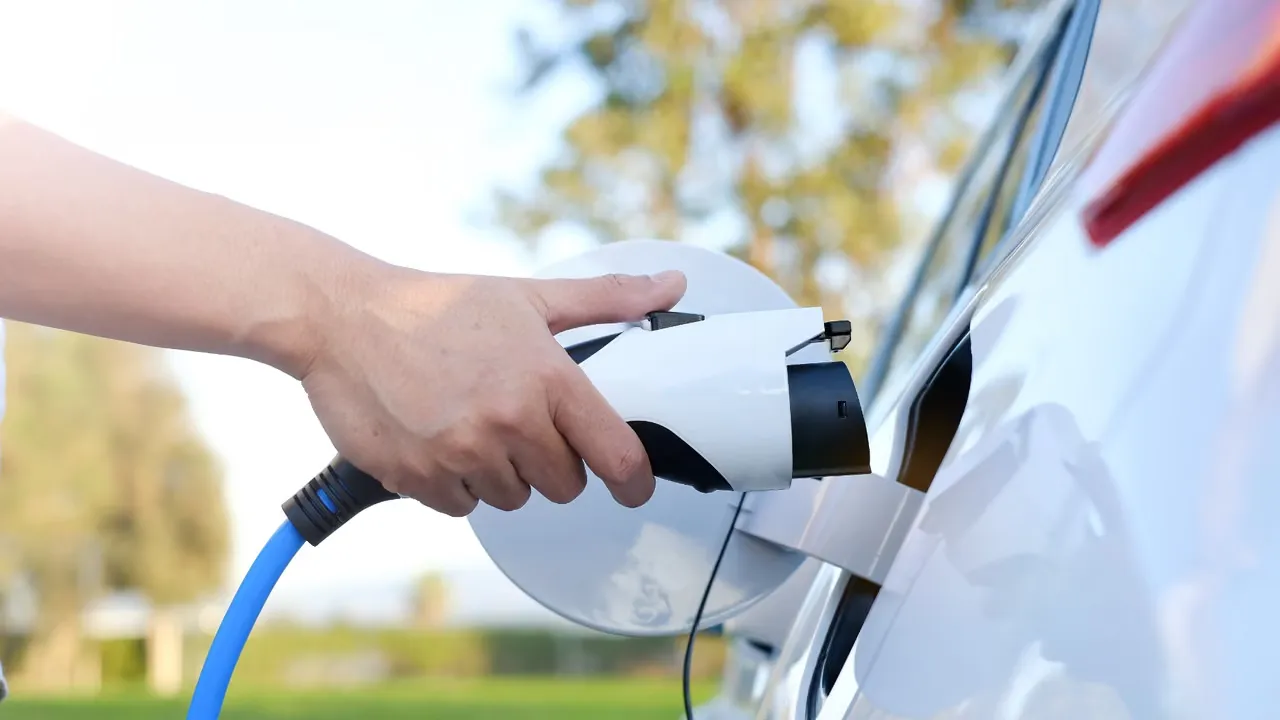
Since many EVs use standardized charging ports, they can connect to various adapters and inverters that facilitate power flow outside the car. This means in an emergency, an EV owner can run essential appliances like refrigerators, lights, or medical devices for hours or even days, depending on the battery size and consumption.
Key advantages of EVs as emergency power sources:
- Portability: Unlike fixed generators, EVs can be driven to areas in need, providing power where stationary generators can’t reach.
- Clean energy: EVs produce no emissions when discharging stored electricity, making them safer and more environmentally friendly than gas-powered generators.
- Multi-purpose utility: Even after a disaster, these vehicles remain functional transportation, not just backup power sources.
Practical Ways Communities Can Integrate EVs Into Disaster Response Plans
To unlock the full potential of EVs in emergencies, communities must move beyond individual owners and think strategically. Here are some practical steps local governments, emergency planners, and community organizations can take:
- Establish EV charging hubs with V2H capabilities: Public buildings like schools, libraries, and community centers can be outfitted with bidirectional chargers. During a disaster, these hubs serve as centralized power points where EVs can plug in and supply electricity to critical facilities.
- Create a registry of EV owners willing to share power: Municipalities can maintain a database of EV owners interested in lending their vehicles as emergency power sources. This network can be mobilized quickly when disaster strikes.
- Train emergency response teams on EV power integration: Firefighters, utility workers, and first responders should understand how to safely connect and use EVs for energy supply during incidents.
- Incentivize bidirectional charging technology: Governments can offer grants or subsidies to encourage adoption of V2H-compatible chargers and inverters, making it easier for EV owners to participate.
- Develop portable EV-powered emergency kits: Compact inverter kits that connect to EV charging ports can be distributed to vulnerable households, enabling quick setup of essential power lines during outages.
Challenges and Solutions for Maximizing EV Utility in Crisis Situations
Despite their promise, integrating EVs as emergency power sources faces several hurdles.
Limited bidirectional charging availability
Currently, not all EVs or chargers support the flow of electricity back to homes or grids. Most vehicles can only charge, not discharge. This limits the usefulness of many EVs in emergencies.
Solution: Manufacturers and policymakers need to accelerate development and deployment of bidirectional charging standards. Meanwhile, portable inverter adapters can offer workarounds for select models.
Battery capacity constraints
While EV batteries are large, their energy will eventually run out. Using them as generators can shorten driving range, which may be a problem if evacuation is necessary.
Solution: Emergency plans should include prioritizing essential loads when tapping into EV power and ensuring backups or refueling options. Some communities may consider EV fleets dedicated to disaster response with reserved battery capacity.
Technical knowledge and safety concerns
Connecting an EV safely to a home’s electrical system requires expertise. Incorrect setups can cause damage or pose electrical hazards.
Solution: Public education campaigns and training for emergency personnel are critical. Certified installers and emergency electricians should be on call during disasters to assist with EV power deployment.
Charging infrastructure vulnerability
If the grid is down, recharging EVs can be difficult unless alternative energy sources like solar panels or generators are available.
Solution: Communities should invest in resilient charging stations powered by renewable energy or backup generators, ensuring EVs can recharge even during prolonged outages.
Electric vehicles are much more than environmentally friendly transportation—they are untapped assets for disaster resilience. By recognizing their potential as mobile power hubs and addressing technical and logistical challenges, communities can turn EVs into lifelines when the lights go out and traditional power sources fail.