
Can Wireless Charging Fix Urban Parking
Walk through any busy city center, and the struggle to find a parking spot is all too familiar. Now add the growing number of electric vehicles (EVs) into the mix, and the challenge becomes more complex. Urban parking infrastructure, long designed with gasoline cars in mind, is being pushed to adapt rapidly. EVs demand not just space but power, connectivity, and convenience—features that traditional parking lots never had to consider.
Current challenges in urban parking for EVs
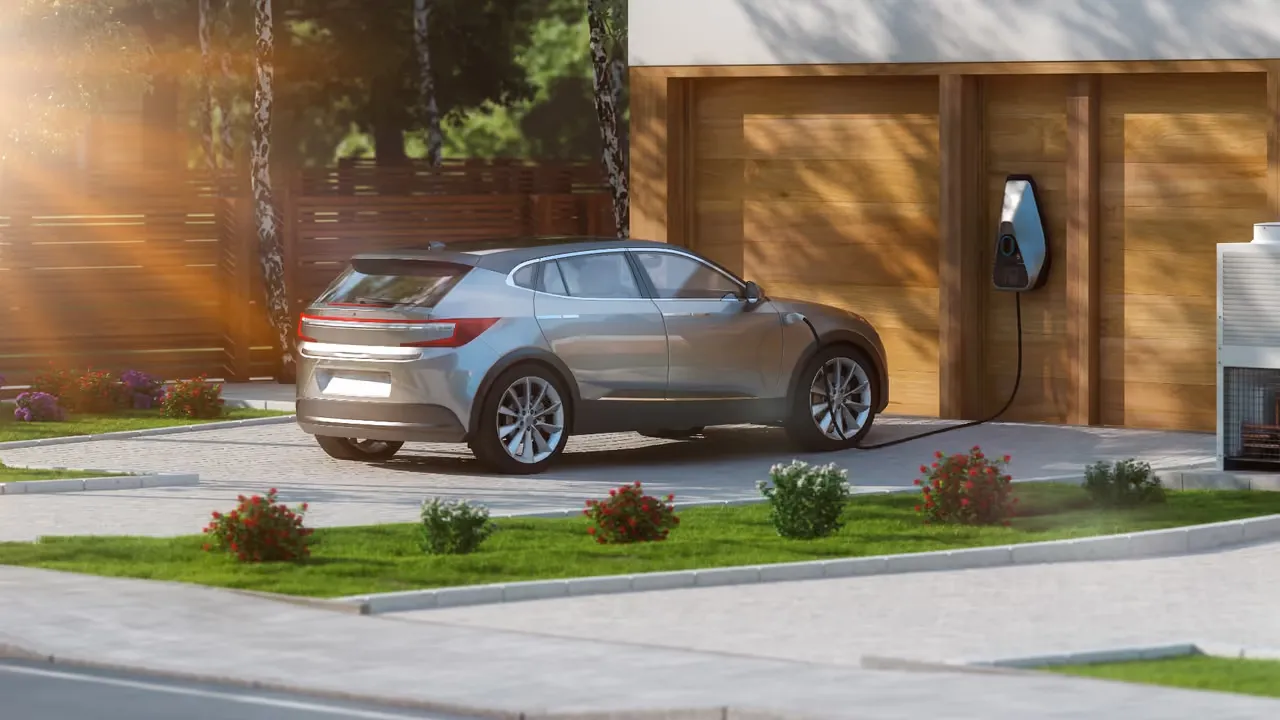
The rise of EVs exposes glaring shortcomings in urban parking setups. First, there’s the simple issue of charging availability. Unlike gas stations, which are standalone and widely dispersed, EV charging points must be integrated into parking spots themselves. This means cities need to retrofit existing garages and lots with electrical infrastructure—no small feat given the age and design of many urban facilities.
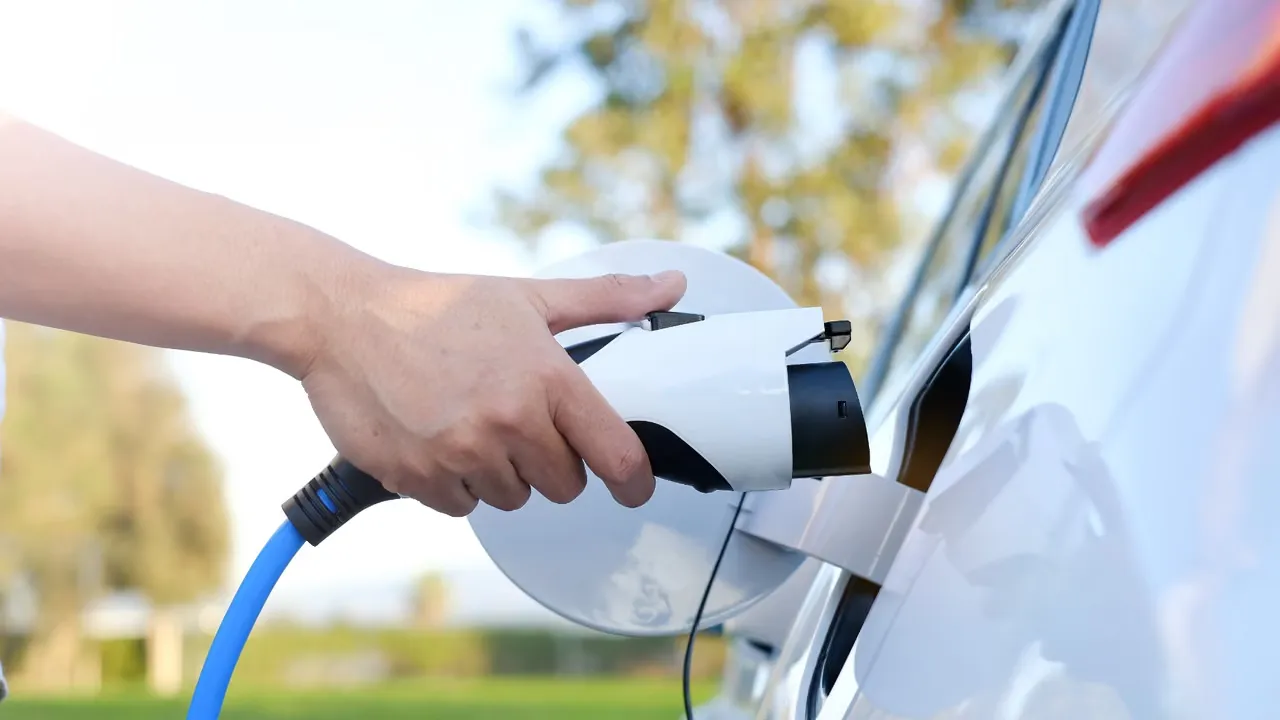
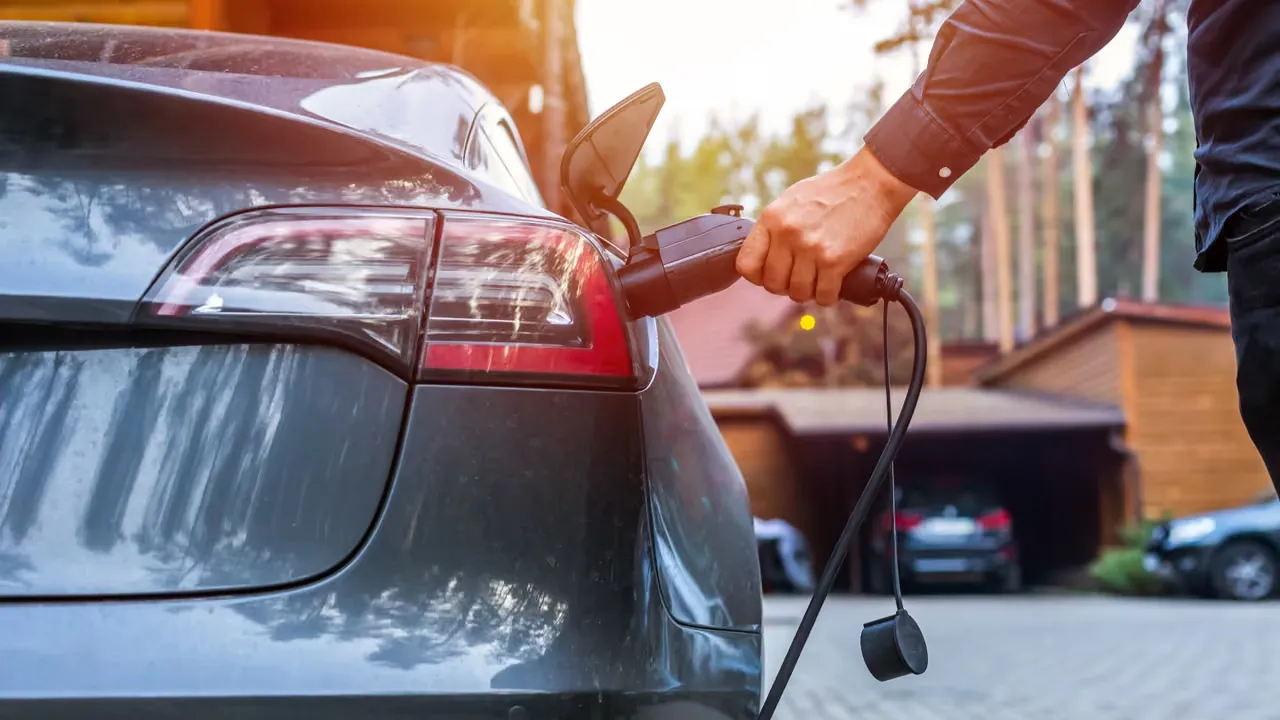
Another problem is charging time. While a gas fill-up takes minutes, charging an EV can take anywhere from 30 minutes to several hours, depending on the charger type. This creates a new dynamic where a parking spot is occupied not just by a vehicle, but by a vehicle tethered to a charger for extended periods. Traditional parking schemes don’t account for this, leading to inefficient space usage.
Furthermore, range anxiety influences driver behavior. EV owners often seek out guaranteed charging spots near their destinations. This demand can lead to conflicts over limited EV parking spaces and frustration among drivers. In many cities, the number of EV-friendly spots still lags far behind the growing EV population, resulting in a patchy and unreliable charging experience.
Innovations in EV-specific parking solutions
Urban planners and private operators are responding with innovative solutions designed specifically for EVs. One growing trend is the introduction of dedicated EV parking zones equipped with fast chargers. These zones prioritize EV users and often include perks like reserved spaces, ensuring that drivers don’t waste time searching for available chargers.
Some cities are experimenting with dynamic pricing for EV parking. By adjusting fees based on demand, they encourage shorter stays and higher turnover, making chargers accessible to more users throughout the day. This approach mimics strategies used in traditional parking management but is tailored to the unique needs of EVs.
Another breakthrough comes from integrating wireless charging pads into parking spots. Though still in early stages, this technology allows EVs to charge without plugging in, simplifying the process and reducing wear on cables and connectors. Imagine pulling into a parking space where charging starts automatically—this could become the norm in new urban developments.
Multi-use parking spaces are also gaining traction. These spots might serve as regular parking during off-peak hours and switch to EV charging during peak times, maximizing utility without requiring additional land.
The role of smart technologies in managing EV parking
Smart technology is the backbone of effective EV parking management. Apps and real-time data systems now guide drivers directly to available charging spots, eliminating the guesswork and reducing traffic caused by circling for parking. These platforms often integrate with payment systems, allowing seamless reservations and contactless payments.
Advanced sensor networks embedded in parking lots monitor spot occupancy and charger status, feeding data into city management systems. This data enables operators to optimize charger deployment, perform predictive maintenance, and even forecast demand trends. For EV drivers, this means fewer dead chargers and less wasted time.
Artificial intelligence and machine learning algorithms are beginning to analyze usage patterns, enabling dynamic allocation of parking resources. For example, during large events or peak commute times, smart systems can prioritize charging availability for high-demand users or emergency services, ensuring critical mobility needs are met.
Impact on city planning and future urban mobility
The evolving requirements of EVs are reshaping how cities think about parking—not just as a simple space allocation problem but as an integral part of urban mobility ecosystems. New developments increasingly incorporate EV charging infrastructure from the ground up, while older areas face the challenge of retrofitting without disrupting existing urban life.
City planners are also recognizing that parking spaces serve multiple roles beyond vehicle storage. They are becoming hubs for energy distribution, data collection, and even community interaction. Integrating solar panels on parking structures, for example, can supply clean energy for chargers and nearby buildings, reducing the carbon footprint of urban mobility.
Moreover, the push for EV-friendly parking dovetails with broader shifts toward shared mobility and micro-mobility solutions. As autonomous EV fleets and electric bikes proliferate, parking spaces will need to accommodate diverse vehicle types and usage patterns. This might mean more flexible, modular parking designs that can evolve with technological advances.
In many ways, the transformation of urban parking is a litmus test for the success of electric mobility. Cities that embrace these changes not only support EV adoption but also lay the groundwork for smarter, cleaner, and more efficient urban transportation networks. The parking lot, once a mundane element of city infrastructure, is fast becoming a critical node in the electric future.