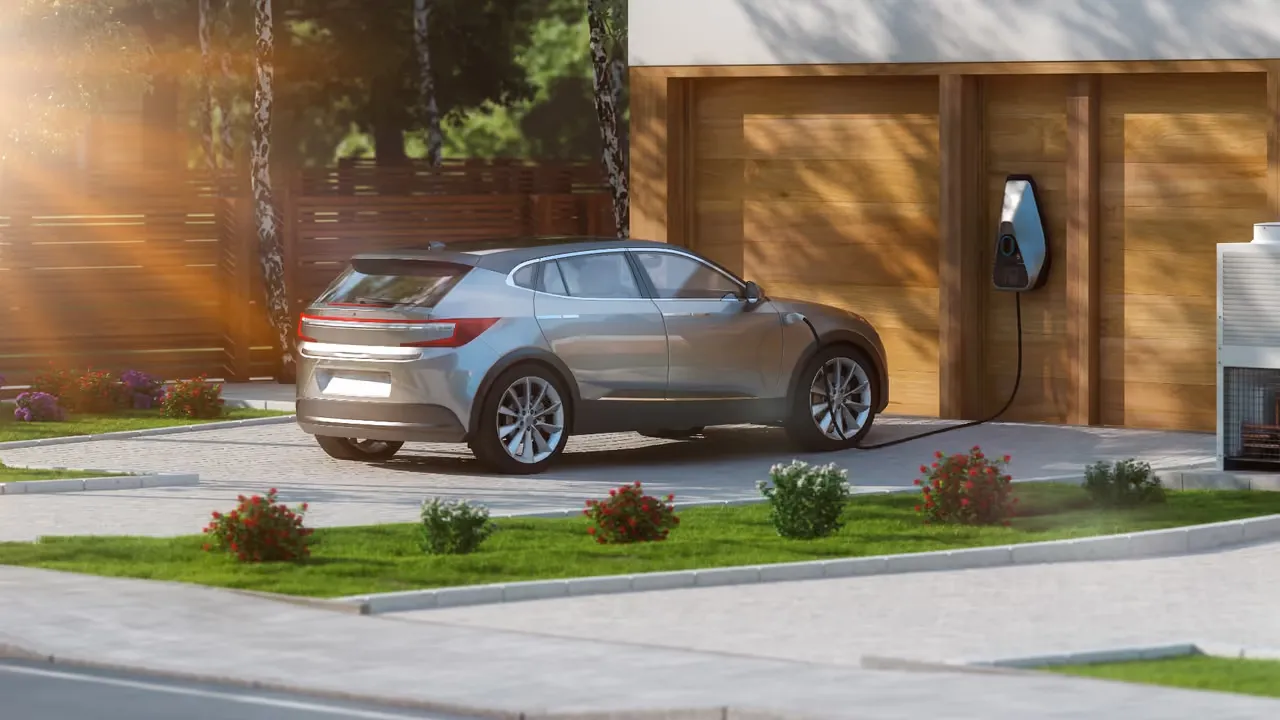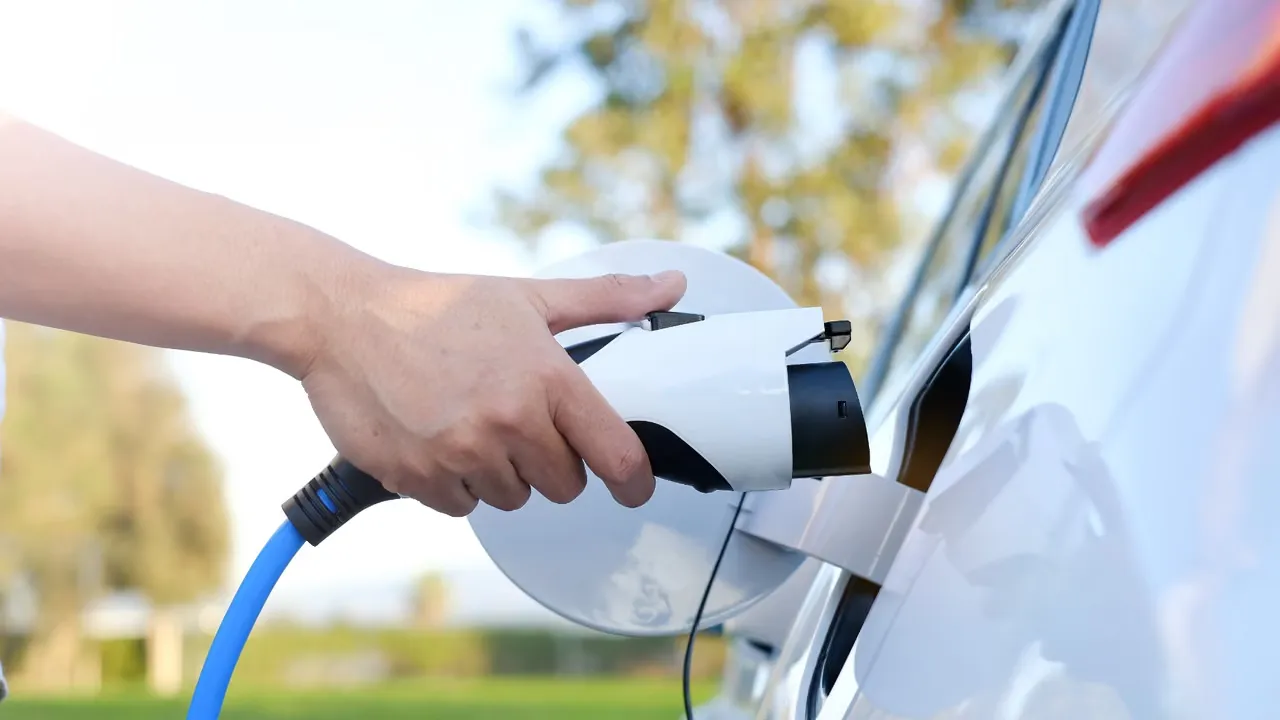


Charging Networks Enhance Disaster Resilience
What if your electric vehicle could do more than just get you from point A to point B during a disaster? As extreme weather events and power outages become increasingly common, the role of EVs in disaster preparedness is evolving. Beyond serving as a backup power source for your home, electric vehicles are emerging as critical assets for community resilience and emergency response. Here’s how EVs can transform disaster readiness on a practical level.
EVs as Mobile Emergency Power Sources Beyond the Home
Many EV owners know their vehicle’s battery can power household essentials during an outage, but the potential goes far beyond running a few appliances. Modern EVs often come equipped with bi-directional charging capabilities, allowing the vehicle to send electricity back to homes or even other devices. This means your EV can become a mobile generator, not just a stationary backup.
Imagine a neighborhood hit by a hurricane with widespread power loss. EVs scattered across the area can serve as mobile power hubs, charging medical devices, communication tools, or refrigeration units for medications and food, especially where the grid is down for days. This mobility is key — unlike traditional generators tied to a single location, EVs can move where power is needed most.
Examples in Action
- Mobile Charging Stations: Some communities are experimenting with EVs as roaming charging points for devices like phones and radios.
- Medical Device Support: For individuals relying on electrically powered medical equipment, an EV can provide crucial power during blackouts.
- Community Refrigeration: EVs can power refrigeration units to keep vaccines or perishable food safe when the grid fails.
Community-Based EV Charging Networks for Disaster Readiness
One EV alone can help, but a network of EVs coordinated at the community level can multiply resilience. Community-based charging networks—where EV owners and local authorities collaborate—can create a distributed emergency power grid that’s less vulnerable to single points of failure.
These networks rely on:
- Shared Infrastructure — Public charging stations equipped with backup power, solar panels, or battery storage can keep EVs charged even during outages.
- Communication Platforms — Apps or local alert systems that notify EV owners when their vehicle’s power is needed to support community efforts.
- Local Coordination — Neighborhood groups or municipalities can organize volunteers to deploy EVs to critical sites like shelters, clinics, or emergency command centers.
By pooling resources, communities reduce reliance on centralized power plants and gas generators, which are often the first to fail during severe events. This decentralized approach also speeds recovery by providing multiple nodes of power distribution.
Integrating EVs into Emergency Response Plans
Emergency response agencies have traditionally focused on fuel-powered vehicles and generators. But as EV adoption grows, plans must adapt to include electric vehicles and their unique capabilities. This integration involves:
- Training First Responders — Familiarizing emergency personnel with EV operations, charging needs, and safety protocols.
- Fleet Electrification — Incorporating EVs into municipal vehicle fleets to leverage their power capabilities during disasters.
- Coordination with Utilities — Collaborating with power companies to manage grid load and prioritize charging for critical EVs during emergencies.
- Emergency EV Deployment — Pre-planning routes and roles for EVs to deliver supplies, transport patients, or serve as mobile command centers.
Some cities are already piloting programs where EVs support evacuation logistics or provide on-site power for emergency medical tents. These initiatives demonstrate how EVs can be more than personal transport—they become active tools in disaster management.
Practical Steps for EV Owners to Boost Disaster Preparedness
If you own an EV, you’re ahead of the curve in disaster readiness. To maximize your vehicle’s potential in emergencies, consider these practical steps:
- Invest in Bi-Directional Charging Equipment — Check if your EV supports vehicle-to-home (V2H) or vehicle-to-grid (V2G) capabilities and install compatible chargers.
- Maintain a Full Charge — Keep your EV’s battery topped off during storm seasons or when disasters are forecasted, so it’s ready to provide power or transportation.
- Coordinate with Neighbors — Share your EV’s capabilities with your community and discuss how it might support local emergency needs.
- Keep Essential Power Adapters Handy — Have the necessary cables and inverters to connect your EV to home appliances or other devices quickly.
- Create a Disaster Kit for Your EV — Stock your vehicle with water, first aid supplies, flashlights, and communication devices to support you and others if stranded or called to assist.
- Stay Informed and Connected — Join local emergency alert systems and EV owner groups focused on disaster preparedness.
By taking these steps, EV owners can become vital contributors to community resilience, not just isolated beneficiaries of backup power.