

Do Electric Cars Hold Their Value
Have you ever stopped to think about how switching to an electric car could change your personal finances in ways beyond just saving on gas?
Electric Cars and the Total Cost of Ownership
When most people consider electric vehicles (EVs), the immediate thought is about spending less on fuel. While it’s true that electricity is cheaper than gasoline, the financial impact of owning an EV runs much deeper. Total cost of ownership (TCO) includes purchase price, maintenance, insurance, depreciation, and charging costs. Here’s how EVs reshape each piece.
First, the sticker price of electric cars tends to be higher than comparable gas-powered models. However, this gap has been shrinking as battery technology improves and production scales up. Beyond purchase, maintenance costs tend to be lower. Fewer moving parts mean fewer repairs. No oil changes, fewer brake replacements thanks to regenerative braking, and generally simpler drivetrains reduce upkeep bills significantly.
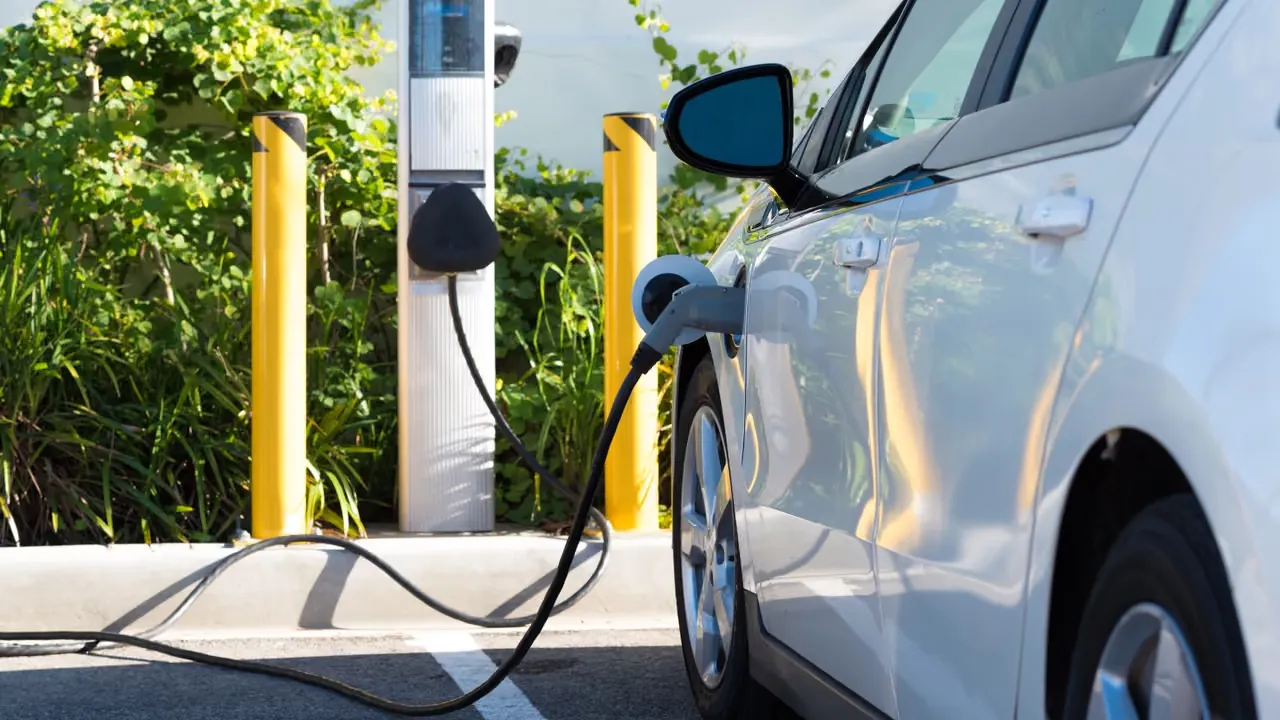
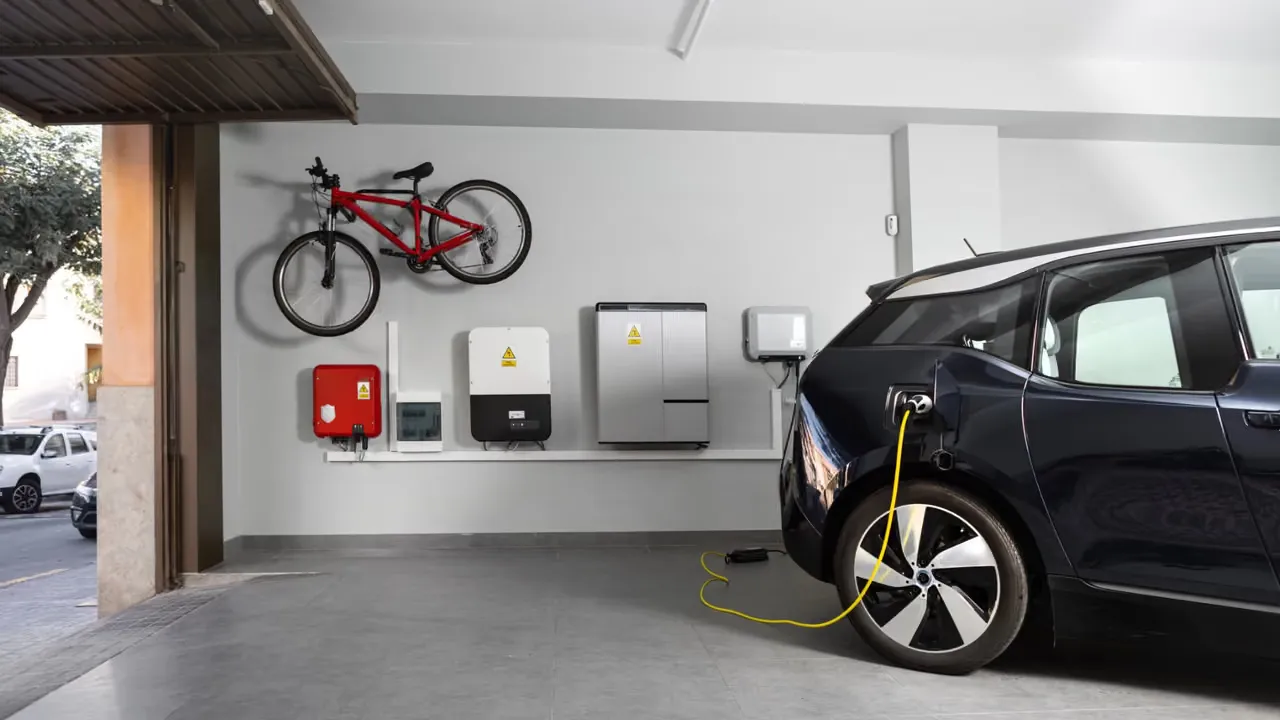
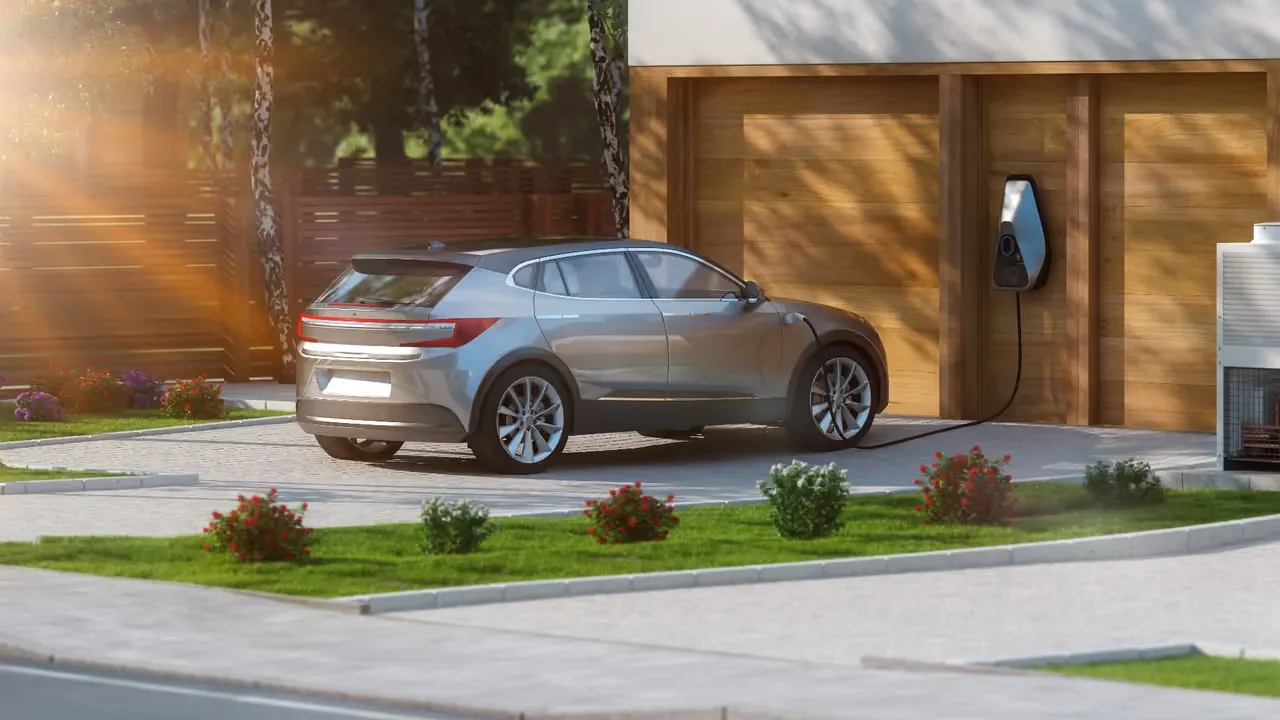
Charging costs vary depending on where you live and your driving habits, but many EV owners find their monthly “fuel” bills to be a fraction of what they paid at the pump. Home charging at night during off-peak hours can further reduce costs, and some workplaces offer free or discounted charging, adding up to tangible savings over time.
Insurance Considerations Unique to Electric Vehicles
Insurance is often an overlooked factor when calculating vehicle expenses, but it plays a crucial role in the overall financial picture. Electric vehicles sometimes come with higher insurance premiums. Why? Two main reasons:
- Repair Costs: EVs feature specialized parts, like batteries and electric drivetrains, which can be expensive to fix or replace. Body repairs can also be pricier due to different materials and construction methods.
- Repair Network: Not all repair shops have the expertise or certification to handle EV repairs, which can limit options and increase costs.
That said, some insurers are starting to offer discounts tailored to EV owners, recognizing their lower risk of accidents and theft in certain cases. Shopping around and asking specifically about EV discounts can lead to better rates. Additionally, certain EVs come equipped with advanced safety features that may lower insurance premiums.
Resale Value Trends for Electric Versus Traditional Cars
Resale value is a critical financial factor that few buyers consider deeply upfront. Electric vehicles have historically depreciated faster than gasoline cars, driven largely by concerns about battery life and rapid improvements in EV technology making older models feel outdated.
However, this trend is shifting. As battery warranties lengthen (often up to 8 years or 100,000 miles) and second-hand markets mature, EV resale values are stabilizing. In some cases, popular models from leading manufacturers hold their value remarkably well. Factors influencing resale value include:
- Battery Health: Buyers want assurance that the battery will last, so documented battery condition improves resale prices.
- Brand and Model Popularity: Well-known EVs with proven performance tend to retain value better.
- Charging Infrastructure: Regions with robust public charging stations see stronger resale demand.
For traditional cars, fuel efficiency and model reputation still dominate depreciation trends, but rising fuel prices and emissions regulations are nudging more buyers toward EVs, indirectly bolstering their resale appeal.
Incentives Tax Credits and Their Long-Term Financial Benefits
One of the biggest financial advantages of EVs comes from government incentives. These vary widely by country, state, or region but commonly include:
- Tax Credits: Direct reductions in your tax bill when you purchase an electric vehicle.
- Rebates: Upfront cash incentives that lower the purchase price.
- Reduced Registration Fees: Some jurisdictions waive or reduce vehicle registration fees for EVs.
- Access Perks: Benefits like carpool lane access and discounted tolls.
These incentives can shave thousands off the effective cost of owning an EV. But the benefits don’t stop there. Tax credits and rebates improve your return on investment by lowering your initial outlay, and perks like toll reductions save money every time you drive.
Long-term, as more governments push for cleaner transportation, these incentives are expected to evolve but remain a key factor in personal finance decisions related to EVs. Staying informed about local programs can unlock significant savings and financial benefits.