

Do EVs Affect Your Work and Leisure Time
Electric vehicles (EVs) have become more than just a mode of transportation; they've quietly reshaped how people organize their days, manage their homes, and even think about time. Owning an EV nudges you to rethink routines that once seemed fixed, from when you plug in your car to how you plan errands and personal time.
Integrating EV Charging into Daily Home Energy Consumption
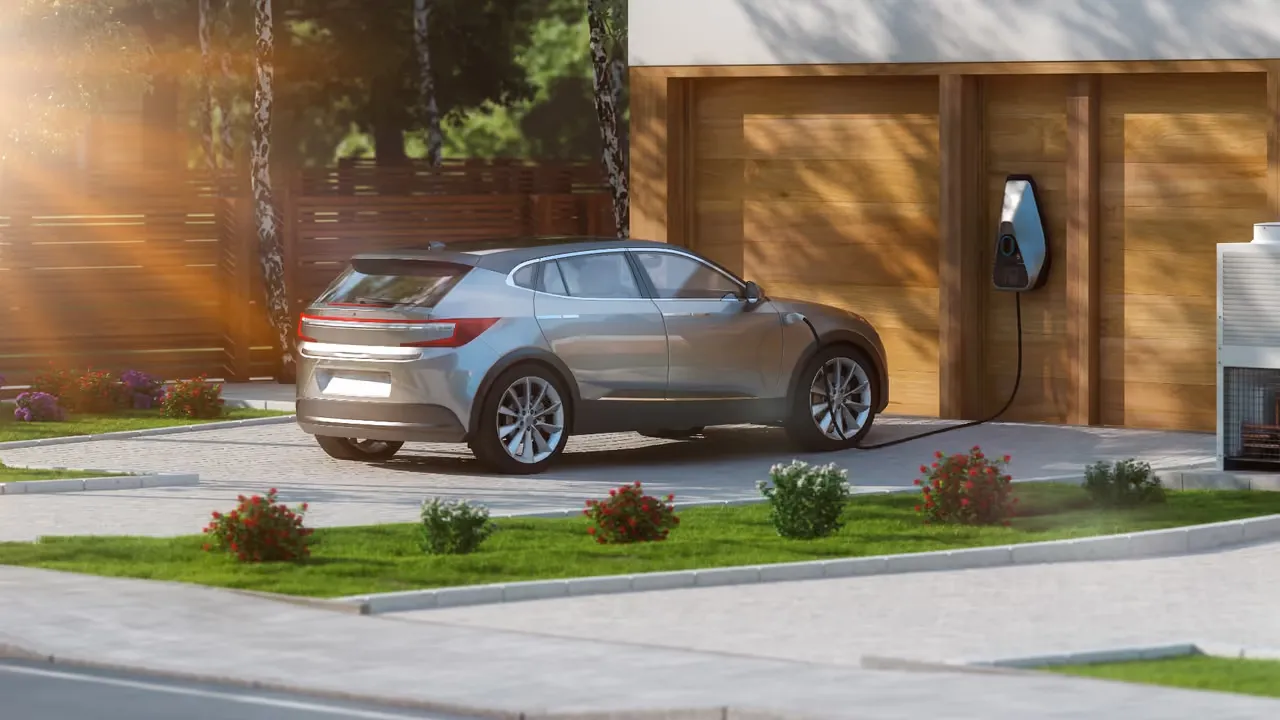
Charging an EV at home is no longer a simple “plug and charge” experience for many. It’s now an integral part of household energy management. For those with smart meters or time-of-use electricity plans, charging during off-peak hours can lead to noticeable savings. This means many EV owners schedule their charging overnight or late evening when electricity is cheaper and the grid is less stressed.
But it’s not just about cost. The presence of an EV charger affects how energy is consumed throughout the day. Some households install solar panels to offset the increased electricity demand, making the car’s energy use part of a broader eco-friendly lifestyle. This changes the relationship between the house and the car, as the energy that powers your daily commute might literally come from your rooftop.
For households without advanced energy systems, charging can still influence daily habits. Plugging in the car might mean shifting when other high-energy appliances run — laundry machines or heaters — to avoid overwhelming the home’s electrical system. It’s a subtle but real shift in how energy is rationed and prioritized.
The Impact of EV Ownership on Grocery and Errand Planning
Once your car needs regular charging, the way you approach errands changes. No longer a purely spontaneous activity, grocery runs and trips are often planned around charging opportunities. Some owners combine errands with charging stops, especially when using public or workplace chargers.
For example, if a quick grocery store is near a charging station, owners might linger longer, letting the car juice up while they shop or grab a coffee. This dual-purpose trip transforms mundane errands into intentional parts of the day’s rhythm, often extending the time spent outside the home but making better use of it.
EV owners quickly become adept at estimating how much charge is enough for their needs, which influences how far and how often they drive. This sometimes encourages buying more local, reducing the frequency of long trips, and choosing stores closer to charging points. The result is a subtle but sustained shift in shopping habits, favoring convenience and efficiency over impulse or distance.
Adjusting Work and Leisure Schedules Around EV Charging Needs
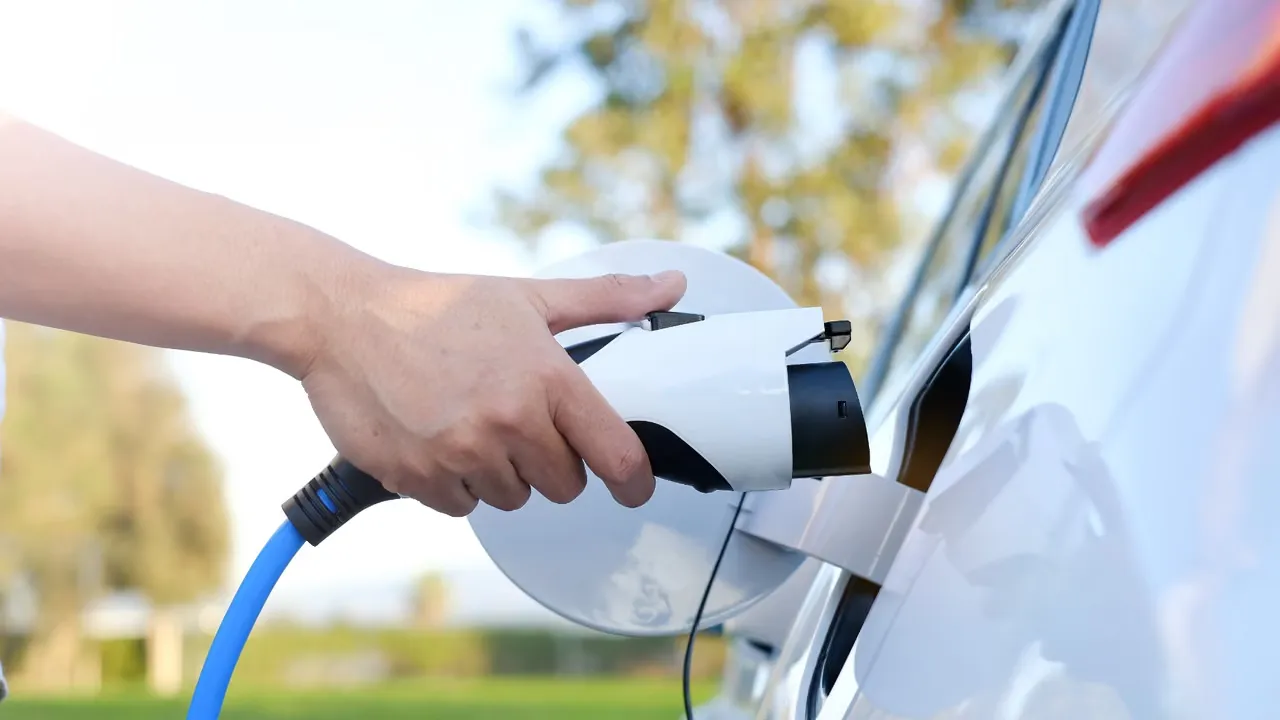
Charging times can dictate the flow of a day more than we might expect. Unlike gas stations, where refueling takes minutes, EV charging—even fast charging—can require 20 minutes to an hour or more. This longer downtime pushes people to rethink when and where they work or relax.
Some owners use charging breaks as mini work sessions, pulling out laptops in cafes or coworking spaces near chargers. Others see it as an enforced pause, a chance to stretch, read, or take a walk. This creates pockets of downtime that weren’t part of their previous routines.
For those working from home, the car’s charging schedule might influence when they leave for meetings or errands. Charging the EV during work hours can mean a later start or earlier finish to the day, depending on the car’s range and the charging speed available at work or home. Leisure activities are also adjusted; spontaneous road trips require a bit more planning, and evenings might involve a quick charge stop before heading out.
How EVs Encourage More Conscious Time and Energy Management
Ownership of an EV often instills a new mindfulness about energy use and time. It’s easy to take a gas pump for granted, fueling up in minutes without thinking much about the process. EV charging, by contrast, demands attention to when and how long you plug in. This fosters a habit of planning and optimization that spills over into other areas of life.
- Energy Awareness: Monitoring home electricity consumption becomes a routine, with many owners tracking how much energy their car uses and experimenting with ways to reduce their overall footprint.
- Time Optimization: Charging sessions become natural breaks that encourage better use of small chunks of time, whether for work, rest, or errands.
- Prioritization Skills: Deciding when and where to charge, how far to drive, and what errands to combine sharpens decision-making around daily activities.
This new rhythm can feel restrictive at first, but many EV owners find it liberating. It pushes against the culture of rushed, unfocused driving and encourages a more thoughtful approach to travel and daily living. So beyond clean emissions, EV ownership quietly rewires how we manage our time and energy, making us more deliberate in the small choices that shape our days.