
Drive Smarter to Extend EV Mileage
Ever wonder why your electric vehicle (EV) doesn’t quite reach the range the brochure promised? Many owners chase after big upgrades or expensive accessories to squeeze out extra miles, but the truth is often found in the small, daily habits and basic maintenance tasks that get overlooked. These simple adjustments can boost your EV’s efficiency without costing a dime.
Understanding the Impact of Driving Habits on EV Range
How you drive has a far greater effect on your EV's range than most people realize. Unlike gas cars, EVs respond distinctly to acceleration, speed, and braking because of the way electric motors manage energy.
- Smooth acceleration and deceleration: Rapid starts and heavy braking drain the battery faster. Try to accelerate gently and anticipate stops to use regenerative braking effectively, which recovers energy back into the battery.
- Maintain moderate speeds: High speeds exponentially increase energy consumption. Driving at 55-65 mph on highways instead of 75 mph can add noticeable miles to your range.
- Limit unnecessary weight: Extra cargo or heavy roof racks increase drag and reduce efficiency. Only carry what you need on any given trip.
- Use eco or range modes: Most EVs come with driving modes tailored for efficiency. These adjust throttle response and climate control to conserve energy.
Routine Maintenance Tasks That Enhance Battery Life
EVs require less maintenance than traditional cars, but there are still crucial upkeep steps that keep your battery healthy and your car running smoothly.
- Tire care: Underinflated tires create more rolling resistance, draining your battery faster. Check tire pressure at least once a month and keep it at the manufacturer’s recommended level.
- Brake system check: Even though regenerative braking reduces wear, periodic inspections ensure the system is functioning correctly and efficiently.
- Battery health monitoring: Use your vehicle’s diagnostic tools or apps provided by the manufacturer to track battery health and performance. Early signs of battery degradation can prompt timely service before efficiency plummets.
- Keep software updated: Many EV manufacturers release updates that improve energy management and optimize battery usage. Regularly connect your EV to Wi-Fi or your mobile app to download these improvements.
Smart Charging Practices for Optimal Performance
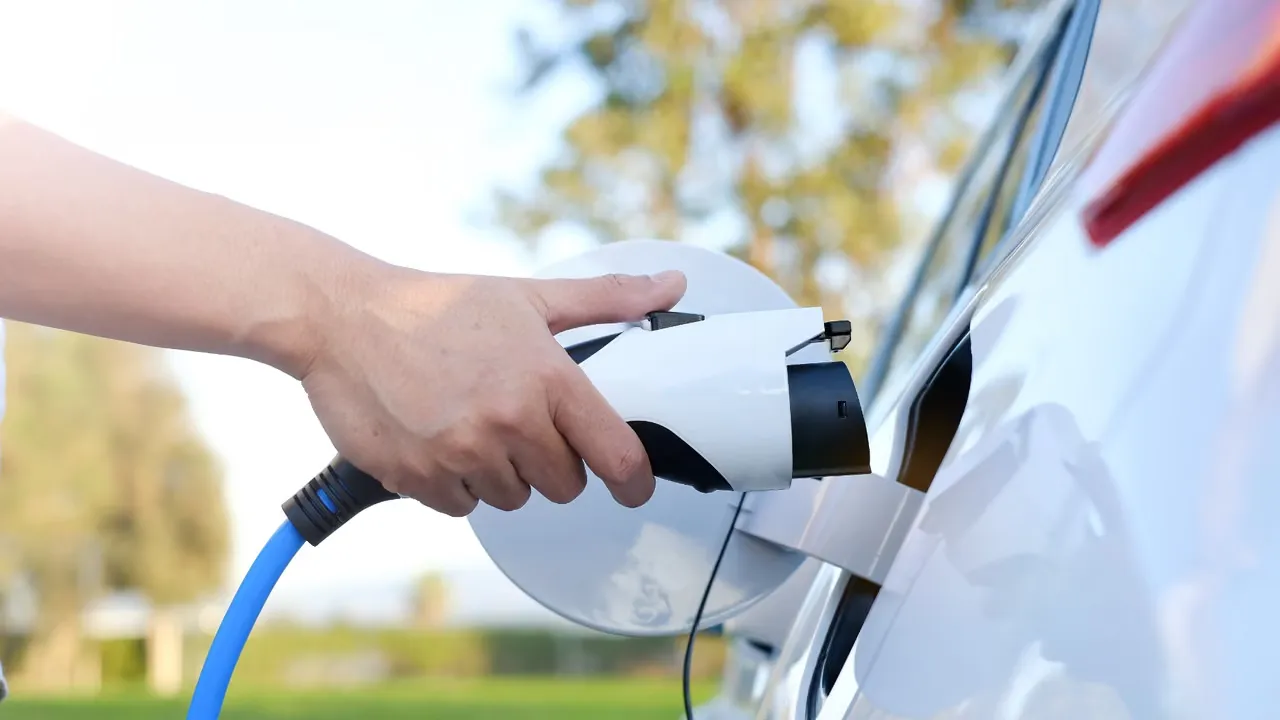
Charging is more than just plugging in. How and when you charge can dramatically affect battery longevity and your EV’s day-to-day efficiency.
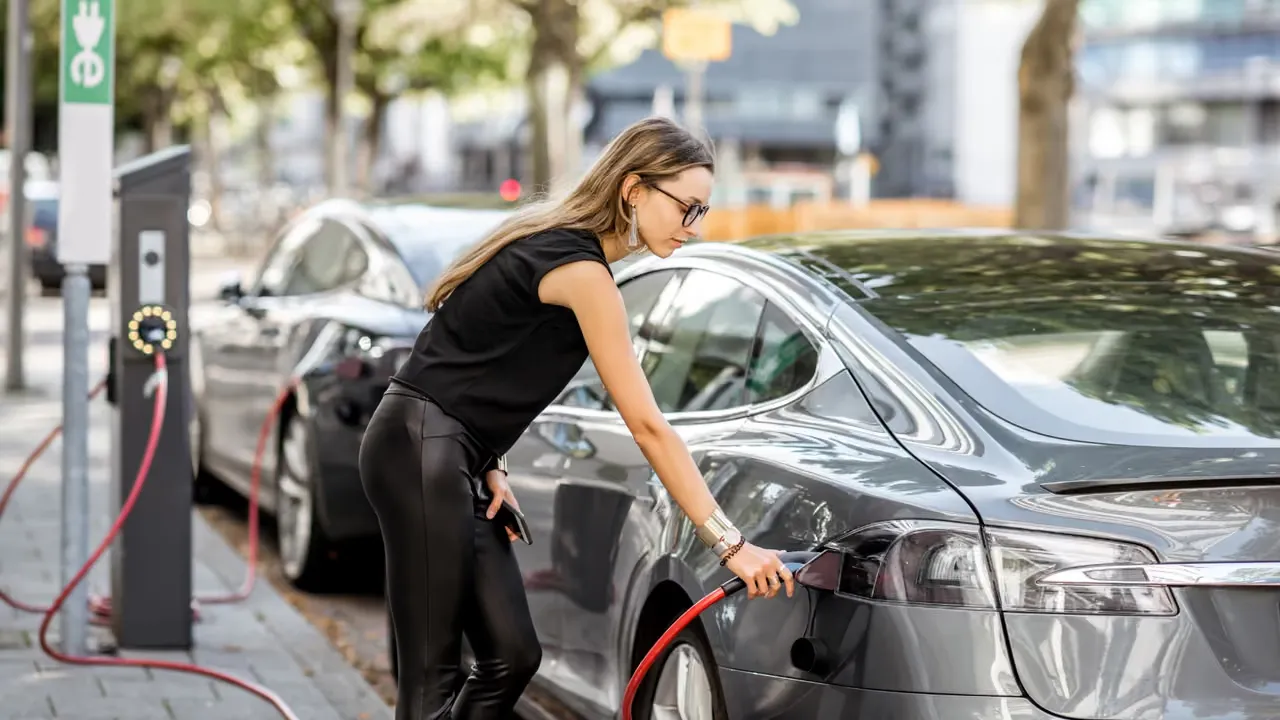
- Avoid frequent fast charging: While convenient, constant use of DC fast chargers can accelerate battery wear. Use them sparingly, primarily when on long trips.
- Keep the battery charge level balanced: Try to keep your battery charge between 20% and 80% for daily use. Constantly charging to 100% or letting it drop below 10% can strain the battery.
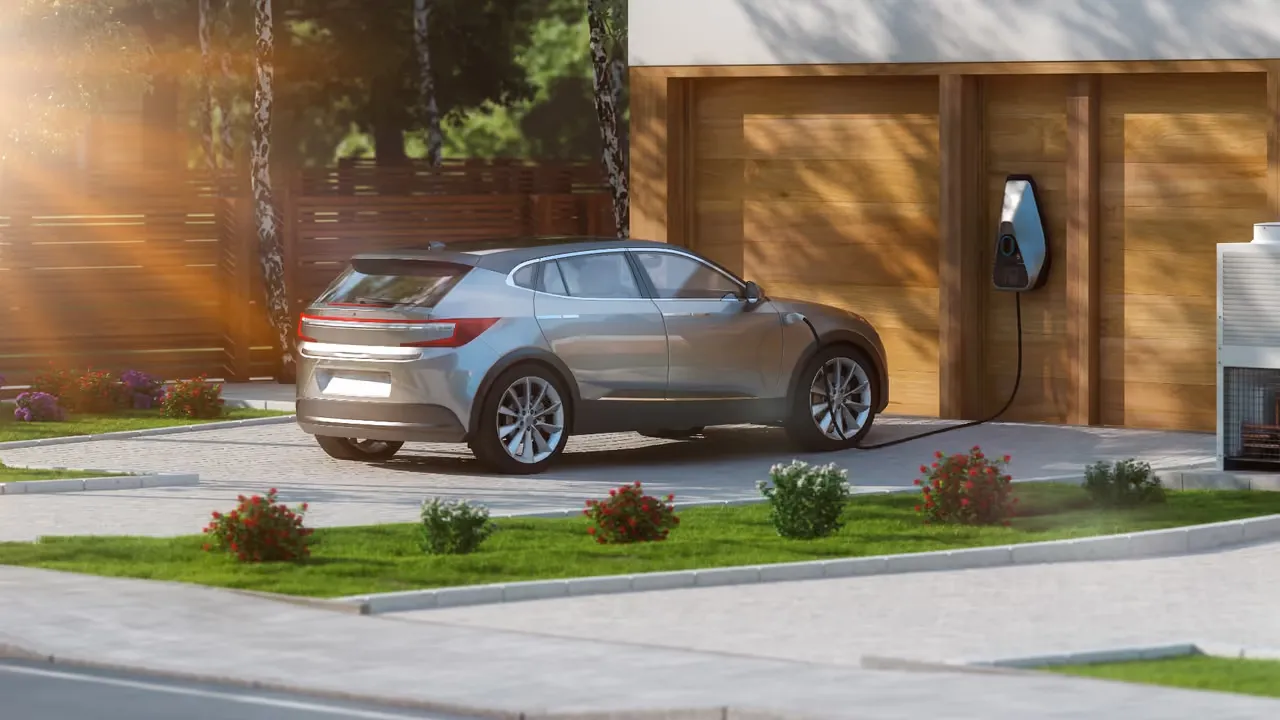
- Charge during off-peak hours: Many utility companies offer lower rates at night. Charging when demand is low can save money and reduce grid strain, indirectly supporting sustainable energy use.
- Use scheduled charging: Most EVs allow you to set charging times. Align charging with your routine and energy tariffs to maximize efficiency and cost savings.
Seasonal Adjustments to Keep Your EV Running Efficiently
Weather plays a huge role in EV efficiency, but a few seasonal tweaks can mitigate those effects.
- Winter preconditioning: Cold batteries deliver less range and take longer to charge. Use your EV’s preconditioning feature to warm the battery and cabin while still plugged in, saving range once on the road.
- Limit use of climate control: Heating and air conditioning consume significant energy. Use seat warmers and steering wheel heaters instead of the cabin heater when possible.
- Store your EV in a garage: Whenever possible, keep your vehicle in a sheltered spot to avoid extreme temperatures that tax the battery.
- Summer tire care: Hot weather can cause tires to lose pressure faster. Check them more often to maintain optimal inflation for efficiency.