
Efficient EV Charging Network Management
EV Charging Network Management: Ensuring Smooth Operations and Revenue Generation
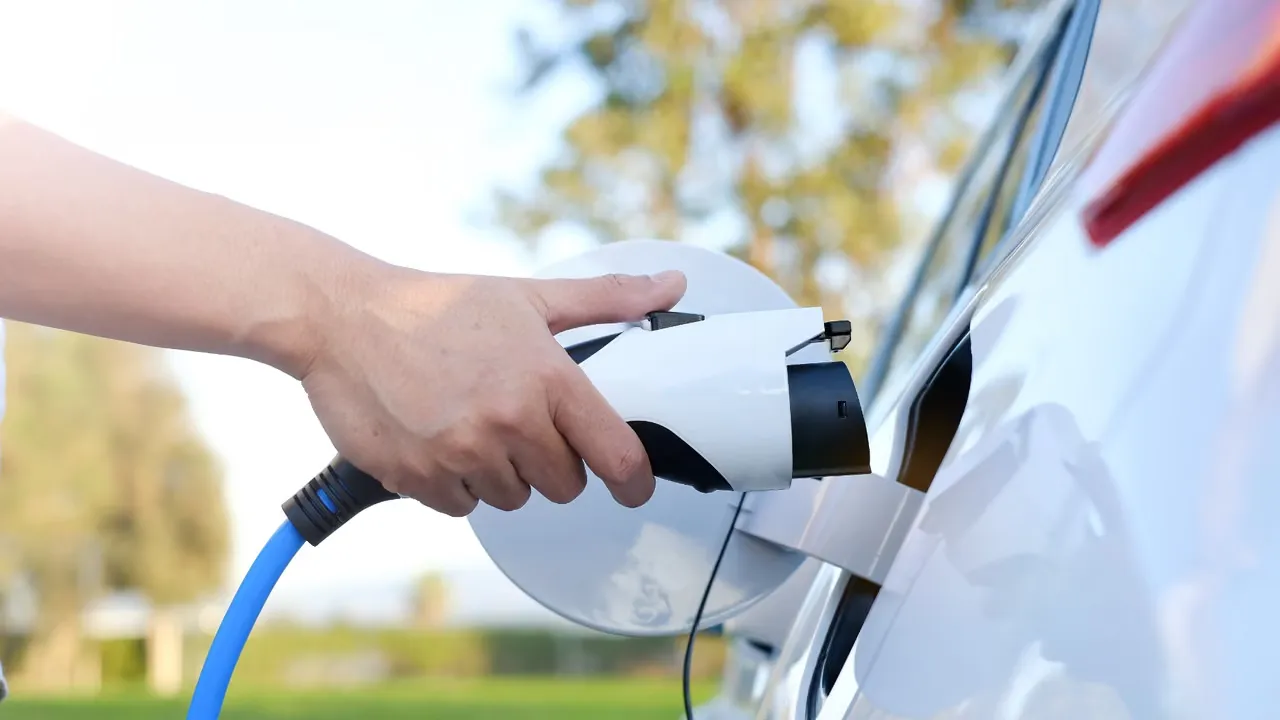
Electric vehicles (EVs) are becoming increasingly popular as people recognize the environmental and cost-saving benefits they offer. As the demand for EVs continues to rise, the need for a well-managed and efficient charging network becomes crucial. EV charging network management involves various aspects such as charging network maintenance, charging network software, and charging network revenue management.
Charging Network Maintenance
Just like any other infrastructure, EV charging stations require regular maintenance to ensure their smooth operation. Regular inspections and maintenance checks are essential to identify and address any issues promptly. This includes inspecting the charging equipment, cables, and connectors for any signs of wear and tear. It is also important to ensure that the charging stations are clean and free from any obstructions.
Additionally, charging network operators need to have a proactive approach to maintenance by monitoring the charging stations remotely. This allows them to detect any faults or malfunctions in real-time and take immediate actions to resolve them. By implementing a robust maintenance strategy, charging network operators can minimize downtime and provide a reliable charging experience to EV owners.
Charging Network Software
Efficient management of an EV charging network requires the use of advanced software solutions. Charging network software enables operators to monitor and control the charging stations remotely, collect data, and analyze usage patterns. This data-driven approach helps in optimizing the charging network’s performance and identifying areas for improvement.
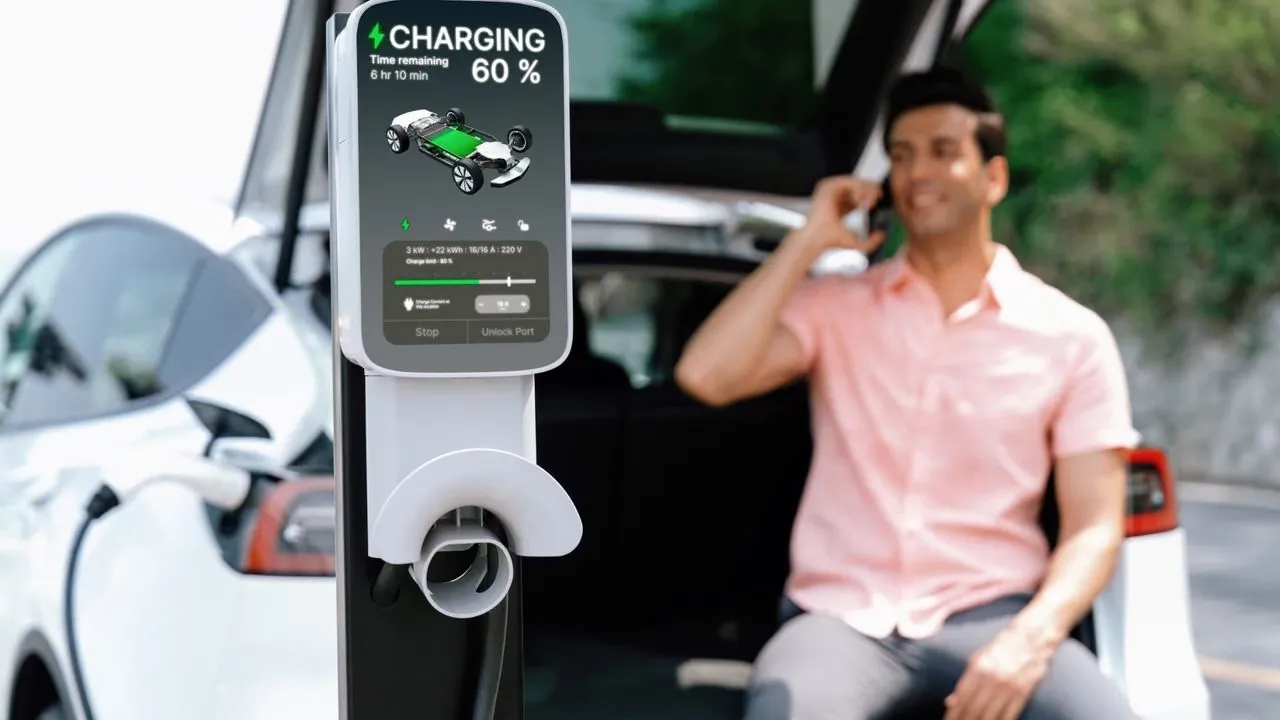
With the help of charging network software, operators can track the availability of charging stations, manage reservations, and provide real-time information to EV owners about the charging status. The software can also facilitate payment processing, allowing users to pay for their charging sessions seamlessly. By leveraging technology, charging network operators can enhance the user experience and streamline the overall management process.
Charging Network Revenue Management
Managing the revenue generated from an EV charging network is a critical aspect for operators. Charging network revenue management involves implementing effective pricing strategies, ensuring accurate billing, and optimizing revenue streams.
Operators can adopt different pricing models such as pay-per-use, subscription-based, or time-based charging to cater to the diverse needs of EV owners. By analyzing the charging data and usage patterns, operators can determine the optimal pricing structure that balances affordability for users and profitability for the network.
Accurate billing is essential to maintain transparency and trust with EV owners. Charging network operators need to implement reliable billing systems that accurately calculate the charging sessions’ duration and energy consumption. This ensures that users are billed correctly for their usage and helps in avoiding disputes.
Furthermore, charging network operators can explore additional revenue streams by partnering with businesses and organizations. For example, they can collaborate with retail stores, parking lots, or hotels to provide charging services to their customers. Such partnerships not only generate additional revenue but also expand the charging network’s reach and accessibility.
Conclusion
Effective management of an EV charging network is crucial to meet the growing demand for electric vehicles. By prioritizing charging network maintenance, leveraging advanced charging network software, and implementing revenue management strategies, operators can ensure smooth operations and maximize revenue generation. As the EV industry continues to evolve, investing in robust charging network management practices will be key to providing a seamless charging experience for EV owners.