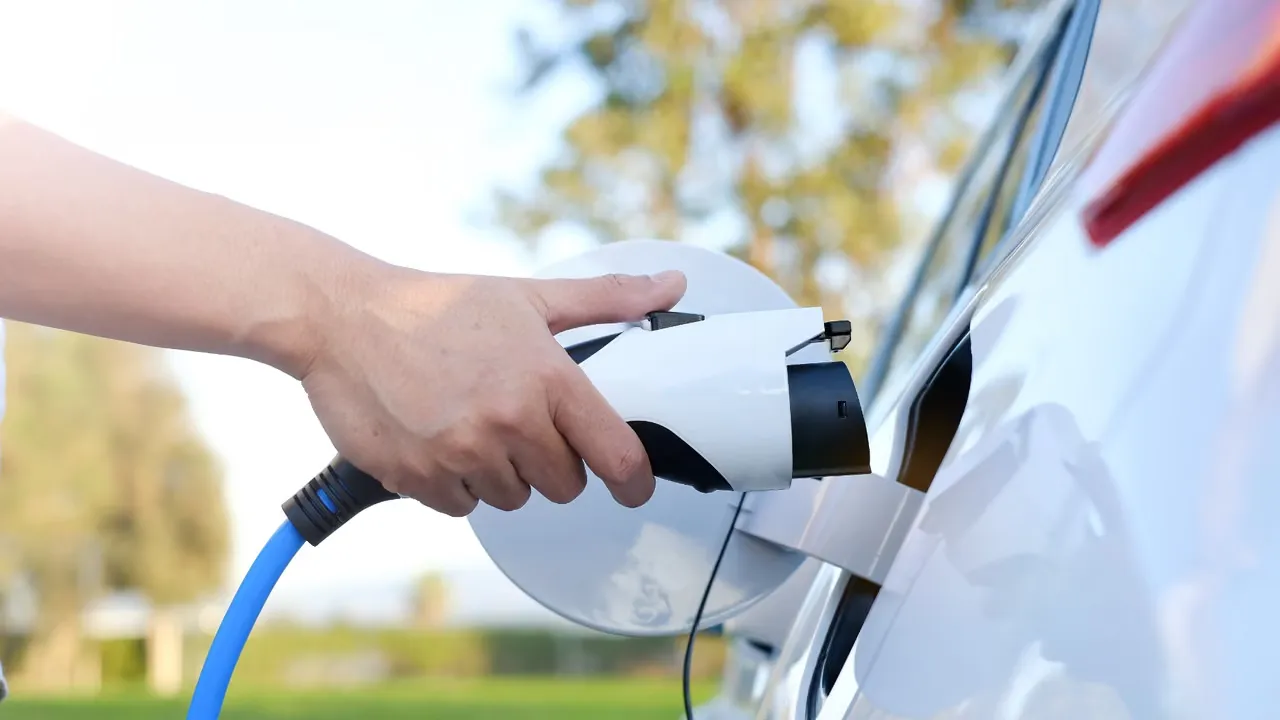


Efficient EV Charging Session Monitoring
EV Charging Session Monitoring: Optimizing Efficiency and Collecting Valuable Data
Electric vehicles (EVs) are becoming increasingly popular as a sustainable and eco-friendly mode of transportation. As the demand for EVs grows, so does the need for efficient and reliable charging infrastructure. To ensure a seamless charging experience for EV owners, monitoring and managing charging sessions is of utmost importance. In this article, we will explore the significance of EV charging session monitoring, focusing on charging session duration, end time, and data collection.
Charging Session Duration: Maximizing Efficiency
Monitoring the duration of EV charging sessions is essential for optimizing the efficiency of charging stations. By analyzing the average charging session duration, charging station operators can identify potential bottlenecks and take necessary measures to improve the overall charging process.
For instance, if the average charging session duration is found to be longer than expected, it may indicate a need for faster charging infrastructure or an increase in the number of charging stations. By addressing these issues, operators can reduce waiting times and enhance the overall user experience.
Furthermore, tracking the charging session duration allows operators to identify any anomalies or malfunctions in the charging equipment. If a particular charging session consistently takes longer than others, it may indicate a faulty charger that needs to be repaired or replaced. Timely detection and resolution of such issues ensure that EV owners can rely on the charging infrastructure without any inconvenience.
Charging Session End Time: Predictability and Convenience
Knowing the estimated end time of a charging session is crucial for both EV owners and charging station operators. For EV owners, it helps in planning their schedules effectively, ensuring that their vehicles are charged and ready when needed. On the other hand, for charging station operators, it enables better management of resources and reduces the chances of congestion or idle charging stations.
By monitoring the charging session end time, operators can provide real-time information to EV owners regarding the availability of charging stations. This information can be made accessible through mobile apps or online platforms, allowing EV owners to plan their charging sessions accordingly. Additionally, operators can implement features such as notifications or alerts to inform users when their charging session is about to end, ensuring that they promptly vacate the charging spot and make it available for others.
Charging Session Data Collection: Insights for Future Improvements
Collecting data from EV charging sessions offers valuable insights that can drive future improvements in charging infrastructure. By analyzing the data, operators can identify usage patterns, peak charging hours, and the demand for charging stations in specific locations.
These insights can help operators make informed decisions regarding the expansion of charging infrastructure, strategic placement of new charging stations, and optimization of charging rates. For example, if data analysis reveals a high demand for charging stations during certain hours of the day, operators can allocate more resources during those periods to ensure a smooth charging experience for EV owners.
Moreover, charging session data collection plays a vital role in assessing the environmental impact of EVs. By monitoring the energy consumption and carbon emissions associated with each charging session, operators can quantify the positive environmental benefits of EV adoption and promote sustainable transportation.
In Conclusion
Efficient monitoring of EV charging sessions, including tracking charging session duration, end time, and data collection, is essential for optimizing the charging infrastructure and enhancing the overall user experience. By leveraging the insights gained from these monitoring practices, operators can ensure convenient and reliable charging services while promoting the growth of sustainable transportation.