

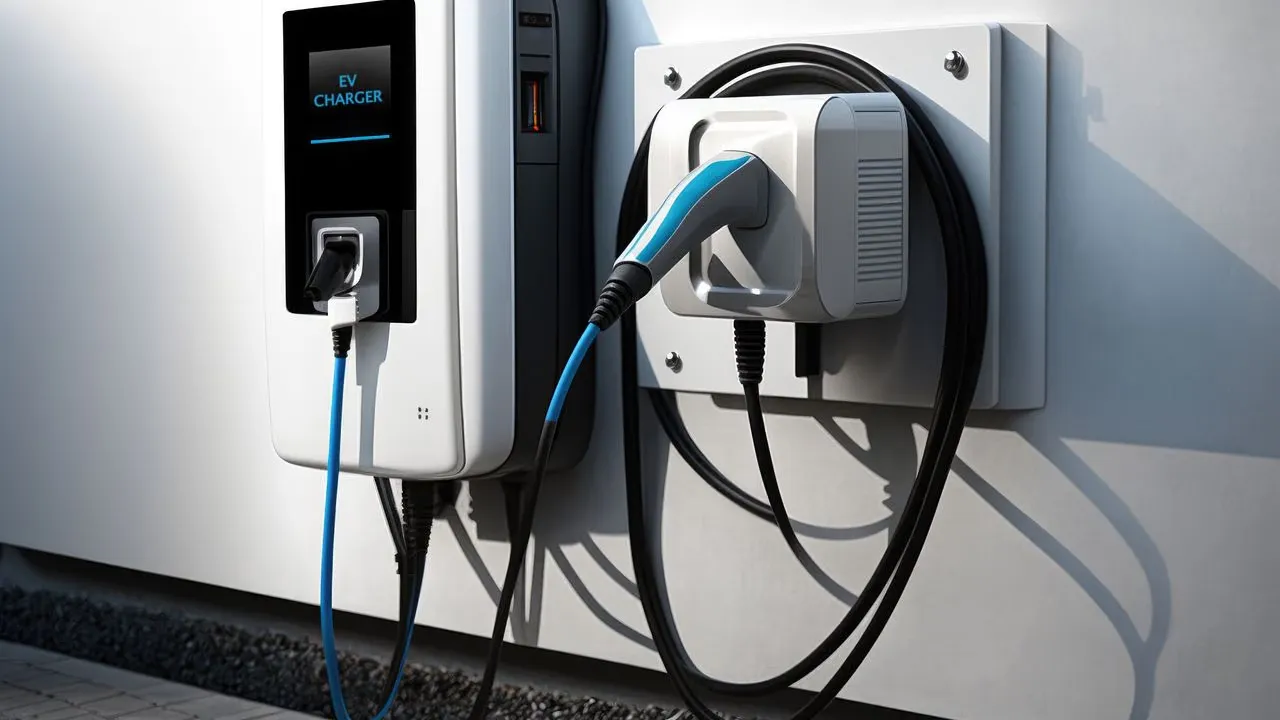
Efficient EV Charging Station Billing & Payments
EV Charging Station Billing and Payments: Ensuring Transparency and Security
As the popularity of electric vehicles (EVs) continues to rise, so does the demand for reliable and efficient EV charging stations. However, one aspect that often goes unnoticed is the billing and payment process associated with these stations. With the increasing number of EV users, it becomes crucial to have a robust system in place to handle charging station billing and payments accurately. In this article, we will explore the importance of charging station billing fraud detection, the role of charging station payment APIs, and the significance of charging station payment reconciliation.
Charging Station Billing Fraud Detection
With any payment system, there is always a risk of fraudulent activities, and EV charging stations are no exception. Charging station billing fraud can occur in various ways, such as tampering with the charging equipment, manipulating charging data, or using stolen credit card information for payment.
To combat these fraudulent activities, charging station operators need to implement robust fraud detection mechanisms. These mechanisms can include real-time monitoring of charging sessions, analyzing patterns and anomalies in charging data, and implementing secure authentication methods for payment transactions.
By investing in charging station billing fraud detection, operators can ensure that only legitimate transactions are processed, protecting both their revenues and the interests of EV users.
Charging Station Payment APIs
One of the key components in streamlining the billing and payment process for EV charging stations is the use of payment application programming interfaces (APIs). Charging station payment APIs allow seamless integration between the charging station infrastructure and the payment processing systems.
By leveraging payment APIs, charging station operators can provide users with a convenient and secure payment experience. Users can make payments using various methods, such as credit cards, mobile wallets, or pre-paid accounts, without the need for manual intervention.
Additionally, payment APIs enable operators to retrieve real-time transaction data, monitor payment statuses, and generate detailed reports. This not only simplifies the billing process but also provides valuable insights for business analysis and financial reconciliation.
Charging Station Payment Reconciliation
Accurate payment reconciliation is essential for charging station operators to ensure transparency and accountability. It involves matching the charging session data with the corresponding payment transactions to verify the accuracy of the billing process.
Payment reconciliation helps identify any discrepancies or errors in charging station billing, such as missing transactions, incorrect pricing, or failed payments. By promptly addressing these issues, operators can maintain customer trust and avoid revenue losses.
Automating the payment reconciliation process through advanced software solutions can significantly reduce manual efforts and human errors. These solutions can automatically match charging session data with payment transactions, generate reconciliation reports, and flag any inconsistencies for further investigation.
Conclusion
As the EV market continues to grow, ensuring a transparent and secure billing and payment process for charging stations is of utmost importance. Implementing charging station billing fraud detection mechanisms, leveraging payment APIs, and conducting regular payment reconciliation can help operators streamline their operations, protect their revenues, and provide a seamless experience for EV users.
By prioritizing transparency and security in the charging station billing and payment process, we can contribute to the wider adoption of electric vehicles and build a sustainable future.