

Electric Cars and Greenhouse Gas Emissions Reduction
The Role of Electric Cars in Reducing Greenhouse Gas Emissions
Electric cars have emerged as a promising solution to combat the growing concerns of emissions reduction and air pollution. With their sustainable mobility features, electric vehicles (EVs) offer a cleaner and greener alternative to traditional gasoline-powered cars. This article explores the significant role of electric cars in reducing greenhouse gas emissions and promoting sustainable mobility.
1. Emissions Reduction
One of the primary advantages of electric cars is their ability to significantly reduce greenhouse gas emissions. Unlike internal combustion engines that burn fossil fuels, electric cars are powered by electricity stored in batteries. This means they produce zero tailpipe emissions, eliminating harmful pollutants such as carbon dioxide (CO2), nitrogen oxides (NOx), and particulate matter (PM).
According to studies, the adoption of electric cars can lead to a substantial decrease in CO2 emissions, which are the main contributors to climate change. By transitioning to electric vehicles, we can mitigate the environmental impact caused by transportation and work towards achieving global emissions reduction targets.
2. Air Pollution
In addition to reducing greenhouse gas emissions, electric cars also play a crucial role in improving air quality. Traditional gasoline-powered vehicles emit pollutants that contribute to air pollution, leading to various health issues and respiratory problems. Electric cars, on the other hand, produce zero direct emissions, helping to reduce the levels of harmful pollutants in the air we breathe.
By promoting the adoption of electric cars, we can create cleaner and healthier environments in urban areas, where air pollution is often a significant concern. This shift towards sustainable mobility can have a positive impact on public health, reducing the prevalence of respiratory diseases and improving overall well-being.
3. Sustainable Mobility
Electric cars are a key component of sustainable mobility, which aims to provide efficient and environmentally friendly transportation options. The use of electric vehicles aligns with the principles of sustainability by reducing reliance on fossil fuels and promoting the use of renewable energy sources.
Moreover, electric cars can be integrated into a broader sustainable transportation system that includes public transportation, cycling infrastructure, and walking paths. This multimodal approach encourages people to choose more sustainable modes of transportation, ultimately reducing traffic congestion and improving overall urban mobility.
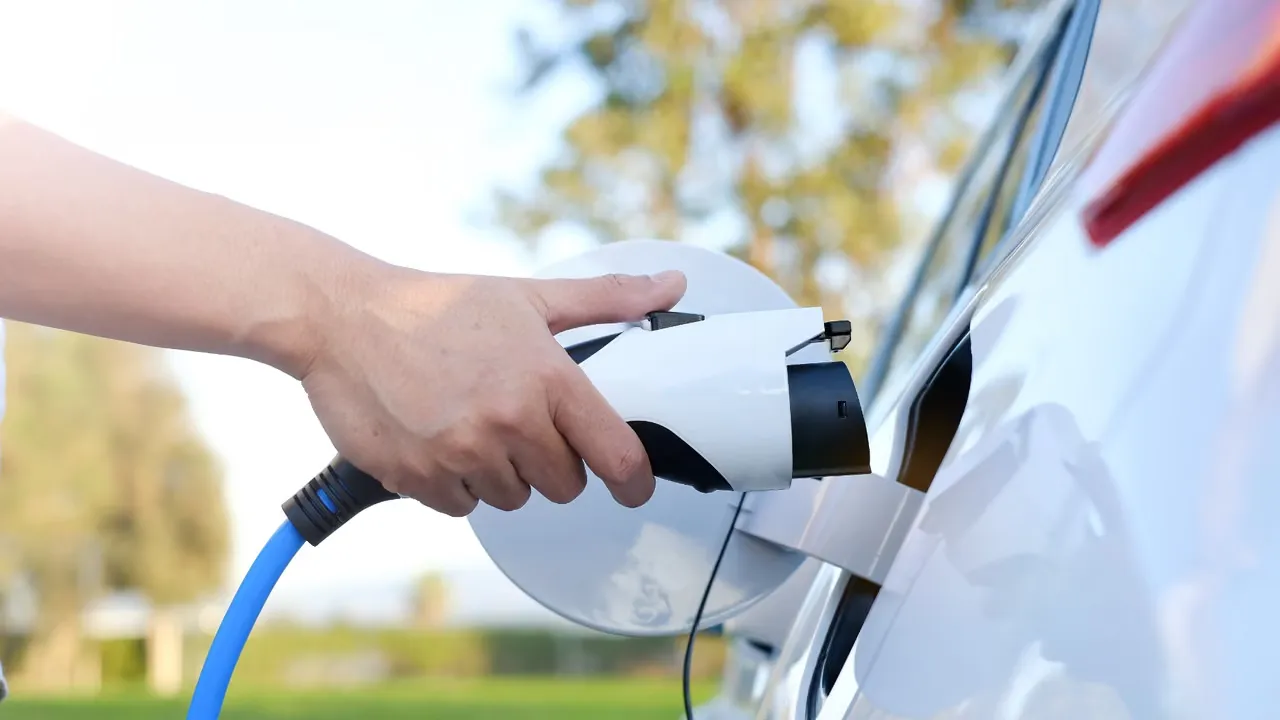
Furthermore, the development of charging infrastructure for electric cars is an essential aspect of sustainable mobility. By expanding the availability of charging stations, we can alleviate range anxiety and encourage more people to switch to electric vehicles.
Conclusion
Electric cars have a significant role to play in reducing greenhouse gas emissions, combating air pollution, and promoting sustainable mobility. Their zero tailpipe emissions make them a cleaner and greener alternative to traditional gasoline-powered vehicles. By transitioning to electric vehicles and supporting the necessary infrastructure, we can work towards a more sustainable and environmentally friendly future.