
Electric Cars as Lifelines During Blackouts
Imagine waking up to a neighborhood plunged into darkness after a fierce storm has knocked out the power grid. The fridge stops humming, the phone’s battery is draining fast, and the usual backup generator is nowhere to be found. In moments like these, an electric car can become more than just a ride — it can be a vital lifeline.
The Rising Reality of Power Outages and Natural Disasters
Power outages are becoming alarmingly frequent. Whether it’s hurricanes, wildfires, ice storms, or heat waves, the electrical grid is under increasing stress. According to recent data, the average American experiences multiple hours of unexpected power loss each year. For many, these outages disrupt everyday life, spoil food, interrupt communication, and in some cases, threaten safety.
Natural disasters don’t just cause blackouts; they can sever access to fuel, isolate communities, and create urgent needs for medical devices or heating and cooling. Traditional backup generators rely on gasoline or diesel, which can be scarce or dangerous to store. This is where electric vehicles (EVs) come into play, offering a surprisingly practical alternative as mobile power hubs.
Electric Cars as Emergency Power Sources
Modern EVs come equipped with large, high-capacity batteries designed to power a vehicle for miles. But that stored electricity doesn’t have to be limited to driving. With the right equipment, your electric car’s battery can supply energy back to your home or to individual devices during an outage.
Several EV manufacturers have started incorporating bi-directional charging technology, often referred to as V2L (Vehicle to Load) or V2H (Vehicle to Home). This allows the car to not only pull power from the grid but also to push power back out, essentially turning your car into a portable generator.
For example, if the power goes out, you can plug your EV into your home's electrical system or use an inverter to run essential appliances such as refrigerators, lights, medical equipment, or charge phones and laptops. This capability transforms a parked car into a critical energy reserve when you need it most.
What Can You Power With an EV?
- Small devices: Smartphones, tablets, laptops, and radios.
- Medical equipment: CPAP machines, oxygen concentrators, and other battery-powered medical gear.
- Home appliances: Refrigerators, lights, fans, and even small heaters or air conditioners, depending on your car’s battery size and inverter capacity.
How to Use Your Electric Car as a Backup Power Source
If you’re considering relying on your EV in emergencies, here are practical tips to keep in mind:
- Check if your EV supports bi-directional charging. Not all electric cars can send power back to your home or devices. Look for features like V2L or V2H in your vehicle's specifications.
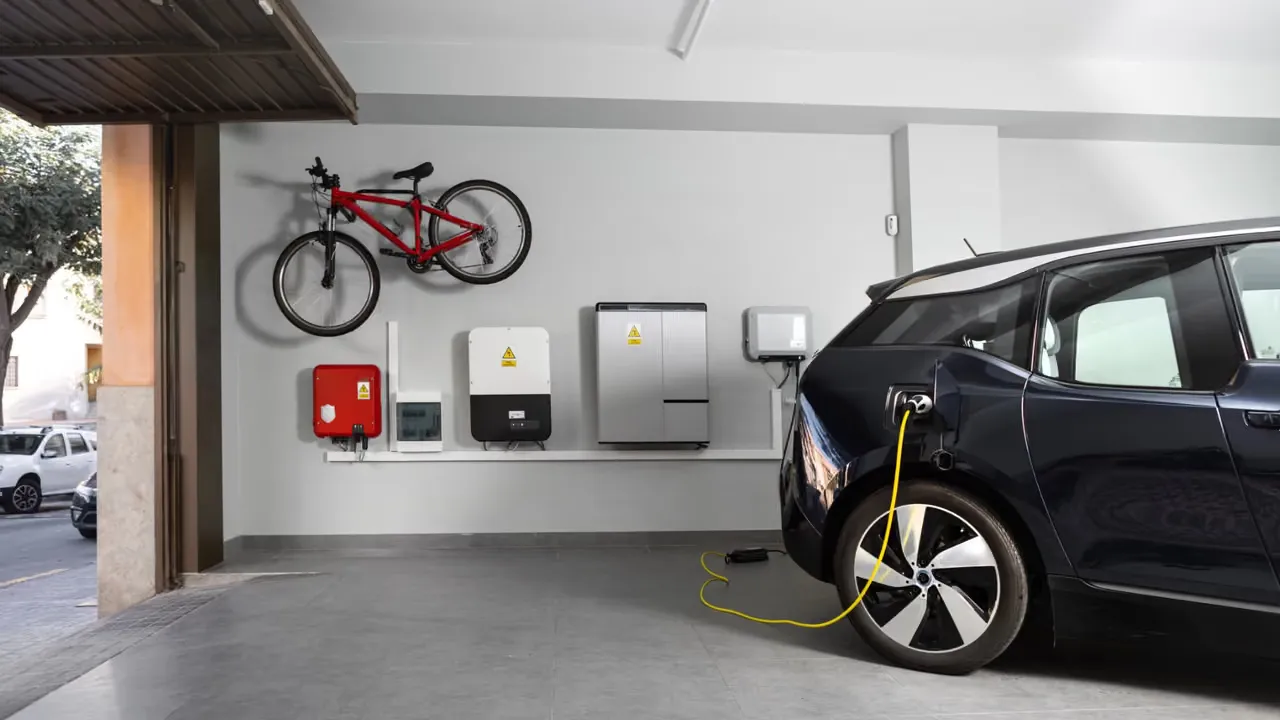
- Invest in the right equipment. You'll need a compatible inverter or a dedicated EV-to-home energy transfer system. Some automakers sell official adapters, while third-party solutions also exist.
- Understand your power needs. Calculate which devices you want to keep running and their power consumption. This helps you manage your battery usage effectively during an outage.
- Keep your EV charged. This might sound obvious, but maintaining a high state of charge is crucial. If a storm is forecasted, plug in your vehicle to ensure maximum battery capacity.
- Practice safe and legal connections. Improper wiring can damage your home’s electrical system or pose fire and electrocution risks. Always follow manufacturer guidelines or consult a professional electrician.
Limitations and Safety Considerations
While EVs offer exciting potential as emergency power sources, there are important caveats to keep in mind:
- Not all EVs support power export. Older models or budget EVs may lack bi-directional charging capabilities altogether.
- Power output limitations. Most EVs can only supply a limited wattage, often enough for essentials but not for whole-house power. High-demand appliances like electric ovens or large HVAC systems usually won’t run off the car battery alone.
- Battery depletion risk. Using your car’s battery during an outage will reduce your driving range. Consider how much you’ll need to drive afterward and plan accordingly.
- Technical complexity. Setting up a vehicle-to-home connection can be complicated and expensive. It requires proper equipment and sometimes home electrical upgrades.
- Safety first. Never attempt makeshift connections or use generic extension cords to power your home from your car. Backfeed into your home’s wiring without proper isolation can endanger utility workers and cause electrical fires.
Despite these limitations, the technology is evolving rapidly. As electric vehicles become more prevalent and infrastructure improves, using your EV as a backup power source will become easier and more accessible. For now, being informed, prepared, and cautious is the best way to turn your car into a reliable emergency tool.