

Electric Cars: Zero-Emission Future
Overview of Electric Cars: Zero-Emission, Fuel Economy, Green Transportation
Electric cars are revolutionizing the way we think about transportation. With their zero-emission technology and fuel-efficient performance, they are paving the way for a greener and more sustainable future.
Zero-Emission Technology
One of the key advantages of electric cars is their zero-emission technology. Unlike traditional gasoline-powered vehicles, electric cars produce no tailpipe emissions that contribute to air pollution and climate change. By running on electricity, these vehicles help to reduce greenhouse gas emissions and improve air quality.
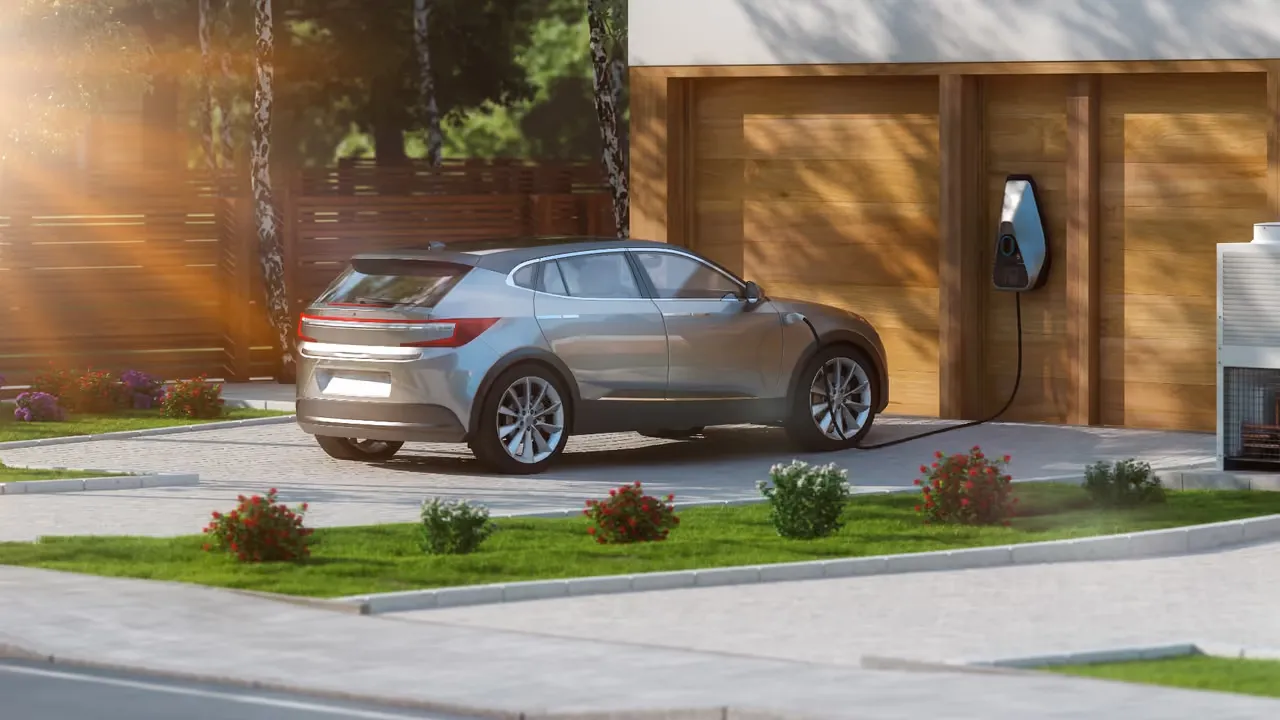
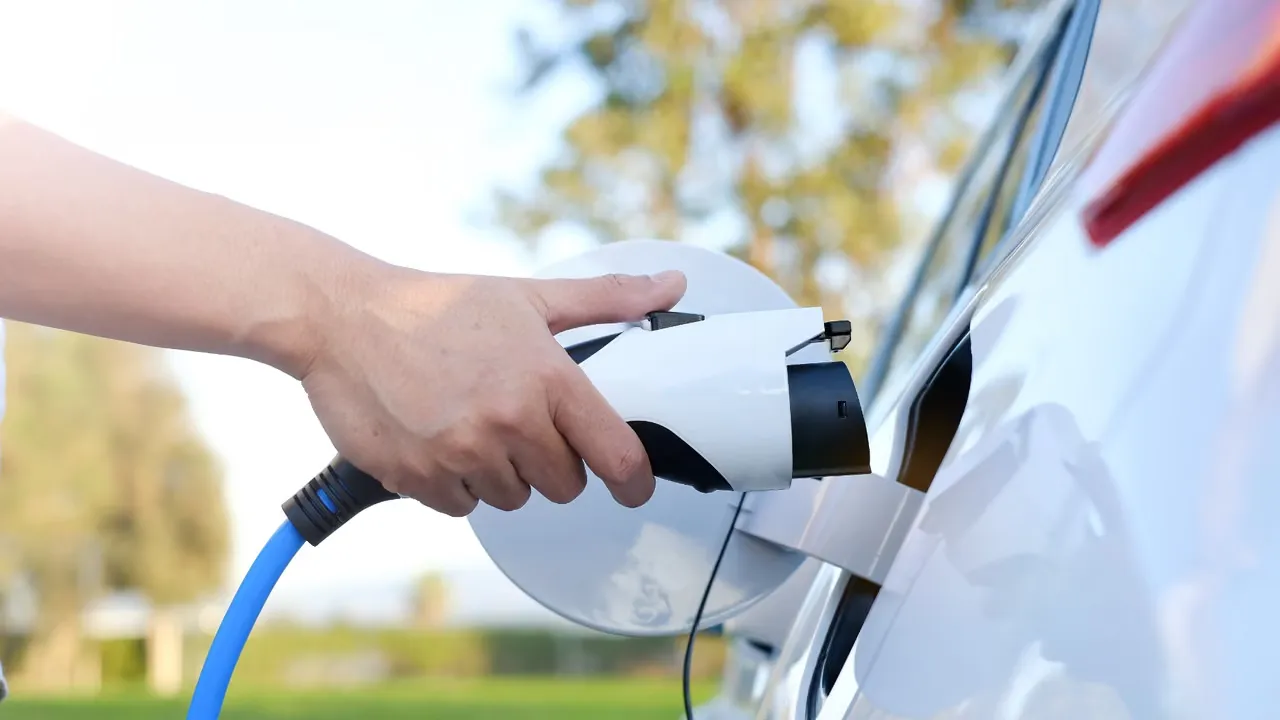
Electric cars are powered by rechargeable batteries, which store electricity to propel the vehicle. This eliminates the need for burning fossil fuels and significantly reduces the carbon footprint associated with transportation. With the increasing availability of renewable energy sources, such as solar and wind power, the electricity used to charge electric cars can also be generated from clean and sustainable sources.
Fuel Economy
Another notable benefit of electric cars is their exceptional fuel economy. Electric vehicles are highly efficient in converting energy from the battery to power the wheels, resulting in lower energy consumption compared to internal combustion engines. This translates to significant savings on fuel costs for electric car owners.
Additionally, electric cars have regenerative braking systems that convert the kinetic energy produced during braking into electrical energy, which is then stored in the battery. This further improves the overall energy efficiency of electric vehicles and extends their driving range.
Green Transportation
Electric cars play a crucial role in promoting green transportation. As governments and individuals become more conscious of the environmental impact of transportation, electric vehicles offer a sustainable alternative to conventional cars. By choosing electric cars, individuals can actively contribute to reducing carbon emissions and combating climate change.
Furthermore, the adoption of electric cars can help reduce our dependence on fossil fuels, which are finite resources. As electric vehicles become more mainstream, the demand for gasoline and diesel will decrease, leading to a more diversified and sustainable energy mix.
In addition to their environmental benefits, electric cars also offer a smooth and quiet driving experience. The instant torque provided by electric motors delivers quick acceleration, making electric cars a joy to drive. Moreover, the absence of engine noise contributes to a quieter and more peaceful urban environment.
Conclusion
Electric cars are at the forefront of the green transportation revolution. With their zero-emission technology, exceptional fuel economy, and contribution to a sustainable future, electric vehicles are changing the way we commute. As the infrastructure for electric charging stations continues to expand, and advancements in battery technology make electric cars more affordable and practical, their popularity is set to soar. Embracing electric cars is not only a smart choice for individuals but also a crucial step towards building a cleaner and greener world.