
Electric Vehicles Power Homes in Blackouts
Imagine a small town plunged into darkness after a massive storm knocks out the power grid. Amid the chaos, families scramble to keep their phones charged, refrigerators cold, and medical devices running. Suddenly, neighbors begin to gather around parked electric vehicles, plugging their homes into the cars’ charging ports. What once was just a mode of transportation becomes a lifeline, a mobile energy reserve delivering power when the grid fails.
Electric Vehicles as Mobile Battery Banks in Disaster Zones
Electric vehicles (EVs) carry large, high-capacity batteries designed primarily to power the car for miles on the road. But these batteries offer more than just transportation energy—they are essentially mobile, rechargeable battery banks that can be tapped for emergency power. When disaster strikes and traditional power sources become unreliable or unavailable, these batteries can provide critical electricity to homes, emergency shelters, and even medical facilities.
The concept is simple yet powerful: instead of EV batteries being a passive energy consumer, they become active participants in energy distribution. In disaster zones where fuel is scarce and generators may fail, EVs offer a clean, quiet alternative to provide electricity on demand. Their mobility also means they can be driven to areas in need, bringing electricity where it’s needed most without relying on damaged infrastructure.
Technological Advances Enabling Vehicle-to-Home and Vehicle-to-Grid Power
Recent technological strides have made the idea of EVs as emergency power sources more than just theoretical. Two key developments are vehicle-to-home (V2H) and vehicle-to-grid (V2G) systems. These technologies allow an EV’s battery to feed electricity back into a home’s electrical system or even the wider power grid.
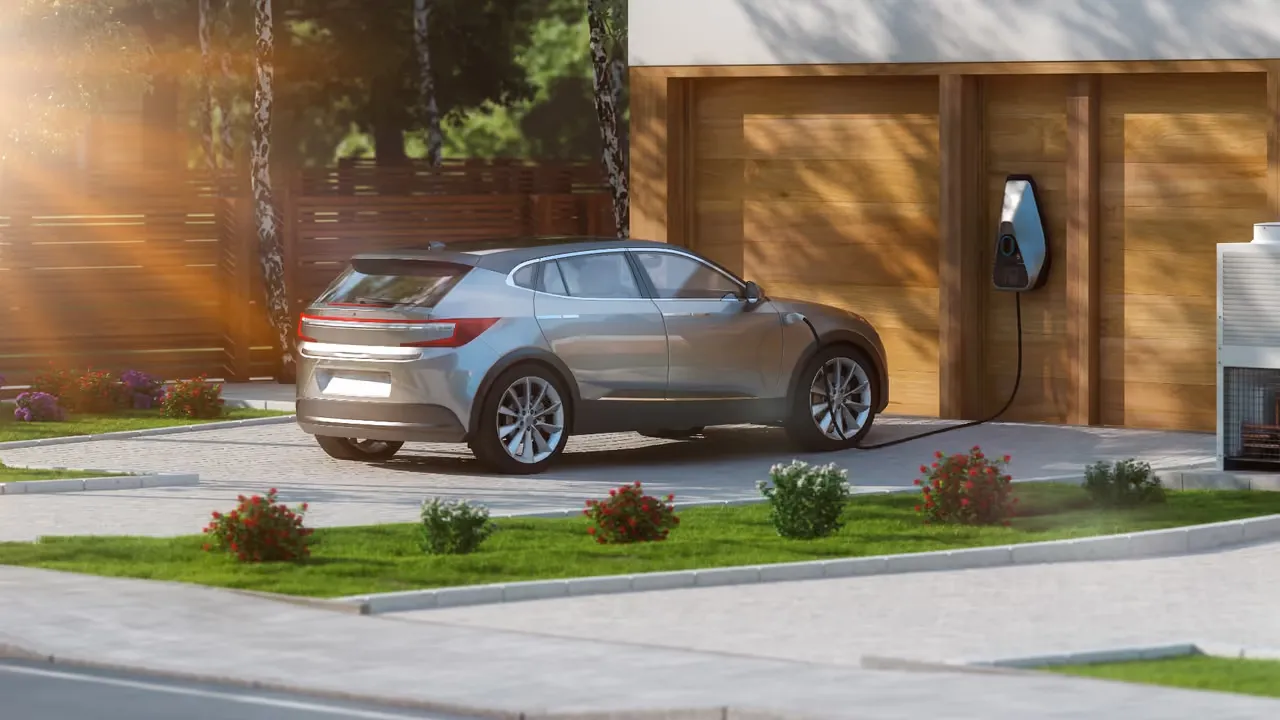
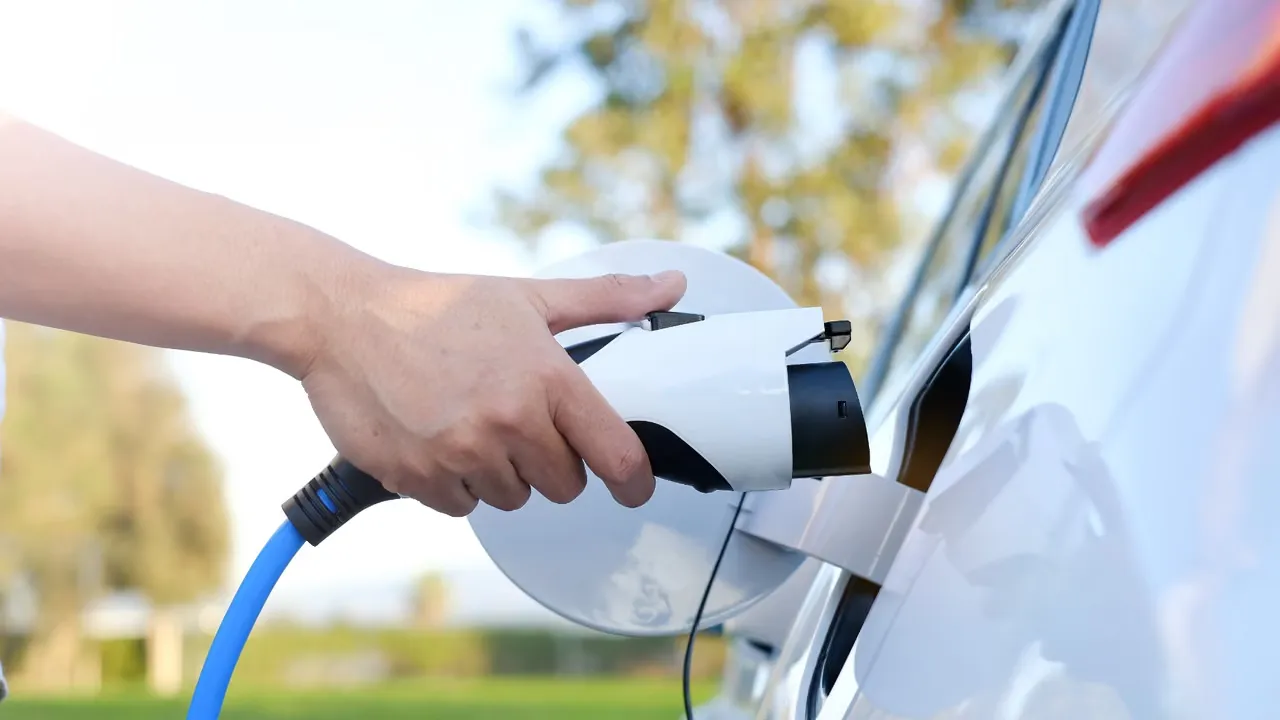
- Vehicle-to-Home (V2H): This setup enables an EV to power a home directly during outages. Using special bidirectional chargers and inverters, electricity flows from the car battery into the home’s circuits. This can keep essential appliances running for hours or days, depending on the battery capacity and energy usage.
- Vehicle-to-Grid (V2G): V2G takes this a step further by allowing EVs to supply power back to the electrical grid itself. During peak demand or emergencies, utilities can tap into the collective battery storage of plugged-in EVs to stabilize the grid or supply emergency power to critical infrastructure.
These systems rely on smart inverters, advanced charging technology, and vehicle software that can communicate with home energy management systems or grid operators. The growing adoption of these technologies means that EVs are no longer just consumers of electricity but can also be key players in energy resilience strategies.
Case Studies Where EVs Provided Critical Power During Emergencies
Several real-world events have demonstrated the lifesaving potential of EVs in disasters.
- California Wildfires: During the devastating wildfires that have repeatedly ravaged California, widespread power shutoffs have left millions in the dark. In response, some EV owners used V2H technology to keep their homes powered when the grid went offline. Emergency responders also experimented with deploying EVs to provide power for communication hubs and medical devices in evacuation centers.
- Hurricane Ida in Louisiana: After Hurricane Ida struck in 2021, causing prolonged blackouts, certain communities utilized EVs as backup power sources. Hospitals equipped with vehicle-to-grid enabled EVs were able to maintain critical operations when generators failed due to fuel shortages.
- Japan Tsunami Recovery Efforts: In the aftermath of the 2011 tsunami, Nissan Leaf vehicles were used to supply emergency power to evacuees and first responders. Their battery systems became invaluable when traditional energy infrastructure was destroyed.
These instances highlight how EVs can play a vital role not just in everyday transportation but in emergency preparedness and response, offering a new layer of resilience to communities facing climate-driven disasters.
Challenges and Future Potential for Integrating EVs into Emergency Response Systems
Despite these promising developments, several challenges remain before EVs can be fully integrated into disaster response frameworks.
- Infrastructure Compatibility: Not all EVs or homes are equipped for bidirectional charging. Widespread adoption of V2H and V2G requires upgrades to charging stations, home electrical systems, and vehicle firmware.
- Battery Degradation Concerns: Using EV batteries for emergency power can accelerate wear and reduce battery life. Manufacturers and owners need to balance emergency use with long-term battery health.
- Coordination and Communication: Effective deployment during disasters requires coordination between vehicle owners, utilities, emergency services, and government agencies. Establishing protocols and communication channels is essential.
- Regulatory and Safety Issues: Standards and regulations around vehicle-to-grid interactions are still evolving. Ensuring safety and interoperability is a major focus for policymakers and industry stakeholders.
Looking ahead, the potential to harness millions of EV batteries as a distributed emergency energy resource is immense. Advances in smart grid technology, renewable energy integration, and energy storage management could transform how communities prepare for and respond to disasters. Automakers, utility companies, and emergency planners are increasingly exploring partnerships to create systems where EVs automatically switch into emergency power mode when disaster strikes.
In a world where climate change is increasing the frequency and severity of natural disasters, electric vehicles could become more than just green transportation. They might just be the mobile power stations that save lives when it matters most.