

Electric Vehicles: Revolutionizing Transportation
Electric Vehicles: Revolutionizing Transportation with EV Charging Networks and Battery Technology
Electric vehicles (EVs) have gained significant popularity in recent years as a sustainable and eco-friendly alternative to traditional gasoline-powered cars. With advancements in EV battery technology and the establishment of robust EV charging networks, these vehicles are poised to revolutionize the transportation industry.
EV Charging Networks: A Key Infrastructure for Electric Vehicles
One of the critical factors contributing to the widespread adoption of electric vehicles is the development of EV charging networks. These networks are essential to address the range anxiety associated with EVs, as they provide convenient and accessible charging options for EV owners.
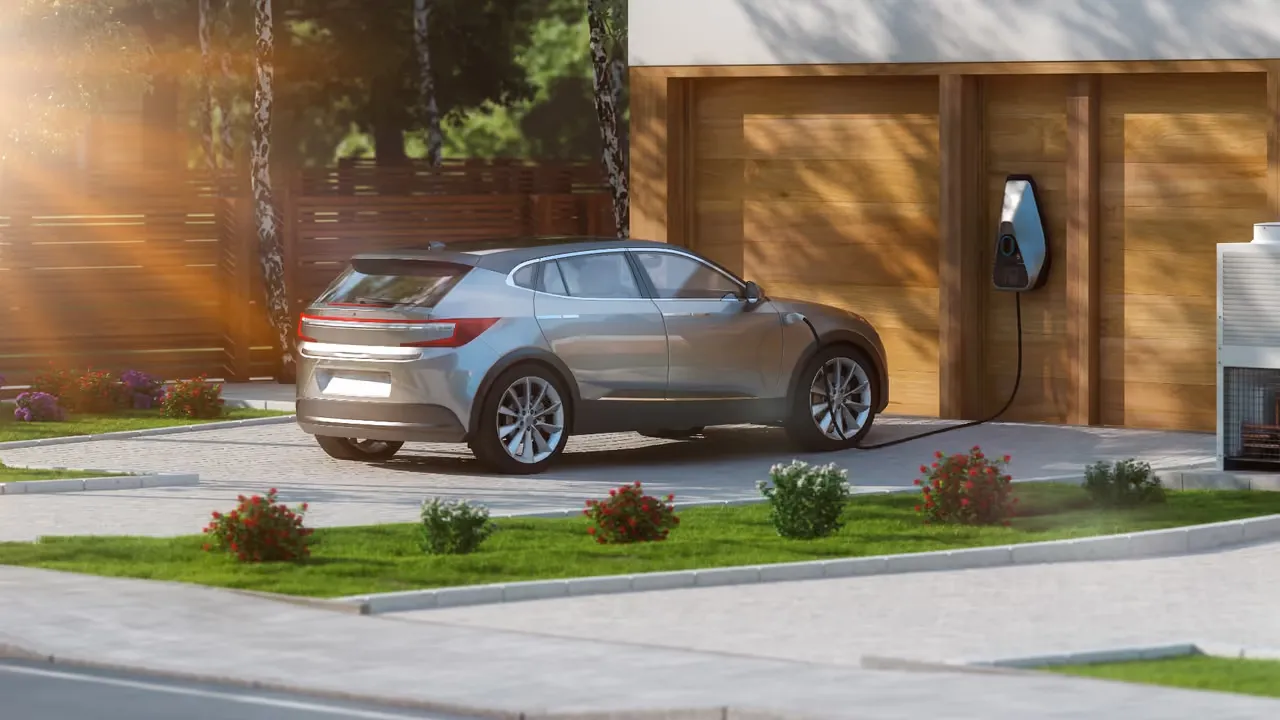
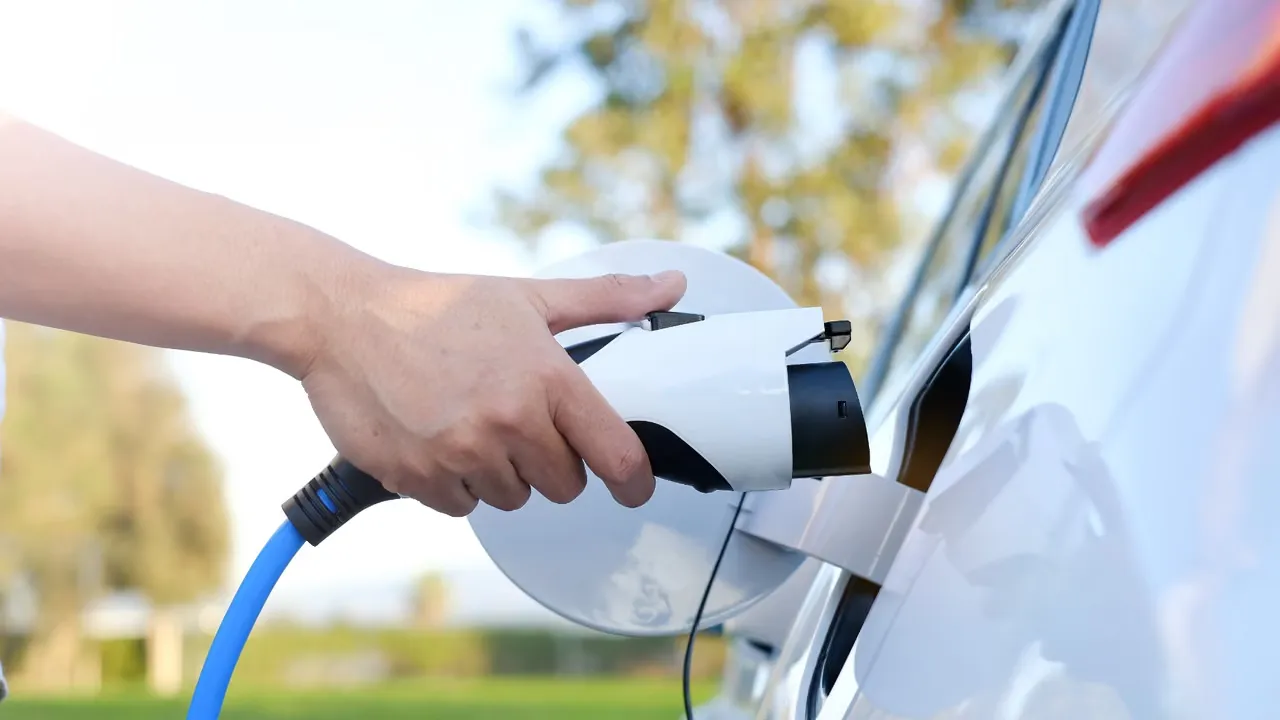
EV charging networks consist of a network of charging stations strategically located across cities, highways, and public spaces. These stations offer different types of charging options, including Level 1, Level 2, and DC fast charging, catering to the diverse needs of EV owners.
Level 1 charging utilizes a standard household outlet and is suitable for overnight charging. Level 2 charging stations provide faster charging speeds and are commonly found in residential areas, workplaces, and public parking lots. DC fast charging, on the other hand, offers rapid charging capabilities, allowing EVs to charge up to 80% in as little as 30 minutes.
As the number of EVs on the road continues to increase, the expansion of EV charging networks becomes crucial. Governments, private companies, and utility providers are investing heavily in the installation of charging stations to ensure widespread access to charging infrastructure, promoting the adoption of electric vehicles.
EV Battery Technology: Powering the Future of Electric Vehicles
The heart of an electric vehicle lies in its battery technology. The advancements in EV battery technology have significantly improved the performance, range, and charging capabilities of electric vehicles, making them a viable option for daily commuting and long-distance travel.
Battery electric vehicles (BEVs) rely solely on electric power stored in their batteries to operate. These vehicles are powered by lithium-ion batteries, which have become the industry standard due to their high energy density, longer lifespan, and faster charging capabilities.
The continuous research and development in battery technology have led to the emergence of solid-state batteries, which offer even higher energy densities and faster charging rates. These batteries use solid electrolytes instead of liquid electrolytes, making them safer, more efficient, and capable of storing more energy.
Additionally, innovations in battery management systems (BMS) have improved the overall efficiency and reliability of electric vehicle batteries. BMS ensures optimal charging and discharging of the battery, prolonging its lifespan and maintaining its performance over time.
The Future of Electric Vehicles
With the rapid expansion of EV charging networks and the continuous advancements in EV battery technology, the future of electric vehicles looks promising. As more charging stations become available, range anxiety will diminish, encouraging more individuals to switch to electric vehicles.
Furthermore, the development of solid-state batteries and improved battery management systems will lead to even more efficient and powerful electric vehicles. The increased energy density and faster charging capabilities of these batteries will eliminate the limitations of range and charging time, making electric vehicles a more convenient and practical choice for consumers.
In conclusion, electric vehicles are transforming the transportation industry with the help of EV charging networks and battery technology. The establishment of robust charging infrastructure and the continuous advancements in battery technology are driving the widespread adoption of electric vehicles. As we move towards a more sustainable future, electric vehicles will play a crucial role in reducing carbon emissions and creating a greener and cleaner environment.