
Energy Efficient Buildings: The Future of Sustainability
Energy-Efficient Buildings: The Future of Sustainable Architecture
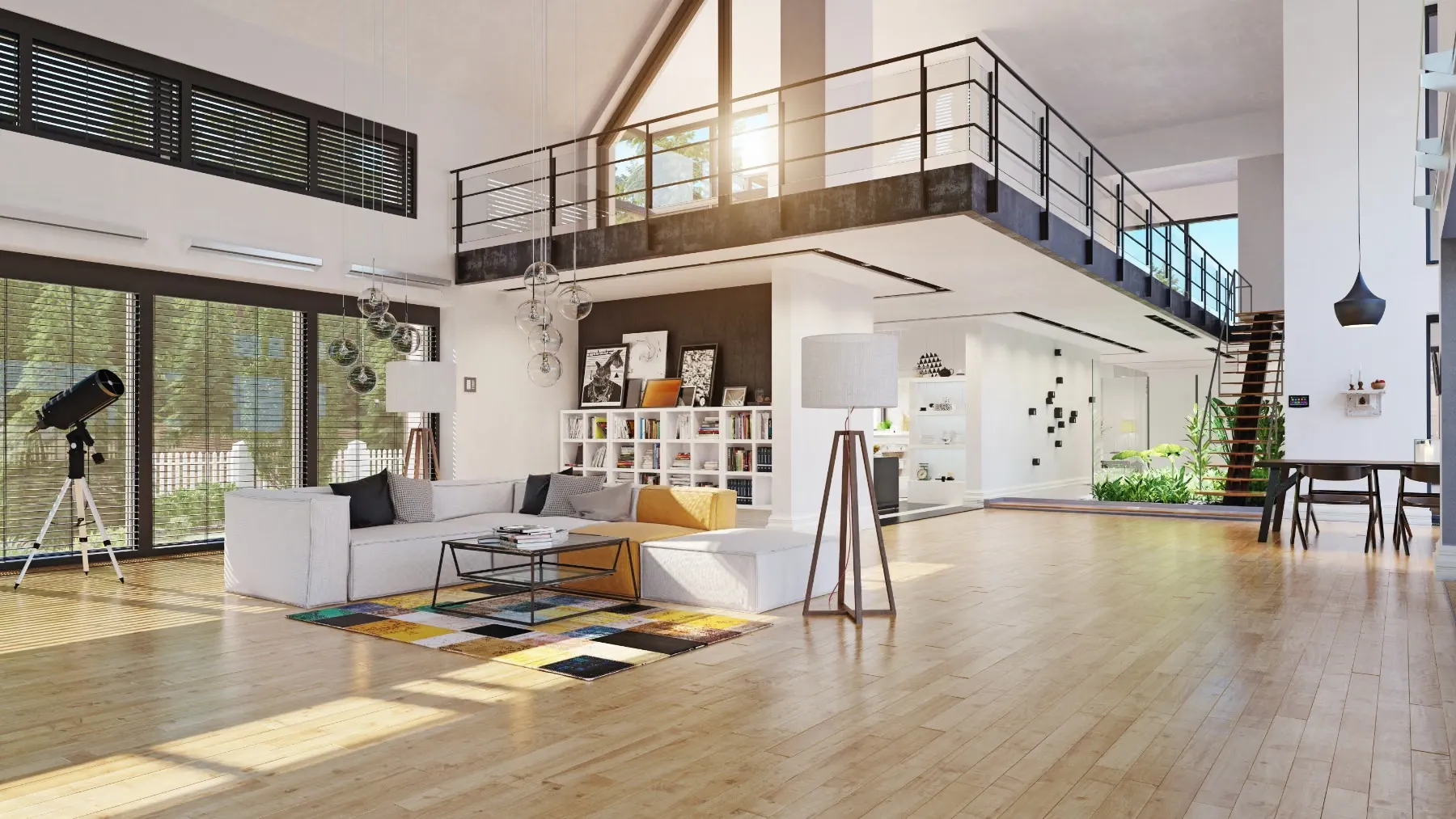
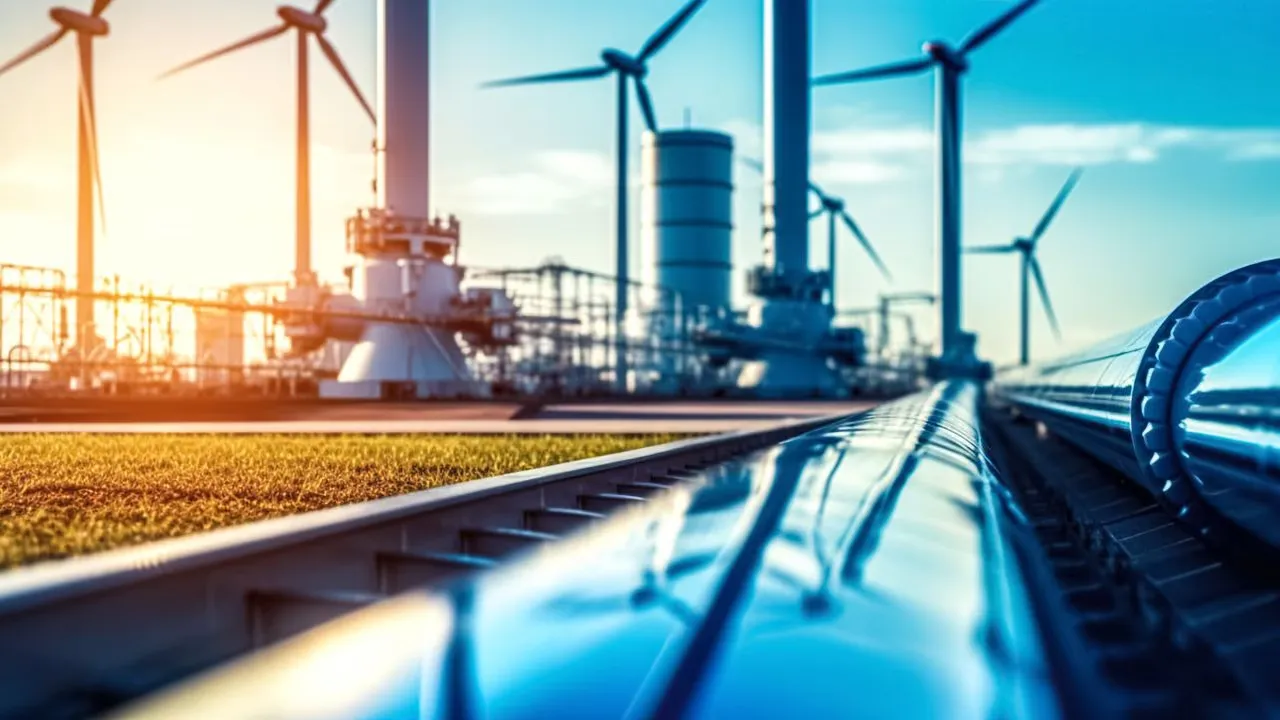
As concerns about climate change and environmental sustainability continue to grow, the construction industry is increasingly focusing on energy-efficient buildings. These structures are designed to minimize their impact on the environment by reducing energy consumption and utilizing renewable resources. In this article, we will explore the concept of energy-efficient buildings and discuss the importance of green building certification, building energy consumption, and building automation.
Green Building Certification
Green building certification is a process that evaluates the sustainability and environmental performance of a building. It provides a framework for designing, constructing, and operating buildings that are resource-efficient and environmentally responsible. One of the most widely recognized green building certification programs is Leadership in Energy and Environmental Design (LEED).
LEED certification assesses various aspects of a building, including its energy usage, water efficiency, indoor environmental quality, and use of sustainable materials. By achieving LEED certification, a building demonstrates its commitment to reducing its carbon footprint and promoting a healthier environment for its occupants.
Building Energy Consumption
Building energy consumption refers to the amount of energy used by a building for heating, cooling, lighting, and operating various systems and appliances. Traditional buildings often consume large amounts of energy, leading to increased greenhouse gas emissions and higher utility bills.
Energy-efficient buildings, on the other hand, are designed to minimize energy consumption through various strategies. These may include the use of insulation and high-performance windows to reduce heat loss or gain, efficient heating, ventilation, and air conditioning (HVAC) systems, and the integration of renewable energy sources such as solar panels.
By optimizing energy consumption, energy-efficient buildings not only reduce their impact on the environment but also offer significant cost savings for building owners and occupants. Lower energy bills and increased energy independence are just some of the benefits that can be achieved through energy-efficient design and construction.
Building Automation
Building automation plays a crucial role in energy-efficient buildings. It involves the use of advanced technologies and systems to monitor and control various building functions, such as lighting, HVAC, and security. By automating these processes, buildings can optimize energy usage and reduce waste.
For example, smart lighting systems can automatically adjust the intensity of lights based on natural daylight or occupancy, reducing unnecessary energy consumption. Similarly, intelligent HVAC systems can adapt to changing weather conditions and occupancy patterns, ensuring optimal comfort while minimizing energy usage.
Building automation also enables the collection and analysis of real-time data, allowing building managers to identify areas of improvement and make informed decisions to further enhance energy efficiency. By integrating automation technologies, energy-efficient buildings can achieve even greater levels of sustainability and performance.
Conclusion
Energy-efficient buildings are the future of sustainable architecture. Through green building certification, building energy consumption optimization, and building automation, these structures can significantly reduce their environmental impact while providing comfortable and cost-effective spaces for their occupants. As the demand for energy-efficient buildings continues to grow, it is essential for architects, engineers, and building owners to embrace sustainable design principles and technologies to create a greener and more sustainable built environment.