

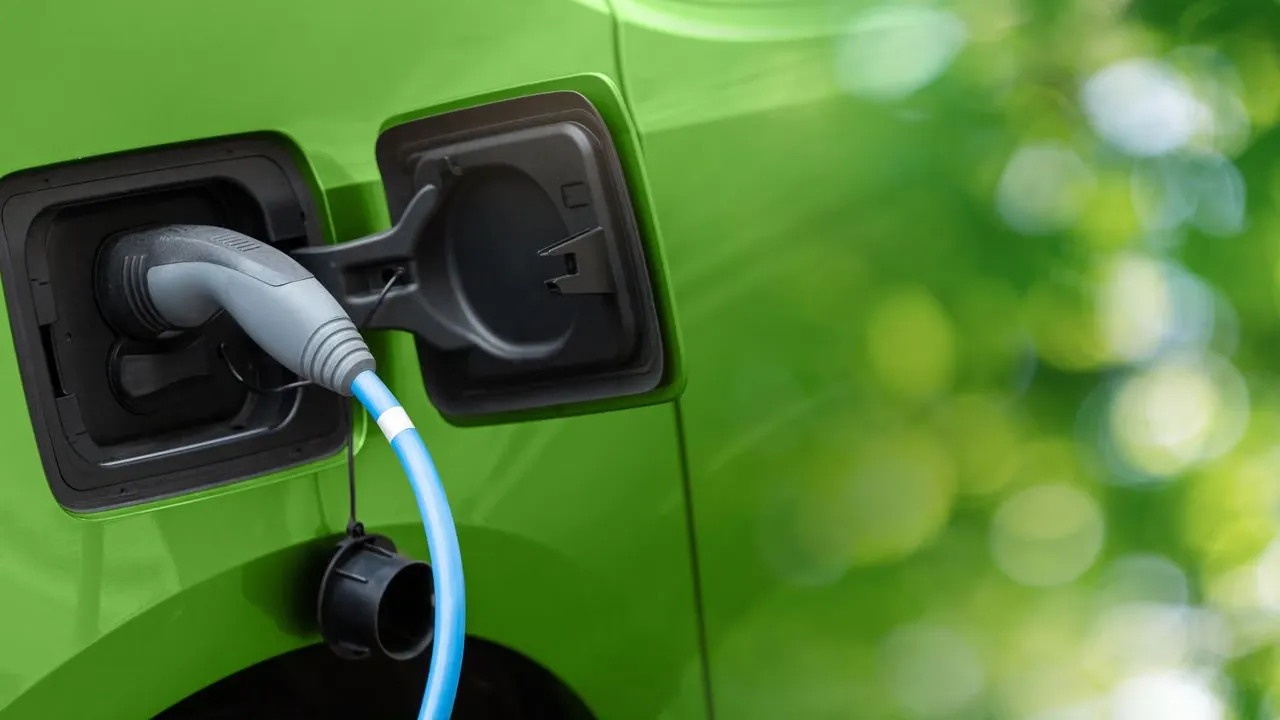
EV Charging Platform Integration: Collaborative Data Exchange
EV Charging Platform Integration: Collaborating for Efficient Data Exchange
As electric vehicles (EVs) gain popularity, the need for an efficient and seamless charging infrastructure becomes paramount. To meet this demand, charging platform ERP integration, platform collaboration, and data exchange play a crucial role. In this article, we will explore these concepts and their significance in the world of EV charging.
Charging Platform ERP Integration
Electric vehicle charging platforms are designed to manage and monitor the charging process, allowing users to find available charging stations, make payments, and track their charging history. However, to ensure a smooth user experience, these platforms need to integrate with enterprise resource planning (ERP) systems.
ERP integration enables charging platform operators to streamline their operations by connecting their charging infrastructure with back-end systems. This integration allows for real-time data synchronization, ensuring accurate billing, inventory management, and financial reporting. By integrating with ERP systems, charging platforms can provide a seamless experience for both EV owners and operators.
Charging Platform Collaboration
Collaboration among different charging platforms is essential for creating a comprehensive and interconnected charging network. When charging platforms collaborate, they can share important information, such as the availability of charging stations, pricing, and user feedback. This collaboration ensures that EV owners have access to a wide range of charging options and helps reduce range anxiety.
Moreover, charging platform collaboration can also lead to the development of interoperable charging standards. Standardization allows EV owners to use any charging station, regardless of the platform, without the need for multiple accounts or memberships. This interoperability promotes convenience and encourages the adoption of electric vehicles.
Charging Platform Data Exchange
Data exchange between charging platforms is crucial for optimizing the charging infrastructure and improving the overall user experience. By sharing data, platforms can gain insights into charging patterns, peak usage hours, and station availability. This information can be used to identify areas of high demand and strategically plan the placement of new charging stations.
Furthermore, data exchange enables charging platforms to provide real-time information to EV owners, such as the availability of charging stations, estimated charging times, and pricing. This transparency empowers EV owners to make informed decisions and helps them avoid unnecessary detours or waiting times.
In Conclusion
EV charging platform integration, collaboration, and data exchange are essential components for creating a robust and efficient charging infrastructure. By integrating with ERP systems, charging platforms can streamline their operations and ensure accurate billing and reporting. Collaboration among platforms promotes interoperability and expands the charging network, while data exchange enables optimization and enhances the user experience.
As the demand for electric vehicles continues to grow, it is crucial for charging platform operators to prioritize integration, collaboration, and data exchange. By doing so, they can contribute to the widespread adoption of EVs and create a sustainable future for transportation.