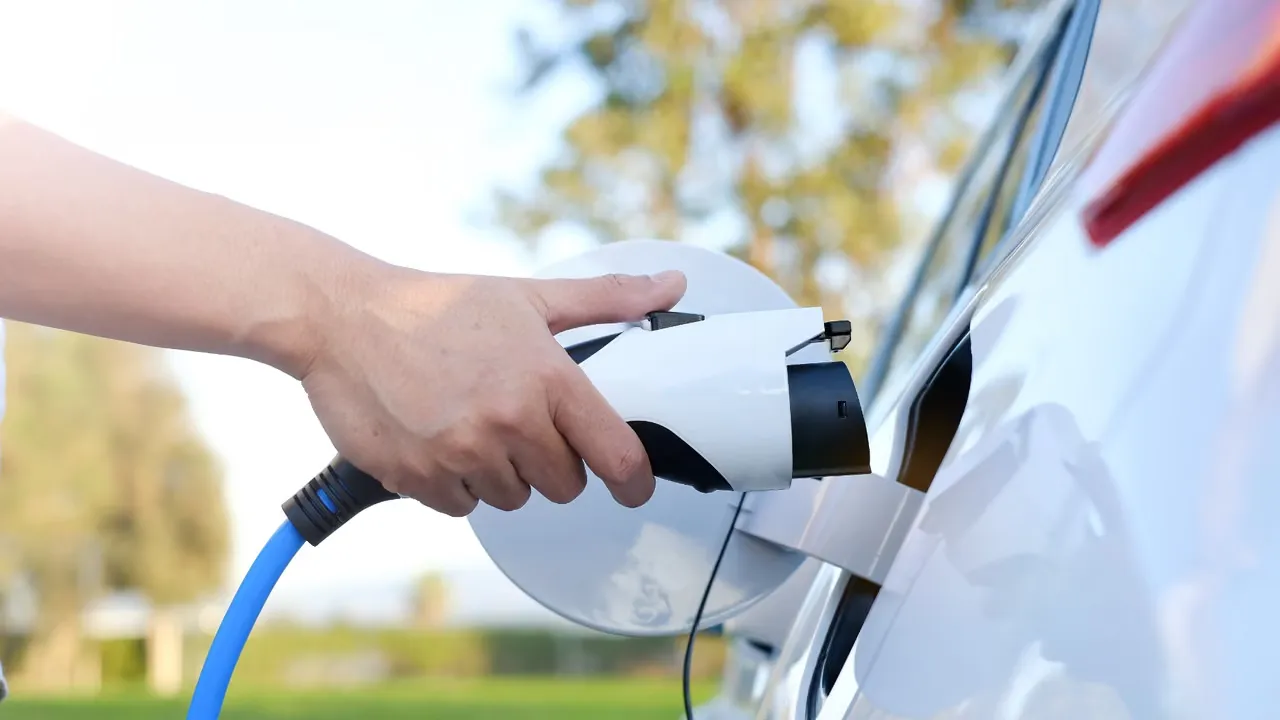


EV Charging Platform User Experience: A Comprehensive Guide
EV Charging Platform User Experience: A Closer Look
As electric vehicles (EVs) continue to gain popularity, the need for reliable and efficient charging infrastructure becomes increasingly important. EV charging platforms play a crucial role in providing users with a seamless and convenient experience. In this article, we will delve into the user journey, charging history, and user retention on these platforms, highlighting the key aspects that contribute to a positive user experience.
The Charging Platform User Journey
When a user first interacts with an EV charging platform, their journey typically begins with the registration process. A user-friendly and intuitive registration flow is essential to ensure a smooth onboarding experience. The platform should request only necessary information and guide users through the process with clear instructions.
Once registered, users can access the platform’s features, such as locating charging stations, checking availability, and initiating charging sessions. The platform should offer a user-friendly interface with intuitive navigation, allowing users to easily find the information they need.
During the charging process, real-time updates on the charging status are crucial. Users should be able to monitor the progress of their charging session, including the charging rate, estimated time to complete, and any notifications related to the session.
After the charging session is complete, users should have access to a detailed charging history. This history should include information such as the date and time of the session, charging duration, energy consumed, and cost. Providing users with this data empowers them to track their usage and make informed decisions.
Charging Platform Charging History
The charging history feature on an EV charging platform is not only beneficial for users but also for the platform itself. By analyzing charging data, the platform can identify usage patterns, peak hours, and popular charging locations. This information can help optimize the charging infrastructure and plan for future expansion.
Additionally, the charging history feature allows users to track their environmental impact. Many EV owners are environmentally conscious, and being able to see the amount of CO2 emissions saved by driving an electric vehicle can be a motivating factor. This data can also be shared on social media platforms, further promoting the adoption of EVs.
Charging Platform User Retention
Ensuring user retention is crucial for the long-term success of an EV charging platform. There are several strategies that can be employed to enhance user retention:
- Seamless Payment Integration: Integrating a variety of payment options, such as credit cards and mobile wallets, simplifies the payment process for users.
- Rewards and Incentives: Offering rewards, discounts, or loyalty programs can incentivize users to continue using the platform.
- User Feedback and Support: Providing a channel for users to provide feedback and resolve any issues they encounter demonstrates a commitment to customer satisfaction.
- Continuous Improvement: Regularly updating the platform with new features and improvements based on user feedback shows a dedication to providing the best user experience possible.
By implementing these strategies, EV charging platforms can foster user loyalty and encourage users to choose their platform over competitors.
Conclusion
EV charging platforms play a vital role in facilitating the adoption of electric vehicles. A well-designed user journey, comprehensive charging history, and effective user retention strategies are key factors in providing a reliable and enjoyable user experience. As the demand for EVs continues to grow, it is essential for charging platforms to prioritize user satisfaction and continuously improve their offerings.