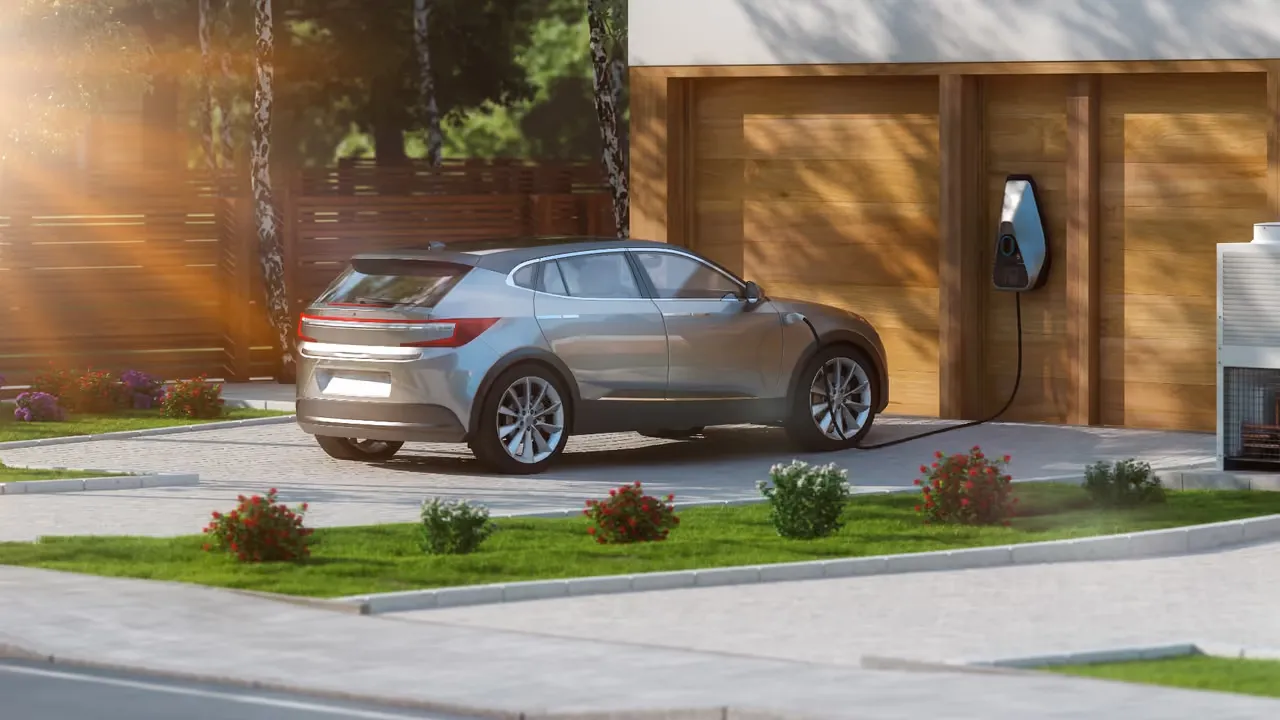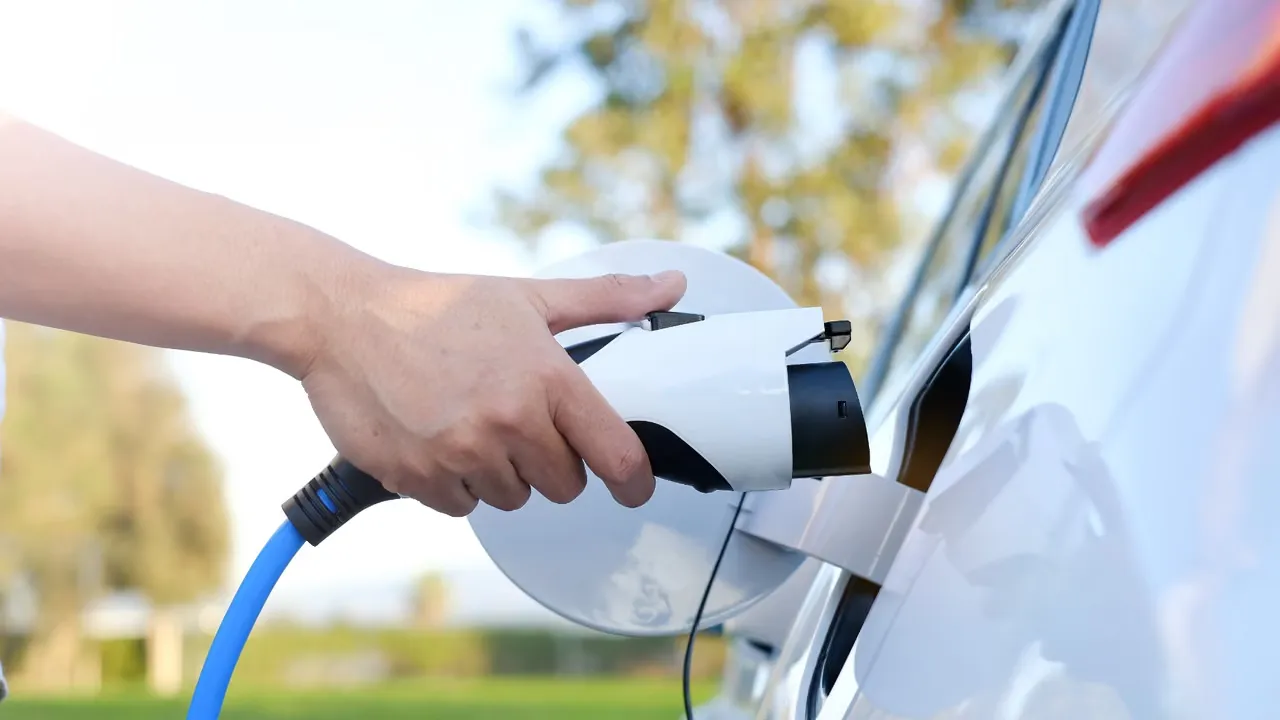


EV Charging Station Billing and Payments: Revolutionizing the EV Industry
EV Charging Station Billing and Payments: Revolutionizing the Electric Vehicle Industry
As the demand for electric vehicles (EVs) continues to rise, the need for efficient and user-friendly charging stations becomes increasingly important. One of the key aspects of a successful charging infrastructure is a seamless billing and payment system. In this article, we will explore the latest advancements in charging station payment automation, pricing models, and payment refunds, and how they are revolutionizing the EV industry.
Charging Station Payment Automation
Gone are the days of fumbling for loose change or swiping credit cards at charging stations. With the advent of charging station payment automation, EV owners can now enjoy a hassle-free charging experience. These automated systems allow users to pay for their charging sessions using various methods, such as mobile apps, RFID cards, or even contactless payment options like Apple Pay or Google Wallet.
By eliminating the need for physical currency or credit cards, charging station payment automation not only saves time but also enhances security. Users can easily track their charging expenses and receive digital receipts for their records. Additionally, charging station operators can streamline their revenue collection process and reduce the risk of theft or vandalism.
Charging Station Pricing Models
When it comes to pricing models for EV charging stations, there are several options available. The most common models include flat-rate pricing, time-based pricing, and kilowatt-hour (kWh) pricing.
Flat-rate pricing offers a fixed fee for a charging session, regardless of the duration or amount of energy consumed. This model is simple and easy to understand, but it may not accurately reflect the actual cost of charging. Time-based pricing, on the other hand, charges users based on the duration of their charging session. While this model provides a fairer representation of the cost, it may not account for variations in charging speeds or energy demand.
Kilowatt-hour pricing is considered the most transparent and accurate model, as it charges users based on the amount of energy consumed. This model takes into account the charging speed and the actual cost of electricity, providing a more precise reflection of the charging expenses. However, implementing kilowatt-hour pricing requires advanced metering infrastructure and real-time data monitoring, which may pose challenges for some charging station operators.
Charging Station Payment Refunds
Occasionally, EV owners may encounter situations where they need to request a payment refund for their charging sessions. This could be due to a charging station malfunction, an overcharged session, or any other unforeseen circumstances. To address these scenarios, charging station operators are implementing refund policies and procedures.
Refund policies vary among charging station operators, but most aim to provide a fair and efficient resolution process. Users can typically request a refund by submitting a claim through the charging station’s mobile app or website, providing relevant details such as the charging session ID, time of the session, and reason for the refund request. Charging station operators then review the claim and process the refund accordingly.
It is worth noting that refund policies may differ depending on the charging station network or the specific terms and conditions set by the operator. Therefore, it is essential for EV owners to familiarize themselves with the refund policies of the charging stations they frequent to ensure a smooth refund process, if needed.
Conclusion
With the advancements in charging station payment automation, pricing models, and payment refunds, the EV industry is experiencing a significant transformation. EV owners can now enjoy a seamless charging experience, with convenient payment options and transparent pricing models. Furthermore, the implementation of refund policies ensures that users are protected in case of any unforeseen issues. As the EV market continues to grow, it is crucial for charging station operators to prioritize these billing and payment advancements to meet the evolving needs of EV owners.