
EV Charging Station Management: Ensuring Efficiency
EV Charging Station Management: Ensuring Smooth Operations
As the popularity of electric vehicles (EVs) continues to rise, the demand for efficient and reliable charging infrastructure is also increasing. EV charging station management plays a crucial role in ensuring that these stations are well-maintained, properly diagnosed, and effectively managed to meet the needs of EV owners. In this article, we will explore the importance of charging station maintenance, diagnostics, and load management.
Charging Station Maintenance
Maintaining EV charging stations is essential to keep them in optimal working condition. Regular maintenance helps identify and address any potential issues before they become major problems. It also ensures that the charging stations are safe and reliable for users.
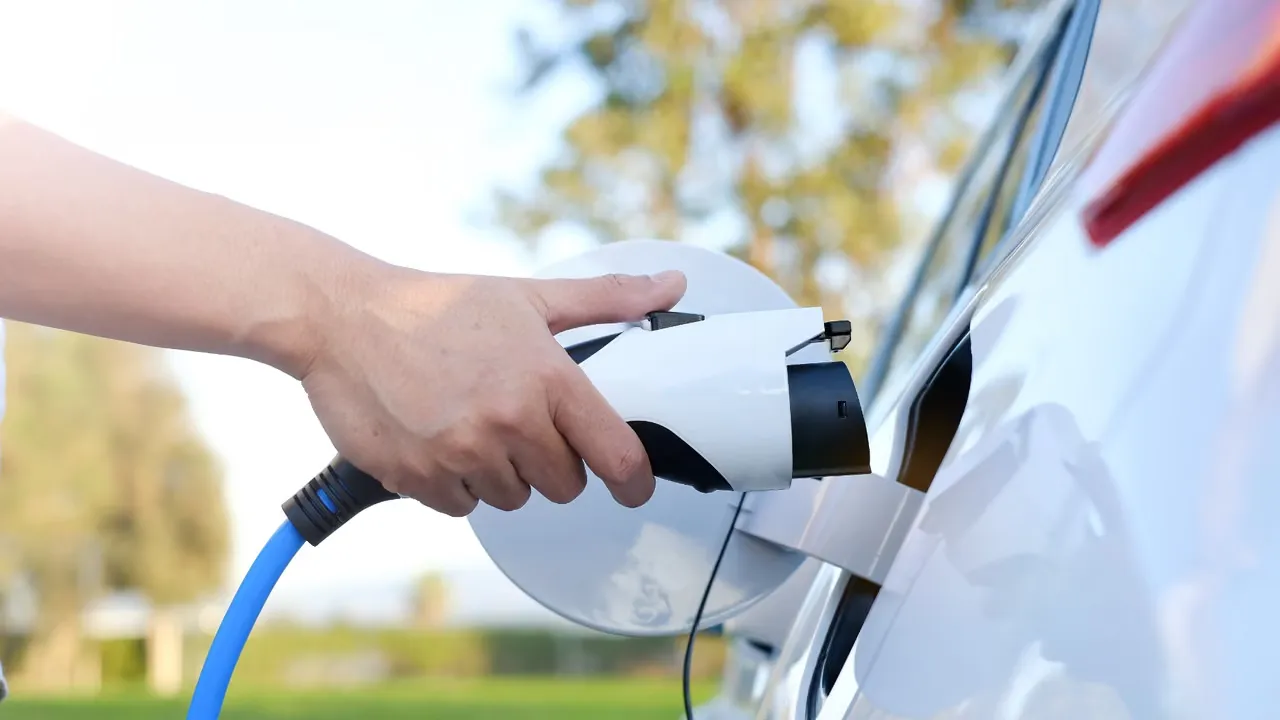
During maintenance, technicians inspect the charging station components, including cables, connectors, and charging units. They check for any signs of wear and tear, loose connections, or damage that may affect the charging process. Any necessary repairs or replacements are carried out promptly to minimize downtime.
Additionally, routine maintenance includes cleaning the charging stations to remove dust, debris, and any other contaminants that may hinder their performance. This helps maintain the efficiency of the charging process and ensures a positive user experience.
Charging Station Diagnostics
Charging station diagnostics involve identifying and resolving any technical issues that may arise during the charging process. These diagnostics help ensure that the charging stations are functioning properly and delivering the expected charging capacity.
Technicians use advanced diagnostic tools to assess the performance of the charging stations. They check for any error codes, monitor charging speed, and verify that the stations are communicating effectively with the EVs. If any issues are detected, technicians can quickly diagnose the problem and take appropriate action to resolve it.
Regular diagnostics not only help in maintaining the charging stations but also contribute to a seamless charging experience for EV owners. By promptly addressing any technical issues, charging station operators can minimize disruptions and ensure that EVs can charge efficiently.
Charging Station Load Management
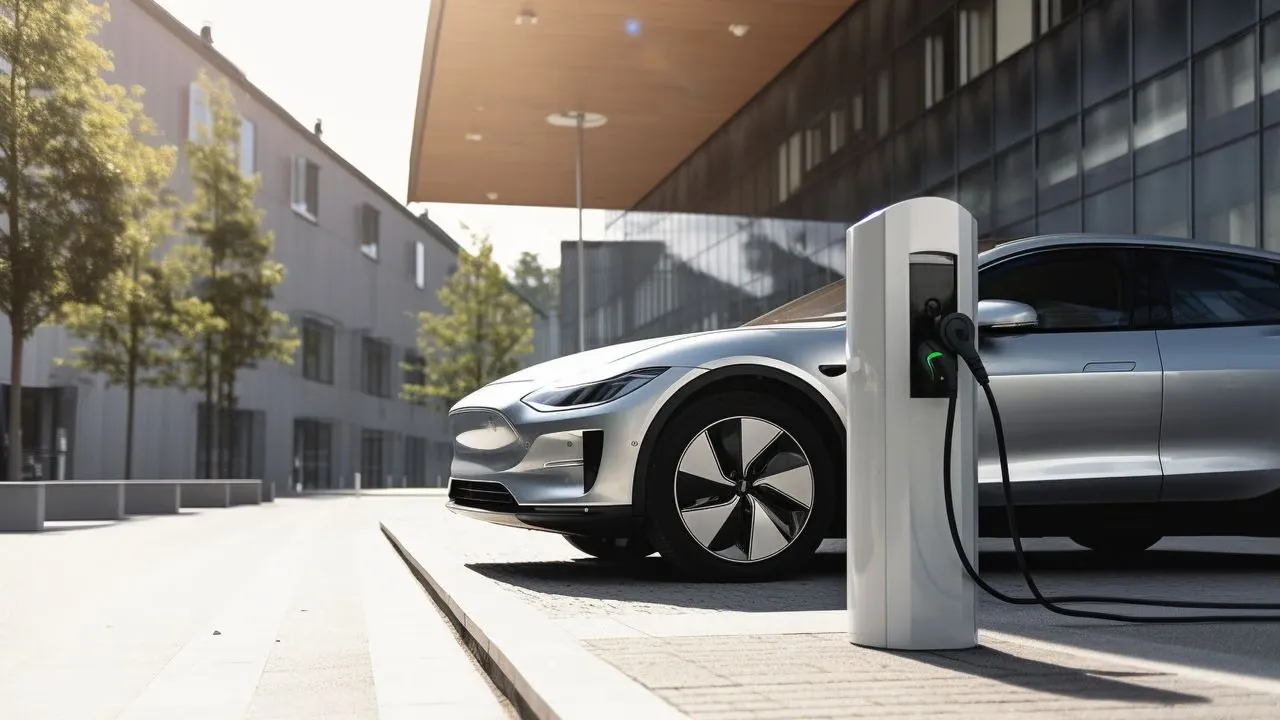
Load management is a crucial aspect of EV charging station management, especially in locations with multiple charging stations. It involves balancing the electrical load to prevent overloading the power grid and ensure efficient charging for all EVs.
Load management systems monitor the power consumption of each charging station and distribute the available power based on demand. By intelligently allocating power, load management systems prevent power outages or fluctuations that could disrupt the charging process.
These systems also allow charging station operators to set priorities for charging, such as providing faster charging for EVs with lower battery levels or managing peak demand periods. This ensures that all EV owners have access to charging facilities and helps optimize the use of available resources.
Conclusion
EV charging station management is vital for maintaining the reliability and efficiency of charging infrastructure. Regular maintenance, effective diagnostics, and load management systems contribute to a seamless charging experience for EV owners while ensuring the smooth operation of charging stations.
By prioritizing these aspects of management, charging station operators can meet the growing demand for EV charging and support the transition towards a more sustainable transportation future.