
EV Charging Transforms Neighborhood Grids
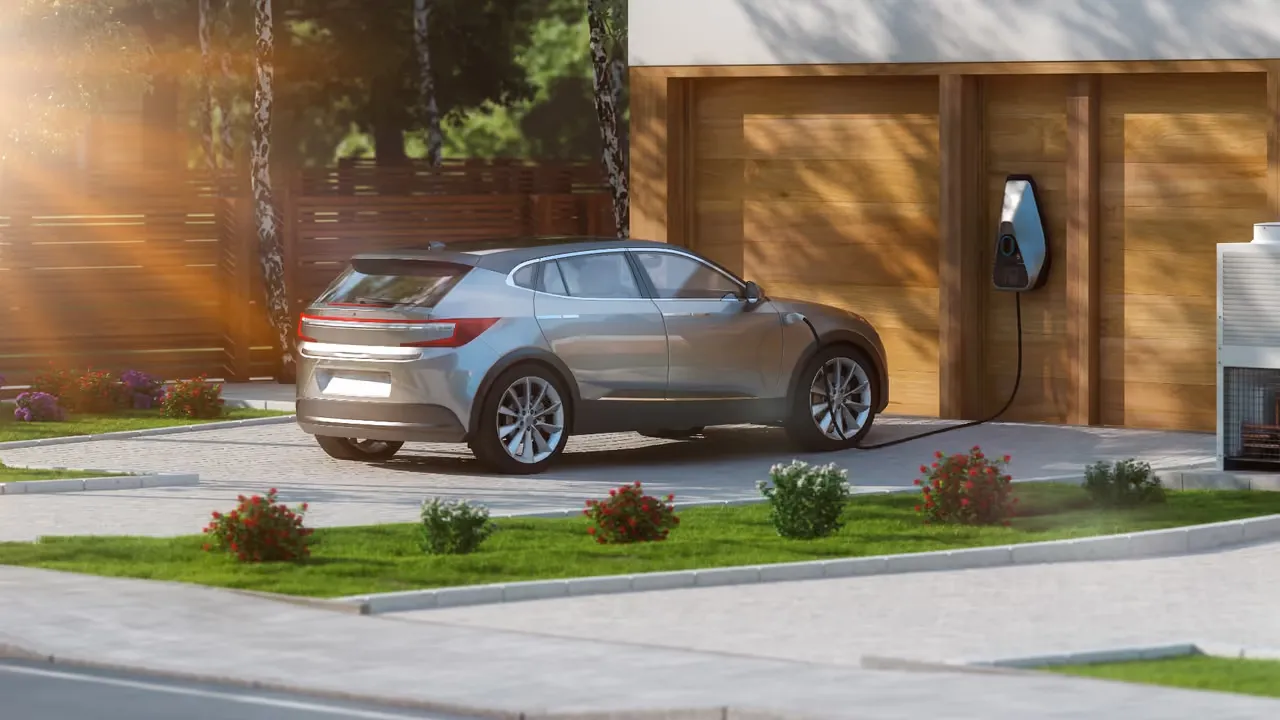
How does the rise of electric vehicles reshape the way we use electricity at home and affect the power grid in our neighborhoods? As more suburban families plug in EVs, the patterns of residential energy consumption and peak load demands are shifting in ways that demand our attention.
Understanding the Impact of EV Charging on Home Electricity Use
Electric vehicles add a significant new demand to household electricity consumption. Unlike traditional cars that rely on gasoline, EVs draw power directly from the home’s electrical system. This means that charging an EV can substantially increase a household’s daily electricity use, sometimes doubling it depending on the vehicle and driving habits.
Most EV owners charge their vehicles overnight, when electricity rates are lower and demand on the grid is generally reduced. However, this shift in load can still stress residential electrical systems if multiple EVs charge simultaneously or if the home’s wiring and electrical panel aren’t designed to handle the added current. Even daytime charging, which is becoming more common with workplace and public chargers, can spike electricity use during hours when other household appliances are running.
How EVs Alter the Timing and Magnitude of Peak Energy Demand
Historically, suburban peak energy demand occurs during early morning and early evening hours—times when people are waking up, cooking, heating or cooling their homes, and using electronics. EV charging introduces a new dimension to this pattern. For many households, peak demand might now extend later into the night or even overlap with existing peak periods if owners plug in their vehicles immediately after returning home.
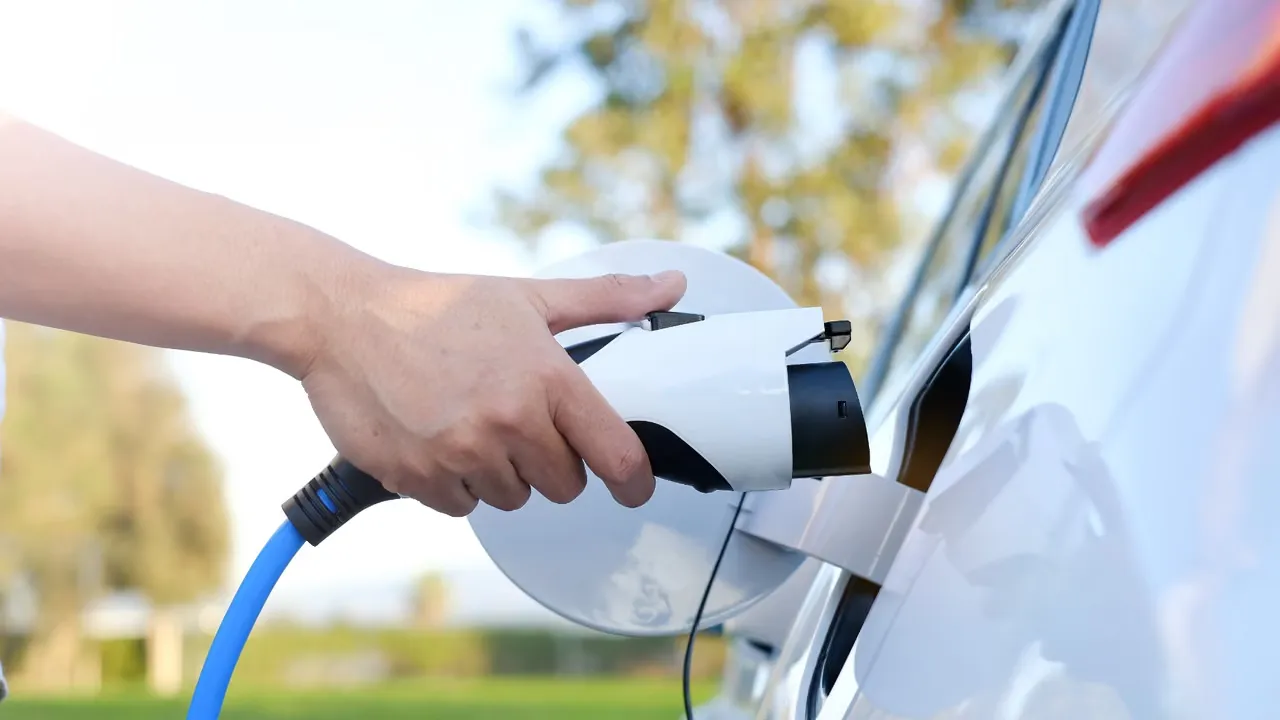
The magnitude of peak load also increases. A single EV charger can draw anywhere from 3.3 kilowatts (kW) for slower Level 1 charging, up to 7.2 kW or more for faster Level 2 home charging units. Multiply that by several EVs in a neighborhood, and the aggregated effect can push local transformers and circuits to their limits, risking outages or reduced reliability.
Utilities have noticed these changes and are concerned about the potential for new "peak" demands that could increase the need for expensive infrastructure upgrades. The unpredictability of when and how many EVs will charge simultaneously complicates grid management.
Strategies for Homeowners to Manage Increased Energy Loads Effectively
Homeowners aren’t powerless in the face of these challenges. Several practical strategies can help manage the increased energy consumption without overwhelming the home or the grid:
- Smart Charging Systems: Installing smart chargers that can schedule EV charging during off-peak hours or when renewable energy production is high helps flatten demand spikes.
- Load Management Devices: Some technologies monitor total household load and automatically reduce EV charging speed if other appliances are using significant power, preventing circuit overload.
- Energy Storage Solutions: Pairing solar panels with home battery systems allows homeowners to store solar energy during the day and use it to charge their EVs at night, reducing grid dependence.
- Upgrading Electrical Infrastructure: Ensuring the home’s wiring, circuit breakers, and panel can safely handle higher loads is essential for preventing hazards and accommodating future needs.
By adopting these measures, homeowners can avoid dramatic spikes in their electricity bills and contribute to grid stability.
Community-Level Solutions for Balancing EV Integration and Grid Stability
Individual action only goes so far. At the community level, coordinated efforts are essential to manage the collective impact of widespread EV adoption.
- Demand Response Programs: Utilities can incentivize homeowners to charge EVs during off-peak hours through pricing signals or rebates, smoothing out neighborhood demand curves.
- Community Energy Storage: Shared battery systems at the neighborhood or subdivision level can store excess energy and supply it during peak times, easing stress on local transformers.
- Smart Grid Technologies: Advanced sensors and automated controls can monitor and adjust energy flows in real time, balancing EV charging loads with other residential consumption.
- Infrastructure Upgrades: Investment in higher-capacity transformers, improved distribution lines, and localized renewable generation ensures the grid can handle increased demand reliably.
Some suburbs are piloting programs that integrate these solutions, effectively turning EV adoption from a potential problem into a catalyst for smarter, more resilient energy systems. Community engagement and transparent communication between residents, utilities, and local governments play a crucial role in these initiatives’ success.