
Home EV Charging: Options and Considerations
Electric Vehicle Charging at Home: Options and Considerations
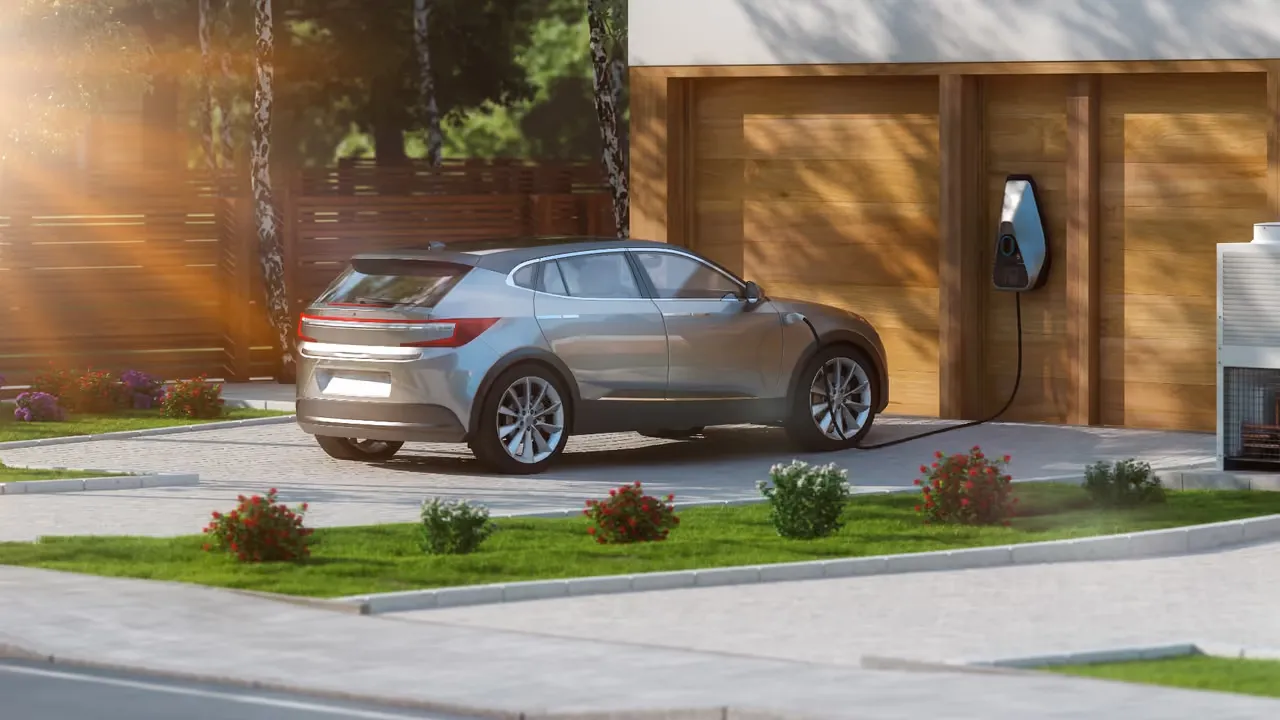
With the increasing popularity of electric vehicles (EVs), more and more people are considering installing a charging station at home. Having a dedicated charging point not only provides convenience but also ensures that your EV is always ready for your daily commute or long trips. In this article, we will explore the different options available for home EV charging and the considerations you should keep in mind.
EVSE: Electric Vehicle Supply Equipment
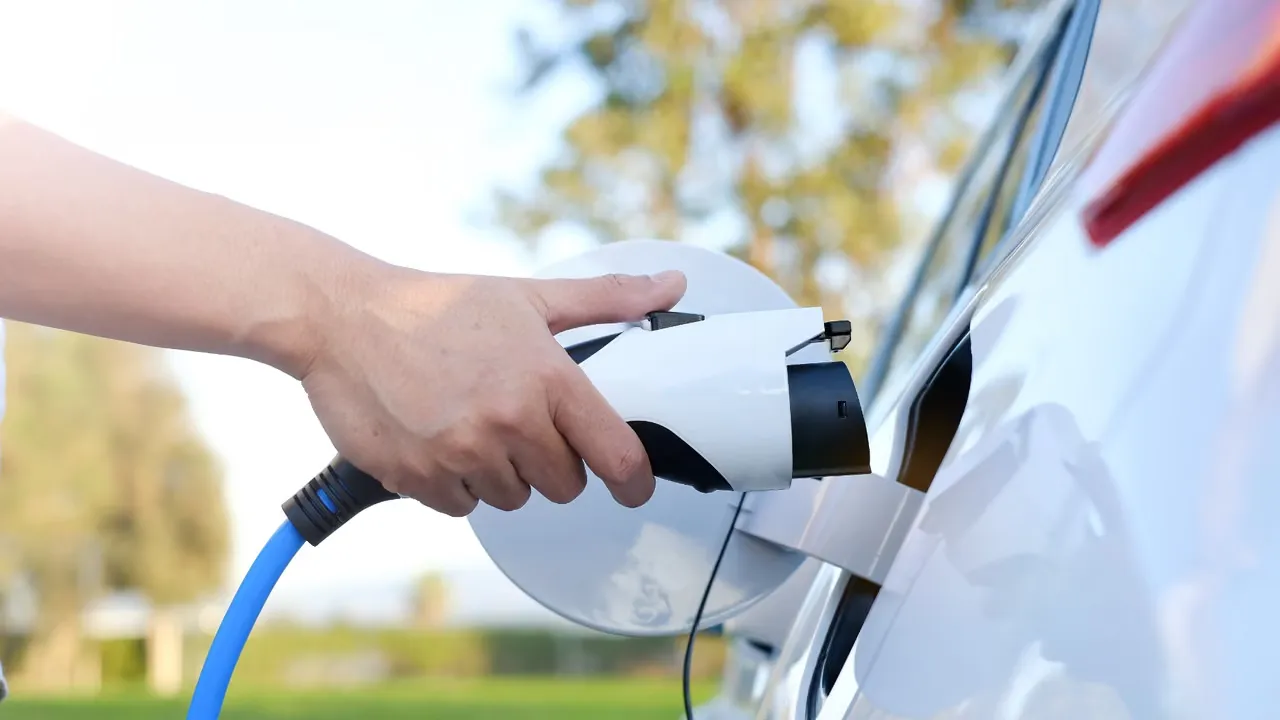
The first thing you need to know about home EV charging is EVSE, which stands for Electric Vehicle Supply Equipment. EVSE is the charging infrastructure that connects your EV to the electrical grid. It consists of a charging station, a power cord, and a plug. There are three main types of EVSE:
- Level 1: This is the most basic type of EVSE and is typically included with your EV purchase. It uses a standard 120-volt household outlet and provides a charging rate of around 4-5 miles of range per hour. Level 1 charging is suitable for overnight charging or for those who have limited daily driving needs.
- Level 2: Level 2 EVSE requires a 240-volt electrical circuit, similar to what an electric dryer or oven uses. It provides a faster charging rate, typically around 25-30 miles of range per hour. Level 2 charging is ideal for most EV owners as it offers a good balance between charging speed and cost.
- Level 3 (DC Fast Charging): Level 3 charging, also known as DC Fast Charging, is the fastest charging option available for EVs. It requires specialized equipment and a high-voltage power supply. Level 3 chargers can provide up to 80% charge in as little as 30 minutes, making them suitable for long-distance travel or quick top-ups on the go.
Smart Charging and Charge Scheduling
In addition to the type of EVSE, you may also want to consider smart charging and charge scheduling features. Smart charging allows you to optimize your charging based on factors such as electricity rates and grid demand. It can automatically adjust the charging rate to take advantage of lower electricity prices during off-peak hours.
Charge scheduling, on the other hand, allows you to set specific times for your EV to start and stop charging. This feature can be useful if you have time-of-use electricity rates or if you want to ensure that your EV is fully charged by a certain time in the morning. Some EVSEs even have smartphone apps that allow you to remotely control and monitor your charging sessions.
Considerations for Home EV Charging
Before installing a charging station at home, there are a few considerations you should keep in mind:
- Electrical Capacity: Make sure your electrical panel has enough capacity to handle the additional load of an EV charger. If necessary, you may need to upgrade your electrical service.
- Installation Cost: The cost of installing a home charging station can vary depending on factors such as the type of EVSE, electrical upgrades, and labor costs. It’s a good idea to get quotes from multiple installers to ensure you’re getting a fair price.
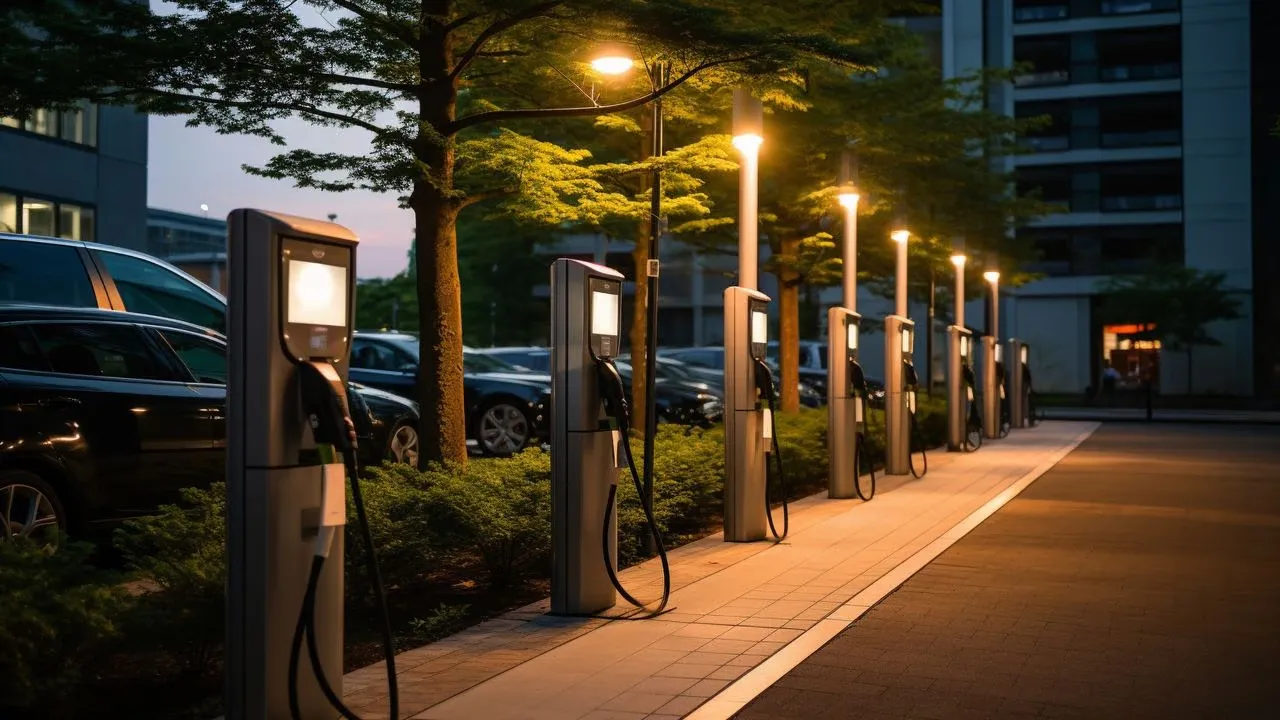
- Location: Consider the location of your charging station. It should be easily accessible and protected from the elements. If you have multiple EVs or plan to have guests charging their vehicles, you may need to install multiple charging stations or consider a higher-capacity EVSE.
- Future-Proofing: As EV technology continues to evolve, it’s important to future-proof your charging infrastructure. Look for EVSEs that are compatible with different EV models and have upgradeable firmware to support new features and charging standards.
Installing a charging station at home is a convenient and practical way to ensure your EV is always charged and ready to go. By understanding the different types of EVSE, considering smart charging and charge scheduling features, and keeping these considerations in mind, you can make an informed decision and enjoy the benefits of home EV charging.