

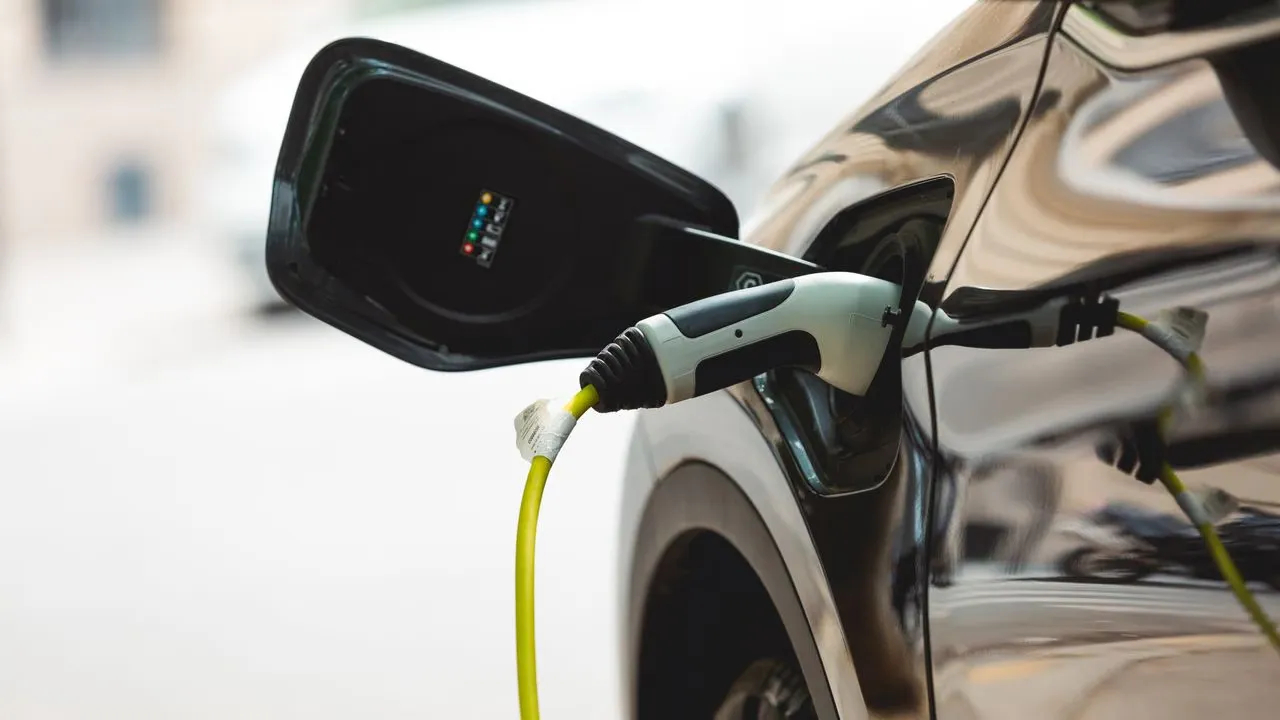
Optimizing EV Charging Decisions with Accurate Analytics
EV Charging Platform Analytics: Making Informed Decisions with Accurate Data
As the popularity of electric vehicles (EVs) continues to grow, so does the demand for reliable and efficient charging infrastructure. EV charging platform analytics play a crucial role in helping businesses and individuals make informed decisions regarding their charging needs. In this article, we will explore the importance of charging platform data accuracy and governance in optimizing the charging experience.
The Role of Charging Platform Decision-Making
Choosing the right EV charging platform is a significant decision for businesses and individuals alike. With various options available, it is essential to consider factors such as charging speed, network coverage, and user experience. This is where charging platform decision-making comes into play.
By leveraging analytics, businesses can evaluate the performance of different charging platforms and compare them based on their specific requirements. These analytics provide valuable insights into factors like charging station availability, user satisfaction, and charging speed. Armed with this information, decision-makers can choose a charging platform that best aligns with their needs.
The Importance of Charging Platform Data Accuracy
Accurate data is the foundation of effective decision-making. When it comes to EV charging platforms, data accuracy is crucial for ensuring a seamless charging experience. Charging platform data accuracy refers to the reliability and precision of the information collected and analyzed.
For instance, accurate data about charging station availability allows EV owners to plan their journeys more efficiently, avoiding unnecessary detours or delays. Similarly, accurate data about charging speed helps users estimate the time required for a full charge, enabling them to plan their charging sessions accordingly.
Moreover, accurate data is also vital for charging platform operators. It allows them to identify potential bottlenecks, optimize charging station utilization, and plan for future infrastructure expansion. Without accurate data, these decisions would be based on guesswork rather than reliable information.
The Role of Charging Platform Data Governance
Charging platform data governance refers to the policies and procedures in place to ensure the quality, security, and privacy of the data collected. It encompasses aspects such as data collection methods, data storage, access control, and data sharing.
Effective data governance is essential for building trust among users and stakeholders. EV owners need assurance that their personal information is protected and that the data collected about their charging sessions is used responsibly. Similarly, charging platform operators must ensure that the data they gather is secure and compliant with relevant regulations.
Furthermore, data governance plays a vital role in maintaining data accuracy. By implementing robust data validation processes and regularly auditing the data collected, charging platform operators can identify and rectify any inaccuracies or inconsistencies.
In Conclusion
EV charging platform analytics, driven by accurate data and effective data governance, empower businesses and individuals to make informed decisions regarding their charging needs. By leveraging these analytics, decision-makers can choose the right charging platform, optimize charging station utilization, and plan for future infrastructure expansion.
As the EV industry continues to evolve, charging platform analytics will play an increasingly important role in shaping the charging experience. By prioritizing data accuracy and implementing sound data governance practices, the industry can ensure a seamless and efficient charging infrastructure for all EV users.