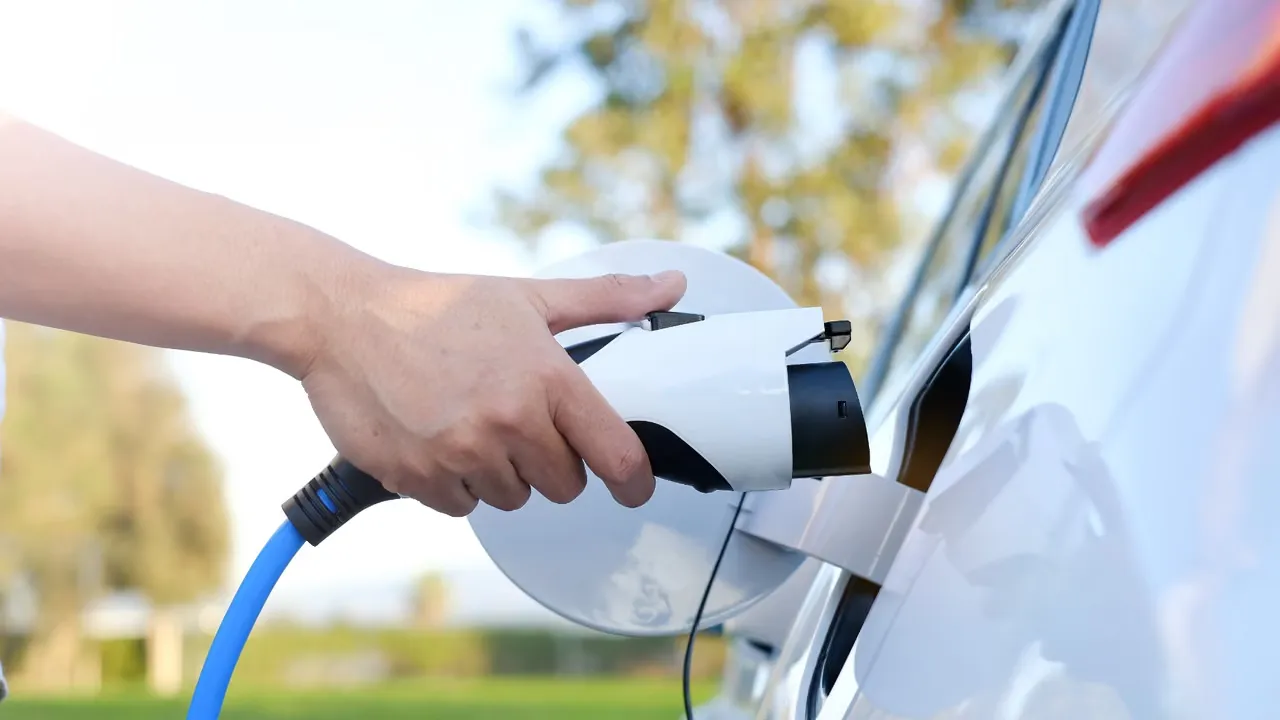


Optimizing EV Charging Infrastructure Monitoring
EV Charging Infrastructure Monitoring: Ensuring Efficiency and Reliability
As the demand for electric vehicles (EVs) continues to grow, the need for a robust and efficient charging infrastructure becomes increasingly important. EV charging infrastructure monitoring plays a crucial role in ensuring the smooth operation of charging stations, optimizing energy usage, and providing a seamless experience for EV owners. In this article, we will explore the significance of monitoring, historical data analysis, alerts, and energy efficiency in EV charging infrastructure.
Charging Infrastructure Historical Data Analysis
One of the key aspects of EV charging infrastructure monitoring is the analysis of historical data. By collecting and analyzing data from charging stations, operators can gain valuable insights into usage patterns, peak charging times, and overall performance. This data can help in identifying areas of improvement, optimizing charging station placement, and predicting future demand.
Historical data analysis enables operators to identify trends and patterns, allowing them to make informed decisions regarding infrastructure expansion and upgrades. For example, if data analysis reveals that a particular charging station consistently experiences high demand during certain hours, operators can consider adding more charging points or increasing the station’s capacity to meet the growing demand.
Charging Infrastructure Alerts
Timely alerts are crucial for maintaining the reliability and availability of EV charging infrastructure. Monitoring systems can be set up to provide real-time alerts for various conditions, such as equipment malfunctions, power outages, or abnormal usage patterns. These alerts allow operators to quickly address any issues and minimize downtime.
For instance, if a charging station experiences a sudden drop in power output or a malfunctioning connector, an alert can be sent to the operator, enabling them to dispatch maintenance personnel promptly. This proactive approach ensures that charging stations are operational and available for use, enhancing customer satisfaction and reducing potential revenue loss.
Charging Infrastructure Energy Efficiency
Energy efficiency is a crucial aspect of EV charging infrastructure monitoring. By monitoring energy consumption and optimizing charging processes, operators can minimize energy waste and reduce operational costs. Energy efficiency not only benefits the environment but also contributes to the overall sustainability of the charging infrastructure.
Monitoring systems can provide insights into charging station energy usage, identifying inefficiencies and suggesting improvements. For example, if a charging station consistently consumes more energy than necessary, operators can investigate potential issues, such as faulty equipment or improper charging protocols. By addressing these inefficiencies, operators can reduce energy consumption and improve the overall efficiency of the charging infrastructure.
Furthermore, monitoring systems can enable operators to implement smart charging strategies. By leveraging historical data and real-time information, charging stations can be programmed to optimize energy usage based on factors such as grid demand, renewable energy availability, and EV owner preferences. Smart charging helps balance the load on the grid, reduce peak demand, and ensure a more sustainable and efficient charging process.
Conclusion
EV charging infrastructure monitoring, historical data analysis, alerts, and energy efficiency are all essential components of a reliable and efficient charging network. By leveraging these monitoring capabilities, operators can optimize charging station placement, address issues promptly, and reduce energy waste. As the demand for EVs continues to rise, investing in robust monitoring systems becomes increasingly important to ensure a seamless charging experience for EV owners and contribute to a sustainable future.