

Optimizing EV Charging Platforms for Efficiency and Privacy
EV Charging Platform Analytics: Optimizing Efficiency and Ensuring Data Privacy
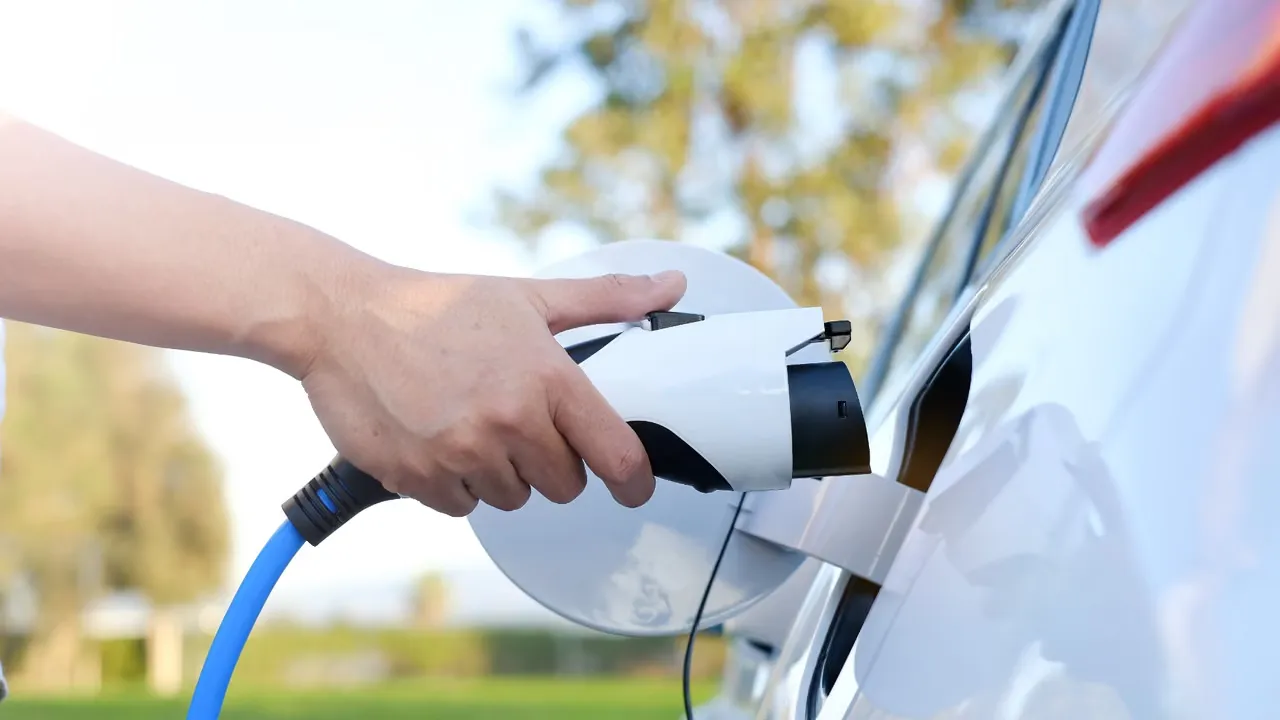
As the world moves towards a more sustainable future, electric vehicles (EVs) are becoming increasingly popular. With the rise in EV adoption, the need for efficient and reliable charging infrastructure is paramount. This is where EV charging platforms come into play, providing a seamless experience for EV owners to charge their vehicles. However, optimizing these platforms for efficiency and ensuring data privacy are two crucial aspects that need to be addressed.
Charging Platform Optimization
Efficiency is key when it comes to EV charging platforms. The goal is to minimize downtime and maximize the utilization of charging stations. This can be achieved through the implementation of advanced analytics. By analyzing data such as charging patterns, peak usage times, and station availability, charging platform operators can optimize the charging process.
One way to optimize charging platforms is through demand forecasting. By analyzing historical data, operators can predict future charging demands and allocate resources accordingly. This helps in avoiding congestion and ensures that charging stations are available when needed. Additionally, by identifying peak usage times, operators can incentivize users to charge their vehicles during off-peak hours, balancing the load on the grid.
Another aspect of optimization is the integration of renewable energy sources. By analyzing weather data and energy generation patterns, charging platforms can prioritize the use of renewable energy when it is most abundant. This not only reduces the carbon footprint but also helps in stabilizing the grid by utilizing excess renewable energy.
Charging Platform Data Privacy
While optimizing charging platforms is crucial, it is equally important to address data privacy concerns. EV charging platforms collect a vast amount of data, including user information, charging history, and location data. Protecting this data is of utmost importance to ensure user trust and comply with privacy regulations.
One way to ensure data privacy is through anonymization techniques. By removing personally identifiable information from the collected data, charging platform operators can protect user identities while still being able to analyze the data for optimization purposes. Additionally, implementing strict access controls and encryption protocols further enhances data security.
Transparency is another key aspect of data privacy. Charging platform operators should clearly communicate their data collection practices and provide users with the option to opt out if they choose to do so. By being transparent about how data is collected, stored, and used, operators can build trust with their users and ensure compliance with privacy regulations.
Charging Platform Data Storage
The storage of charging platform data is another critical factor to consider. With the increasing amount of data being generated, it is essential to have a robust and scalable storage infrastructure in place.
Cloud storage solutions offer scalability and flexibility, allowing charging platform operators to store and analyze large amounts of data efficiently. Cloud providers also offer advanced security features, ensuring data privacy and protection against potential breaches.
However, it is important to carefully select cloud providers and ensure they comply with relevant data protection regulations. Operators should also regularly backup data and implement disaster recovery plans to mitigate the risk of data loss.
Conclusion
Optimizing EV charging platforms and ensuring data privacy are crucial for the widespread adoption of electric vehicles. By leveraging advanced analytics, operators can optimize the charging process, minimize downtime, and balance the load on the grid. Protecting user data through anonymization techniques, strict access controls, and transparent data practices builds trust and ensures compliance with privacy regulations. Additionally, implementing scalable and secure data storage solutions is essential to handle the increasing amount of data generated by charging platforms. By addressing these aspects, EV charging platforms can provide a seamless and secure experience for EV owners, driving the transition towards a sustainable future.