
Overcoming Electric Fleet Challenges
Electric Cars in the Commercial and Fleet Sector: Overcoming Fleet Electrification Challenges
Electric cars have gained significant popularity in recent years, with individuals embracing the environmental and cost-saving benefits they offer. However, the adoption of electric vehicles in the commercial and fleet sector poses unique challenges that need to be addressed for widespread implementation.
The Rise of Commercial Electric Vehicles
Commercial electric vehicles (EVs) are gaining traction as businesses recognize the advantages they bring. From delivery vans to trucks, companies are realizing the potential of EVs in reducing operational costs and minimizing their carbon footprint.
One of the key benefits of commercial EVs is the significant reduction in fuel costs. With the price of electricity being considerably lower than gasoline or diesel, businesses can save a substantial amount of money on fuel expenses. Additionally, electric vehicles require less maintenance, resulting in further cost savings for fleet operators.
Furthermore, commercial EVs contribute to a cleaner environment by reducing greenhouse gas emissions. As businesses strive to become more sustainable, electric vehicles play a crucial role in achieving their environmental goals.
Challenges in Fleet Electrification
While the advantages of commercial EVs are evident, fleet electrification presents several challenges that need to be overcome for widespread adoption.
1. Limited Charging Infrastructure
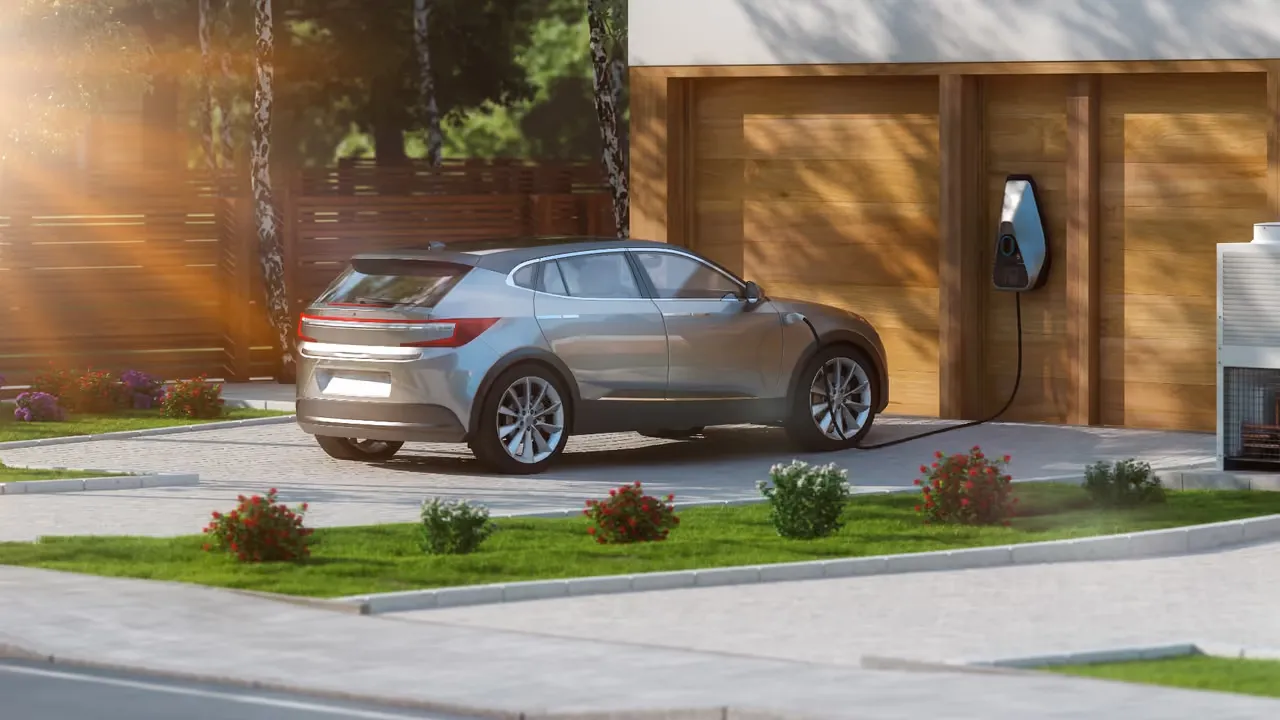
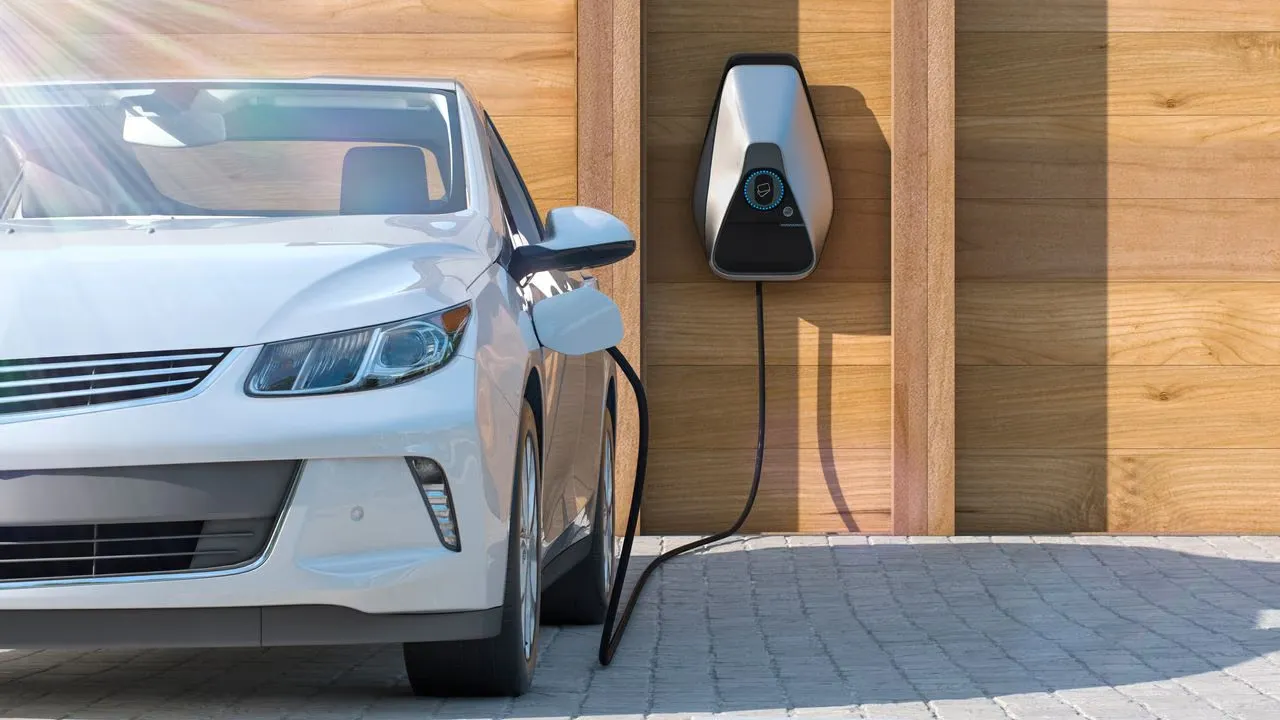
One of the primary concerns for fleet operators is the availability of charging infrastructure. Unlike individual EV owners who can charge their vehicles at home, commercial vehicles require a reliable and extensive charging network to support their operations.
Installing charging stations at depots and along delivery routes is essential to ensure uninterrupted operations. Collaborations between governments, utility companies, and private businesses are crucial in expanding the charging infrastructure to meet the growing demand for commercial EVs.
2. Range Anxiety
Range anxiety, the fear of running out of battery power, is a significant obstacle to fleet electrification. Businesses rely on their vehicles to cover long distances, and any limitations in range can disrupt their operations.
Addressing range anxiety requires the development of EVs with improved battery technology, allowing for longer ranges between charges. Additionally, establishing a robust network of fast-charging stations along major transportation routes can alleviate concerns about running out of power.
3. High Initial Costs
While the long-term cost savings of commercial EVs are evident, the initial purchase price remains a barrier for many fleet operators. Electric vehicles tend to have a higher upfront cost compared to their conventional counterparts.
However, as technology advances and economies of scale come into play, the price of electric vehicles is expected to decrease. Government incentives and subsidies can also help offset the initial investment, making electric vehicles more accessible to fleet operators.
Electric Taxis: A Promising Market
Electric taxis have emerged as a promising market within the commercial sector. Many cities around the world are encouraging the adoption of electric taxis to reduce air pollution and improve urban air quality.
Electric taxis offer numerous benefits, including reduced noise pollution, lower operating costs, and improved passenger experience. Additionally, electric taxis can contribute to the overall sustainability goals of cities by reducing emissions from the transportation sector.
However, the challenges faced by electric taxis are similar to those in the broader commercial sector. The availability of charging infrastructure and concerns about range anxiety need to be addressed to ensure the successful adoption of electric taxis on a larger scale.
Conclusion
Electric cars have the potential to revolutionize the commercial and fleet sector, offering cost savings and environmental benefits. However, challenges such as limited charging infrastructure, range anxiety, and high initial costs must be overcome for widespread fleet electrification. With concerted efforts from governments, businesses, and technology advancements, these challenges can be addressed, paving the way for a greener and more sustainable future in the commercial and fleet sector.