
Public Chargers Transform Suburban Parking
Electric vehicles are no longer a niche trend confined to bustling city centers. As adoption spreads into suburban neighborhoods, the ripple effects are transforming how these communities are designed, built, and powered. The shift towards EVs demands a rethinking of infrastructure, traffic patterns, and even the way neighbors interact with their local environment.
Suburban EV Charging Infrastructure Challenges and Solutions
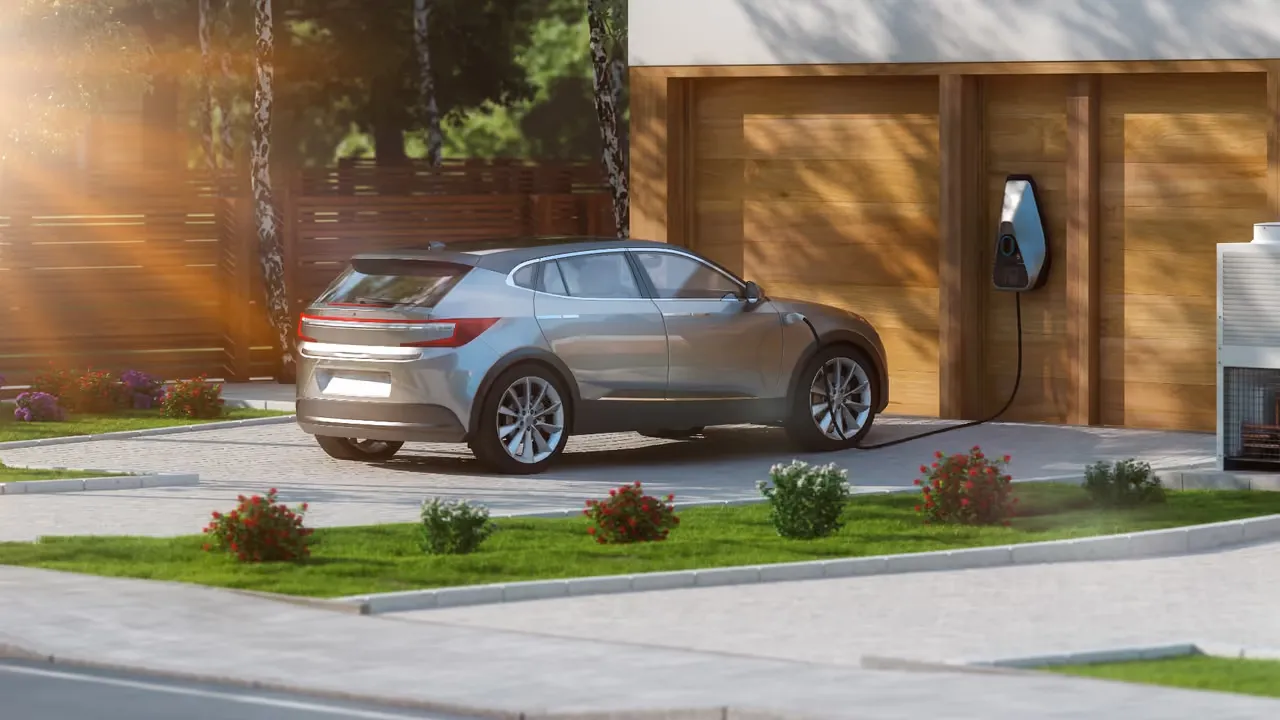
Unlike urban areas where multi-unit dwellings often have shared parking garages that can be converted into charging hubs, suburban homes typically feature individual driveways and private garages. This setup seems ideal for home charging but presents unique challenges.
First, many older suburban houses lack the electrical capacity to install Level 2 chargers, which offer faster charging than a standard outlet. Upgrading home electrical panels can be costly and disruptive. Additionally, not all suburban residents own garages; street parking remains common in many neighborhoods, making at-home charging impractical for some.
To address these issues, suburbs are beginning to adopt varied approaches:
- Neighborhood charging stations: Instead of relying solely on home chargers, local governments and utilities are installing public charging hubs in communal areas such as parks, shopping centers, and near schools. These stations are designed with multiple charging points to serve many vehicles simultaneously.
- Smart grid integration: Utilities are deploying smart meters and grid management systems that optimize charging times to off-peak hours, reducing strain on local transformers and preventing costly infrastructure upgrades.
- Incentives and streamlined permits: Many suburban municipalities are simplifying the permit process for home charger installations and providing rebates to encourage upgrades to electrical systems.
Impact of EVs on Suburban Traffic Flow and Parking Designs
The rise of EVs is nudging planners to rethink the very layout of streets and parking lots. Electric vehicles, especially those with autonomous features, influence how traffic moves and how parking spaces are utilized.
Suburban parking lots, traditionally designed for internal combustion vehicles, are being retrofitted with charging stations that require more space per stall to accommodate cables and equipment. This reduces the number of available spaces unless the lot is expanded or redesigned.
Moreover, some suburbs are experimenting with “dynamic” parking designs. These incorporate flexible stalls that can switch between EV charging and standard parking based on demand and time of day. This fluid use of space helps avoid parking congestion, especially in commercial zones.
Traffic flow is also affected by the presence of charging stations. Areas around chargers can experience increased dwell times as drivers wait for their cars to charge. To mitigate this, planners are creating pull-through lanes and designated “charging zones” that prevent bottlenecks from forming on main roads.
Incorporating Renewable Energy Sources in Suburban EV Ecosystems
The environmental promise of EVs is best realized when the electricity powering them comes from clean, renewable sources. Suburban neighborhoods are uniquely positioned to integrate solar, wind, and even battery storage systems into their local EV ecosystems.
- Solar rooftops and carports: Many suburban homes have ample roof space for solar panels. Carports equipped with solar arrays not only provide shade but also generate power directly for EV charging stations beneath them.
- Community solar projects: For residents unable to install panels, shared solar farms offer a way to access renewable energy. These projects feed clean electricity into the local grid, lowering the carbon footprint of EV charging.
- Home energy storage: Battery systems paired with solar installations allow households to store excess energy generated during the day for nighttime EV charging or general use, increasing energy independence.
Utilities are also exploring vehicle-to-grid (V2G) technologies in suburbs. This enables parked EVs to feed electricity back into the grid during peak demand, turning them into decentralized energy resources and helping stabilize local power supply.
Community Planning for EV-Friendly Suburban Lifestyles
Adapting suburbs for EVs goes beyond infrastructure—it requires intentional community planning that supports new lifestyles centered around electric mobility.
Developers are incorporating EV readiness into new housing projects, mandating built-in wiring for chargers and dedicating shared charging hubs within residential complexes. This preemptive approach reduces retrofit costs and future-proofs neighborhoods.
Local governments are also revising zoning codes to encourage mixed-use developments that decrease reliance on long commutes, pairing walkable neighborhoods with EV car-sharing programs and expanded public transit options.
Furthermore, suburban schools, libraries, and community centers are becoming focal points for EV education and outreach, hosting workshops on benefits, maintenance, and incentives. This builds awareness and accelerates adoption among residents.
In some forward-thinking suburbs, planners are experimenting with “green corridors” — streets lined with fast chargers, bike lanes, and pedestrian paths — that promote sustainable transportation modes alongside EV use.