
Quiet Roads Bring Changes to Nature
Have you ever wondered how the quiet hum of an electric vehicle might ripple through the natural world?
The Subtle Impact of EV Noise Reduction on Animal Behavior
Electric vehicles glide through streets and rural roads with a silence that’s almost eerie compared to their gas-guzzling predecessors. This isn’t just a win for human ears; it’s a seismic shift for wildlife accustomed to the constant roar of internal combustion engines. Many animals rely on sound to navigate their environment, communicate, and even avoid predators. The reduction in engine noise could be altering these natural soundscapes in ways we are only beginning to understand.
For instance, some studies suggest that the calmer sound environment created by EVs may encourage species that are usually shy or nocturnal to venture out more during daylight hours. Birds, sensitive to noise pollution, could change their song patterns, either becoming more vocal or less, depending on the new acoustic backdrop. On the flip side, the near silence of EVs might make them harder for animals to detect, increasing the risk of vehicle-wildlife collisions, especially in regions where roads intersect with animal corridors.
Charging Infrastructure Expansion and Habitat Fragmentation
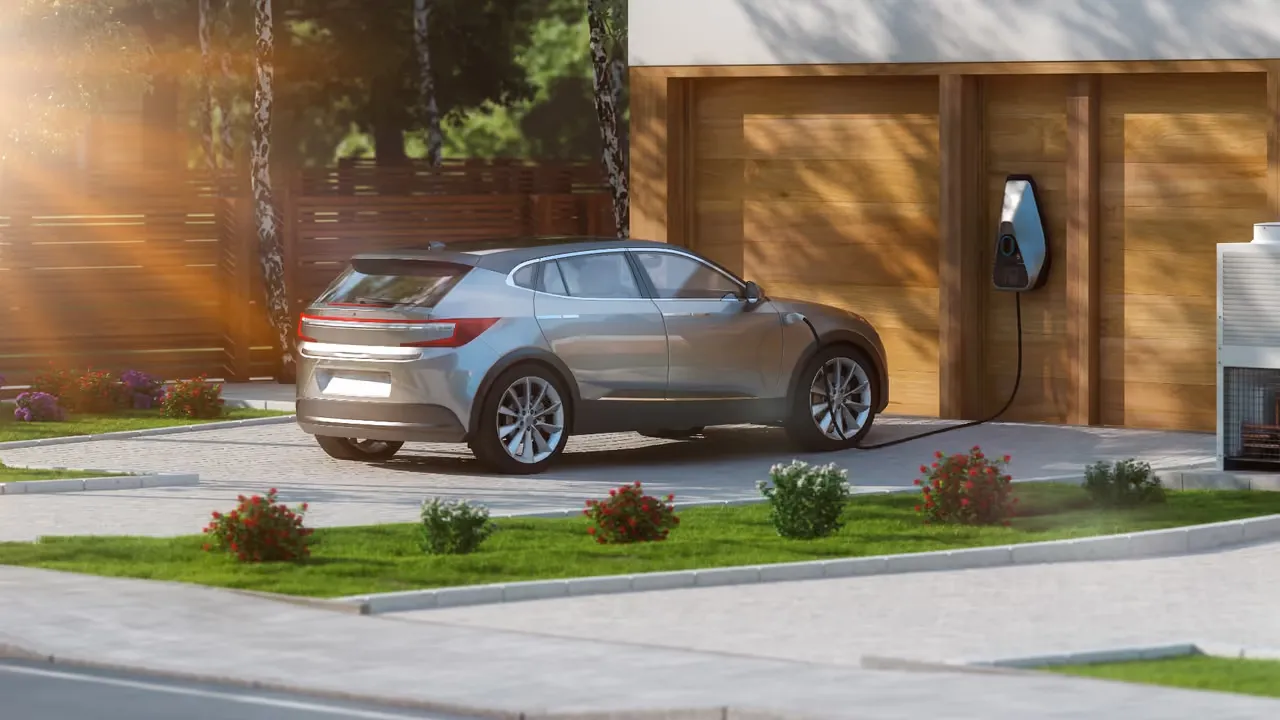
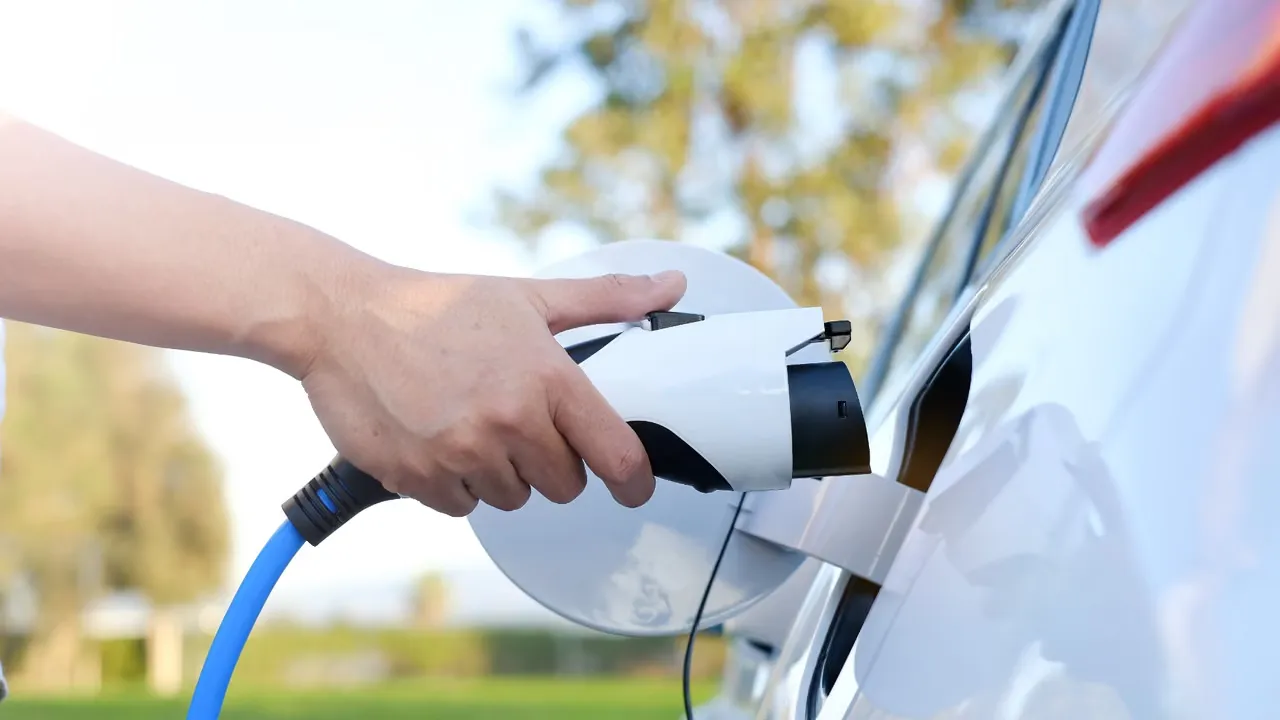
Transitioning to electric vehicles isn’t just about the cars themselves; it’s about the network of charging stations that must spread out to meet demand. These installations often require new land use, particularly in rural and semi-wild areas, leading to a creeping fragmentation of habitats.
Where a gas station might have already existed, an EV charging hub can often be integrated without much additional disruption. But as networks expand into less developed areas—think roadside rest stops, shopping centers, and even remote highways—the cumulative effect is less benign. Roads and charging stations carve up the landscape, creating barriers for animals who need to roam freely to find food, mates, or new territory.
Fragmented habitats can isolate populations, reduce genetic diversity, and increase vulnerability to environmental stresses. The placement of charging infrastructure, if done without ecological foresight, risks turning natural corridors into a patchwork of disconnected islands.
Opportunities for EV Technology to Support Conservation Efforts
It’s not all a story of disruption. The rise of EVs also opens doors for innovations that could benefit wildlife and habitats. For example, the quieter nature of electric vehicles presents an opportunity for eco-tourism initiatives that minimize disturbance to sensitive species.
Moreover, advancements in EV battery technology and energy storage are driving interest in portable and off-grid power solutions. Conservation projects, especially those in remote locations, could harness these technologies for powering research stations, camera traps, or electric fencing without relying on noisy generators. This reduces pollution and disturbance in fragile ecosystems.
EV manufacturers and environmentalists are also exploring partnerships to develop “wildlife-friendly” charging stations. These might include features such as native vegetation buffers, wildlife crossings, or even integrated sensors that monitor animal movement and alert drivers, reducing collision risks.
Balancing EV Growth with Ecological Preservation
The challenge lies in embracing electric vehicles as a tool for reducing carbon emissions while safeguarding the very ecosystems that sustain us. Strategic planning is crucial, especially when it comes to site selection for infrastructure. Prioritizing existing developed areas for charging stations and incorporating wildlife corridors into road designs can mitigate some of the habitat fragmentation issues.
Additionally, incorporating animal behavior research into transportation planning can help predict and prevent negative impacts. For example, understanding how different species respond to the quieter approach of EVs could inform speed limits or warning systems in sensitive zones.
Ultimately, the EV revolution is a complex dance between technology and nature. As electric vehicles become more common, their silent presence on roads is already reshaping the rhythms of the wild in unexpected ways. Paying attention to these subtle shifts offers a chance to harmonize human progress with ecological integrity rather than letting one trample the other.