
Redesigning Cars for a Battery-Powered Future
Look closely at the latest electric cars, and you’ll see more than just a shift from gasoline engines to batteries. The arrival of electric drivetrains has sparked a radical rethink in automotive design, pushing manufacturers to innovate in areas that go far beyond the powertrain itself. From aerodynamic profiles to the materials used, and from interior layouts to integrated technology, electric vehicles (EVs) are reshaping what it means to design a car in the 21st century.
Redefining aerodynamics for electric efficiency
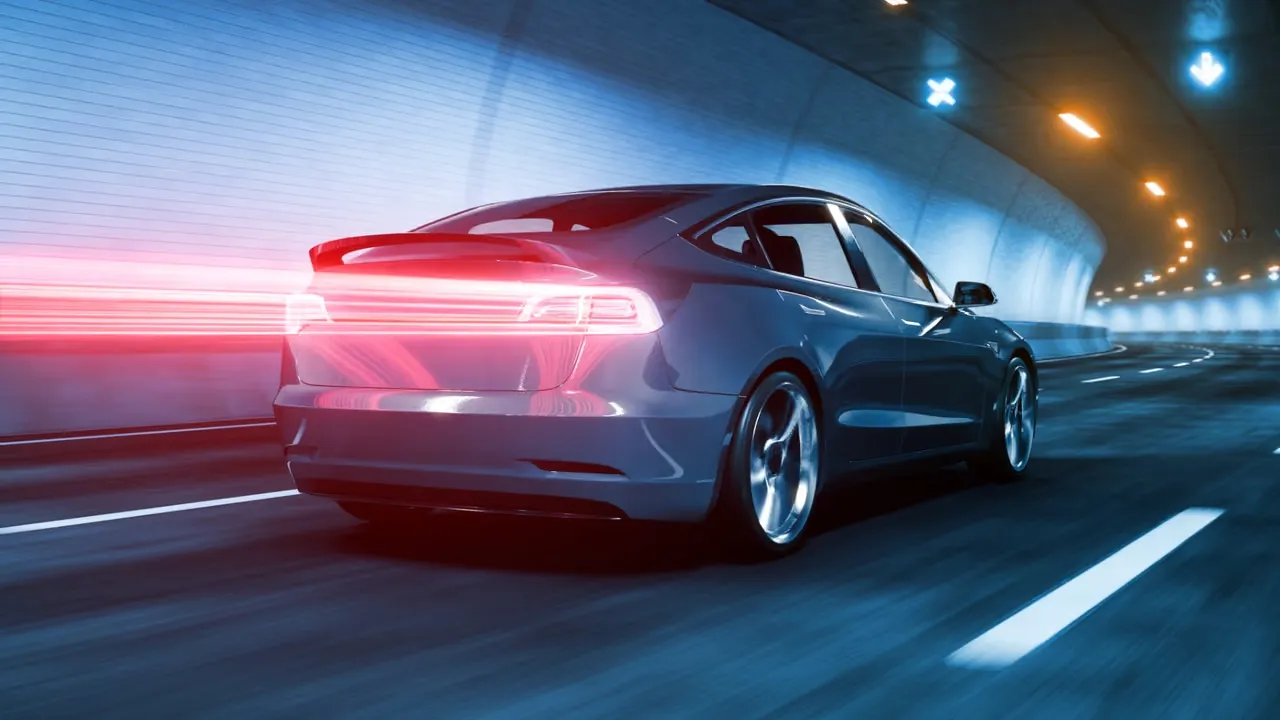
Electric cars demand efficiency in every watt-hour, and that has made aerodynamics a top priority in their design. Traditional internal combustion engine (ICE) vehicles often had to balance airflow with engine cooling needs, exhaust systems, and radiator placements. EVs, however, have fewer cooling requirements and no bulky engine upfront, allowing designers to push the boundaries of shape and airflow optimization.
Take for example the smooth, almost teardrop-like silhouettes of many modern electric models. These shapes aren’t just for style—they minimize drag to extend driving range. The Tesla Model 3, widely praised for its aerodynamic prowess, boasts a drag coefficient (Cd) of just 0.23, one of the lowest in production cars. Other manufacturers are following suit with flush door handles, active grille shutters that close at high speeds, and underbody panels designed to smooth airflow underneath the car.
This focus on aerodynamics also influences every element from side mirrors—often replaced with cameras—to rooflines that curve seamlessly into rear spoilers. The goal is clear: reduce wind resistance so the battery can power the car further on a single charge.
Innovative materials shaping lighter and safer EVs
Electric cars carry heavy battery packs, often hundreds of kilograms, which poses challenges for weight and structural integrity. To compensate, automakers are turning to innovative materials that are both lightweight and strong.
Aluminum and high-strength steel have long been staples, but the surge in EV production has accelerated the use of carbon fiber composites and advanced polymers. These materials help shave off weight without compromising safety. For instance, the BMW i3 employs a carbon fiber reinforced plastic passenger cell, which is both light and incredibly rigid, offering crash protection that rivals traditional steel frames.
At the same time, battery enclosures are designed to be robust, protecting cells from impact while integrating seamlessly into the vehicle’s chassis. This integration not only enhances safety but also improves structural stiffness, resulting in better handling dynamics.
This material innovation does more than offset battery weight; it opens new doors for design freedom. Lightweight structures allow for lower centers of gravity and more responsive steering, qualities that redefine driving enjoyment in EVs.
The evolution of interior design in electric cars
Without the constraints of a bulky engine or transmission tunnel, electric cars offer designers a blank canvas inside. The absence of a traditional powertrain means more cabin space, more flexible layouts, and a fresh approach to ergonomics and user experience.
One of the most noticeable changes is the flat floor. This simple design tweak creates a spacious feeling inside, often allowing for more legroom and creative seating arrangements. Some EVs even feature lounge-like interiors, with rear seats that recline or swivel, transforming the cabin into a comfortable living space rather than just a cockpit.
Dashboard design is also evolving. Many EVs ditch traditional gauges for expansive digital displays that stretch across the dash, providing customizable information and entertainment options. Minimalist controls, touch-sensitive panels, and voice-activated interfaces reduce clutter and put the driver in control without distraction.
Materials inside the cabin reflect the sustainability ethos of electric vehicles, too. Recycled fabrics, vegan leather, and natural fibers are becoming common, signaling a move toward eco-conscious luxury.
How integrated technology is driving design changes
Technology is not just a feature in electric cars; it’s a design driver. The integration of sensors, cameras, and connectivity modules influences everything from exterior styling to interior layouts.
For instance, advanced driver-assistance systems (ADAS) require the placement of radar and lidar sensors, which affects front grille design and bumper shapes. Some EVs incorporate these elements so seamlessly that they almost disappear, maintaining clean lines without compromising functionality.
Inside, connectivity demands constant power and data flow, prompting designers to rethink how charging ports, USB connections, and wireless charging pads are positioned. The integration of smart assistants and infotainment systems also shapes the dashboard and center console, blending technology with user-friendly design.
Moreover, over-the-air updates allow manufacturers to improve vehicle performance and add features remotely, which means interior controls and display systems must be adaptable. This ongoing software evolution encourages modular hardware design that can accommodate future changes without requiring a complete redesign.
The push towards autonomous driving further influences design choices. Without the need for constant driver input, some EV interiors are experimenting with more relaxed seating arrangements, adjustable steering columns, and enhanced ambient lighting to create a more comfortable and social environment.