

Revolutionizing Transportation: Autonomous Driving and Electric Cars
Autonomous Driving and Electric Cars: Revolutionizing the Future of Transportation
Welcome to the era of autonomous driving and electric cars! With advancements in technology, the automotive industry is undergoing a significant transformation. Artificial intelligence (AI) is at the forefront of this revolution, enabling self-driving vehicles to navigate our roads and reducing our dependency on fossil fuels. In this article, we will explore the concepts of autonomous driving, electric cars, and their impact on mobility-as-a-service and vehicle safety.
The Rise of Autonomous Driving
Autonomous driving refers to the ability of a vehicle to operate without human intervention. This technology relies on AI algorithms and sensors to perceive its surroundings, make decisions, and navigate safely. The potential benefits of autonomous driving are vast, including improved road safety, reduced traffic congestion, and increased accessibility for individuals with limited mobility.
One of the key components of autonomous driving is artificial intelligence. AI systems analyze data from various sensors, such as cameras, lidar, and radar, to create a detailed understanding of the vehicle’s environment. This information is then used to make real-time decisions, such as when to accelerate, brake, or change lanes. By continuously learning from their experiences, AI-powered autonomous vehicles become smarter and more capable over time.
Electric Cars: A Sustainable Alternative
Electric cars, also known as electric vehicles (EVs), are powered by electricity instead of gasoline or diesel. They offer a cleaner and more sustainable alternative to traditional combustion engine vehicles, reducing greenhouse gas emissions and air pollution. EVs are propelled by electric motors, which are more energy-efficient and require less maintenance compared to internal combustion engines.
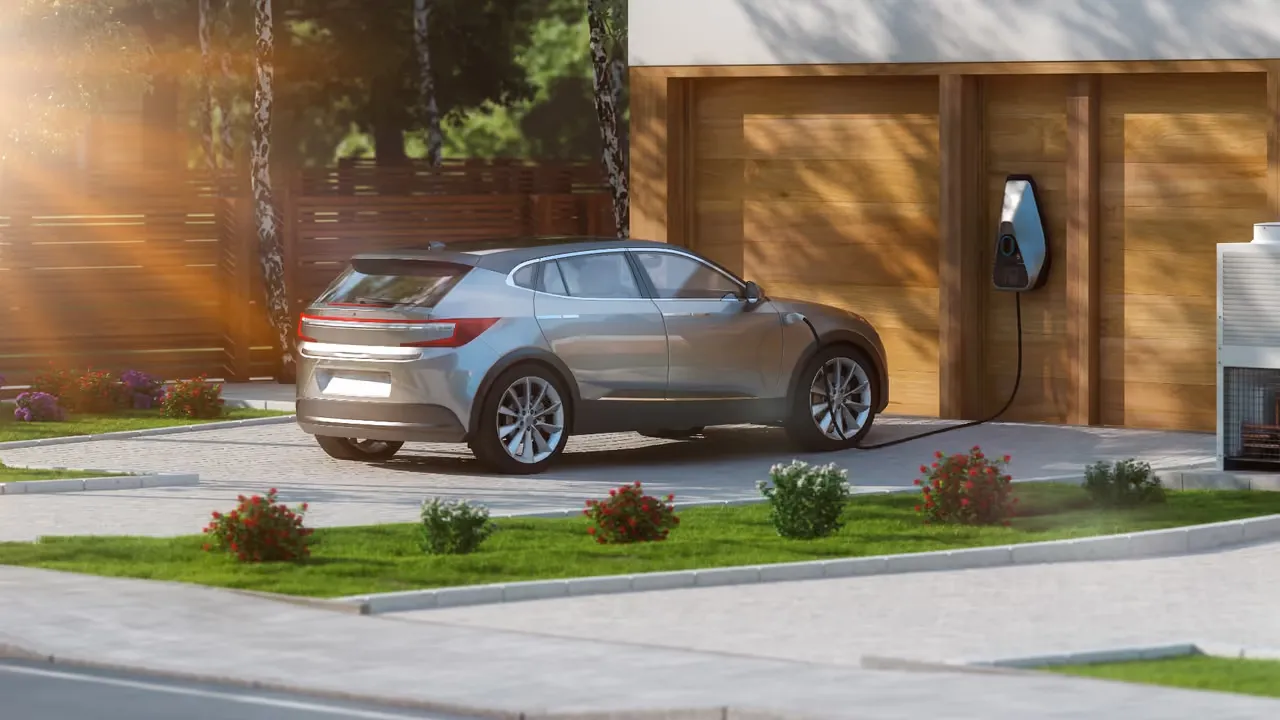
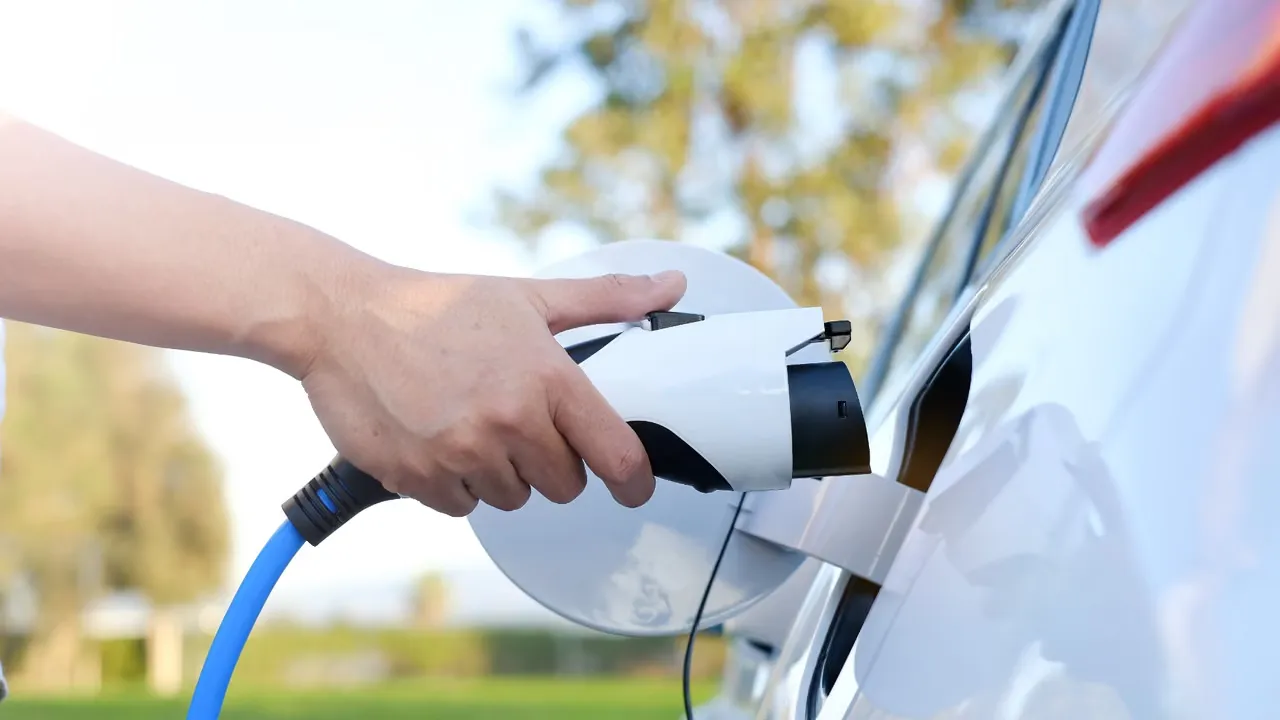
With the increasing popularity of electric cars, the demand for charging infrastructure has grown. Charging stations are now widely available, making it easier for EV owners to recharge their vehicles. Additionally, advancements in battery technology have extended the range of electric cars, alleviating concerns about limited driving distances.
Mobility-as-a-Service: Redefining Transportation
Mobility-as-a-Service (MaaS) is a concept that aims to provide convenient and efficient transportation services to individuals. It integrates various modes of transportation, such as public transit, ride-sharing, and car-sharing, into a single platform. Autonomous driving and electric cars play a crucial role in realizing the vision of MaaS.
Autonomous vehicles can be deployed as part of ride-sharing services, allowing users to request a self-driving car through a mobile app. This not only reduces the need for private vehicle ownership but also optimizes the utilization of vehicles, leading to reduced traffic congestion and environmental impact.
Electric cars, when integrated into MaaS, contribute to a greener and more sustainable transportation system. By promoting the use of electric vehicles for shared mobility, MaaS providers can help reduce carbon emissions and improve air quality in urban areas.
Ensuring Autonomous Vehicle Safety
As autonomous driving technology evolves, ensuring the safety of self-driving vehicles is of paramount importance. Manufacturers and researchers are actively working on developing robust safety systems and protocols.
Autonomous vehicles are equipped with a multitude of sensors and redundant systems to detect and mitigate potential hazards. These systems continuously monitor the vehicle’s surroundings and are designed to respond to unexpected events, such as pedestrians crossing the road or sudden changes in traffic conditions.
Regulatory bodies are also working on establishing safety standards and guidelines for autonomous vehicles. These regulations aim to ensure that self-driving cars meet stringent safety requirements before they are deployed on public roads.
In Conclusion
The convergence of autonomous driving and electric cars is revolutionizing the future of transportation. Artificial intelligence powers autonomous vehicles, enabling them to navigate our roads safely and efficiently. Electric cars offer a sustainable alternative to traditional combustion engine vehicles, reducing emissions and promoting cleaner air. Together, these technologies are reshaping the concept of mobility-as-a-service and paving the way for a greener and more convenient transportation system.