
Rural Roads Embrace Electric Vehicle Growth
What happens when electric vehicles start rolling through the quiet backroads of rural America, far from the bustling urban centers where EVs usually steal the spotlight? The story of EV adoption has often been told as a tale of cities pushing toward cleaner, smarter transportation. But the ripple effects in rural communities—places where distances are long, infrastructure is sparse, and economies can be fragile—are equally compelling, complex, and surprisingly transformative.
Rural EV Adoption Overcoming Unique Challenges
Rural areas face a set of hurdles that big cities rarely contend with when it comes to electric vehicles. The most obvious is infrastructure—or the lack of it. Public charging stations are thin on the ground, and long driving distances mean range anxiety is not a trivial worry. For many residents, the notion of an EV is still tangled up with myths about limited capability and impracticality.
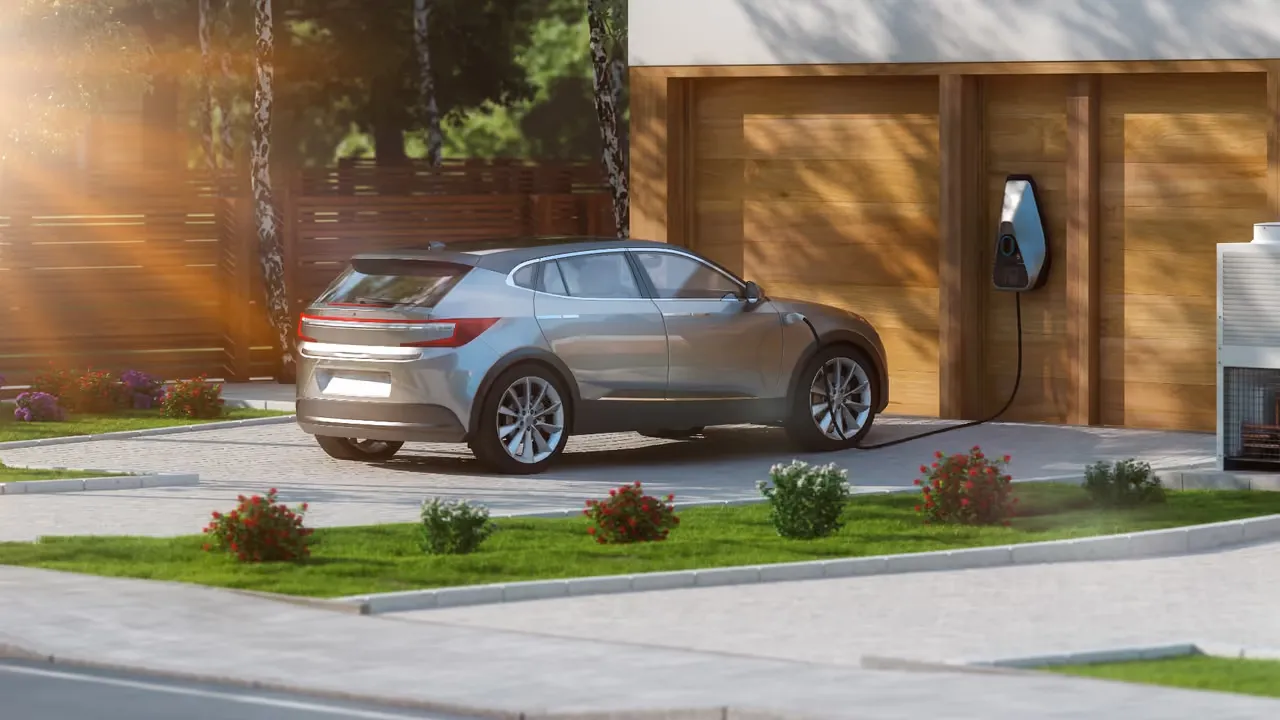
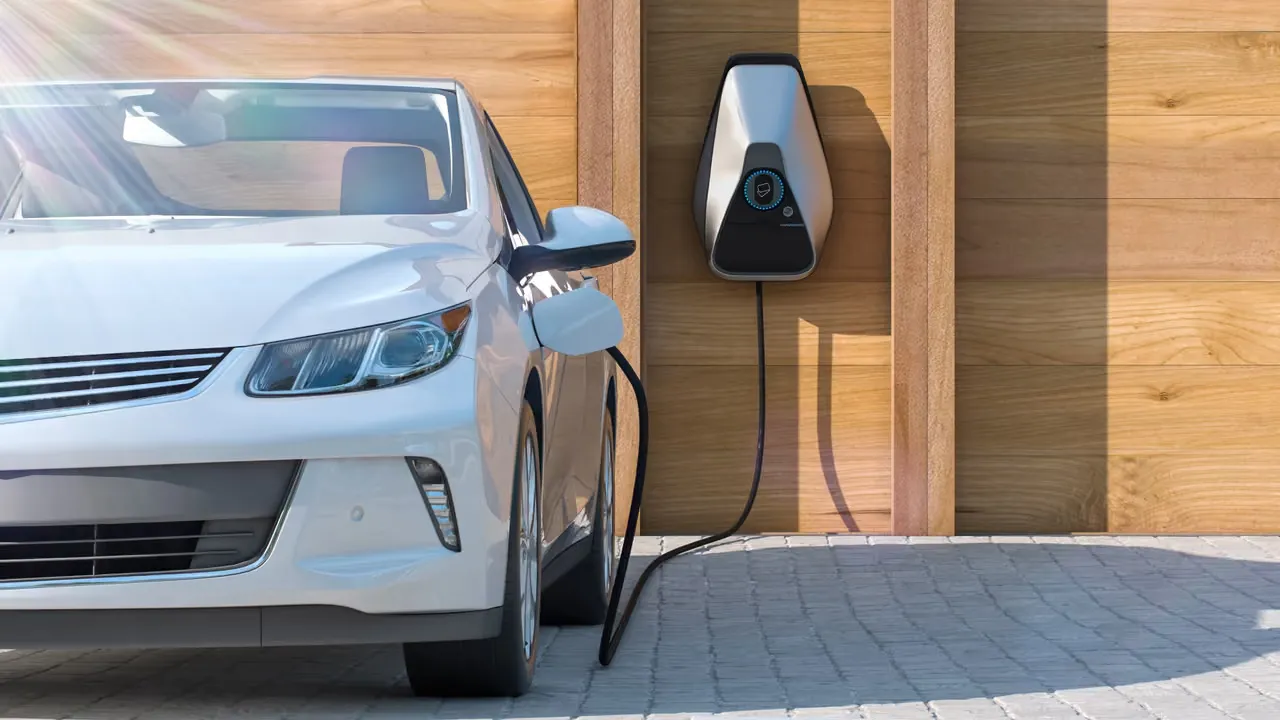
But these challenges are starting to be tackled head-on. Local cooperatives and state programs are stepping in to fund charging stations along rural highways and in town centers. Some rural EV owners are even installing chargers at home powered by solar panels, turning their properties into mini energy hubs. These innovations create a patchwork of solutions that slowly knit together a viable network.
Another factor is vehicle cost. Rural households often have tighter budgets and depend on used vehicles, making the upfront price of new EVs daunting. Yet, the growing availability of affordable used EVs and incentives aimed specifically at rural buyers are beginning to change that dynamic. It's not just about buying new; it's about making EVs accessible and practical for rural lifestyles.
Economic Impacts of EV Integration in Rural Communities
EV adoption is quietly reshaping rural economies in ways that go beyond cleaner air and quieter roads. One immediate impact is on local businesses. Gas stations, once a staple in small towns, are evolving or being replaced with charging hubs and convenience stores that cater to EV travelers. This shift is creating new business models and opportunities.
Moreover, the push for EV infrastructure is generating skilled jobs in installation, maintenance, and even manufacturing in some regions. Rural areas have the potential to become hubs for battery recycling and EV-related services, tapping into the growing green economy. This diversification can be a lifeline for communities traditionally reliant on agriculture or resource extraction.
Farmers and ranchers themselves are starting to see benefits. Electric tractors and machinery are on the horizon, promising to cut fuel costs and reduce noise pollution. Some are experimenting with EV pickup trucks that fit their practical needs without the emissions guilt. This gradual integration into everyday rural work life signals a broader economic transformation.
Changing Social Dynamics and Connectivity in Rural Areas
The adoption of EVs is doing more than just altering economic landscapes; it’s subtly shifting social fabric and connectivity in rural communities. With more reliable charging infrastructure, rural residents find themselves less isolated, able to travel with confidence to nearby towns and cities without the logistical headache of finding a gas station.
There’s also an element of pride and identity emerging. Early adopters become local ambassadors for clean technology, sparking conversations and curiosity among neighbors. This community-driven enthusiasm helps break down skepticism and builds a grassroots support system for sustainability.
Additionally, the presence of EVs encourages local governments and organizations to invest in complementary technologies like renewable energy grids and smart transportation planning. This integration fosters a sense of inclusion in broader technological trends often perceived as urban-centric, giving rural areas a seat at the innovation table.
The Future Outlook Policies and Innovations Supporting Rural EV Growth
Looking ahead, the trajectory of rural EV adoption depends heavily on targeted policies and continued innovation. Governments at various levels are starting to recognize the unique needs of rural communities. Grants and incentives specifically tailored to rural EV infrastructure and vehicle purchases are becoming more common, acknowledging that a one-size-fits-all approach doesn’t work.
Innovative solutions are also emerging. Mobile charging units, battery swapping stations, and community-shared EV fleets are examples of creative thinking aimed at overcoming geographic and economic barriers. Partnerships between private companies, nonprofits, and local governments are proving essential in scaling these ideas.
Energy innovation, too, plays a crucial role. The integration of renewable energy sources with EV charging in rural areas can reduce grid stress and lower costs, making EV ownership more attractive. Advances in battery technology that extend range and reduce charging time will further ease concerns tied to rural driving patterns.
Ultimately, the ongoing evolution of EVs in rural settings is a story about adaptation and opportunity. It’s about remote communities finding their own way to embrace change, not as passive recipients but as active participants shaping a cleaner, more connected future.