

Shared EV Chargers Reshape Urban Living
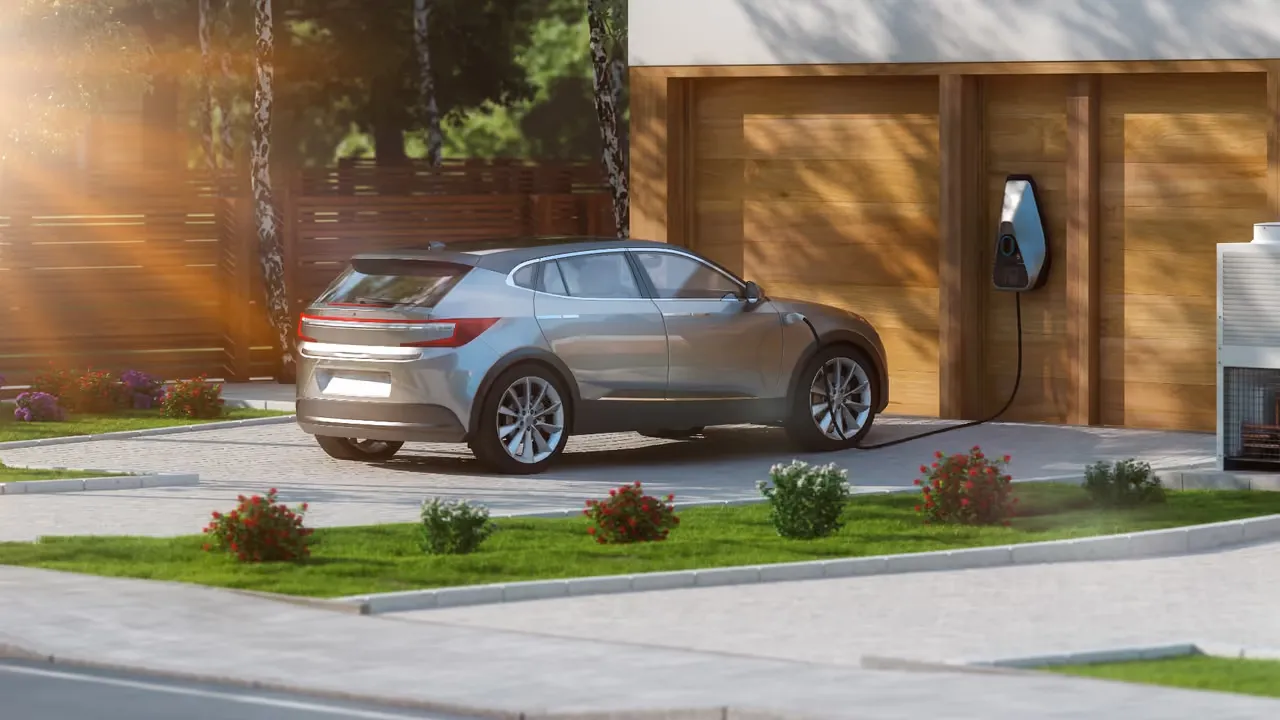
In many cities, the sight of electric vehicles (EVs) plugged in at home is becoming increasingly common. Yet, when it comes to apartment buildings and other multi-dwelling units, the picture is a bit more complex. Unlike single-family homes with dedicated garages, urban residents face unique challenges and opportunities in how they charge their EVs and consume energy. This shift is quietly reshaping energy patterns within these buildings, demanding new approaches from residents, property managers, and utility providers alike.
Understanding the Energy Demands of EV Charging in Apartment Complexes
EVs require significant amounts of electricity, especially when charging from a depleted battery. A typical electric car might draw anywhere from 3.3 kW with a Level 2 charger up to 22 kW or more in faster setups. In apartment complexes where dozens of residents might own EVs, the cumulative demand can strain existing electrical infrastructure.
Unlike single-family homes where the electric panel and wiring are tailored to one household’s needs, multi-dwelling buildings often have shared electrical systems. Many were not originally designed to support simultaneous high-power EV charging. This can lead to overloaded circuits, increased energy costs, and complications with billing.
Furthermore, the timing of charging matters. Most residents plug in their vehicles after work, creating peak demand windows that coincide with other apartment electricity use—lighting, heating, cooking—which can spike the building’s overall load.
Innovations in Shared EV Charging Infrastructure for Urban Residents
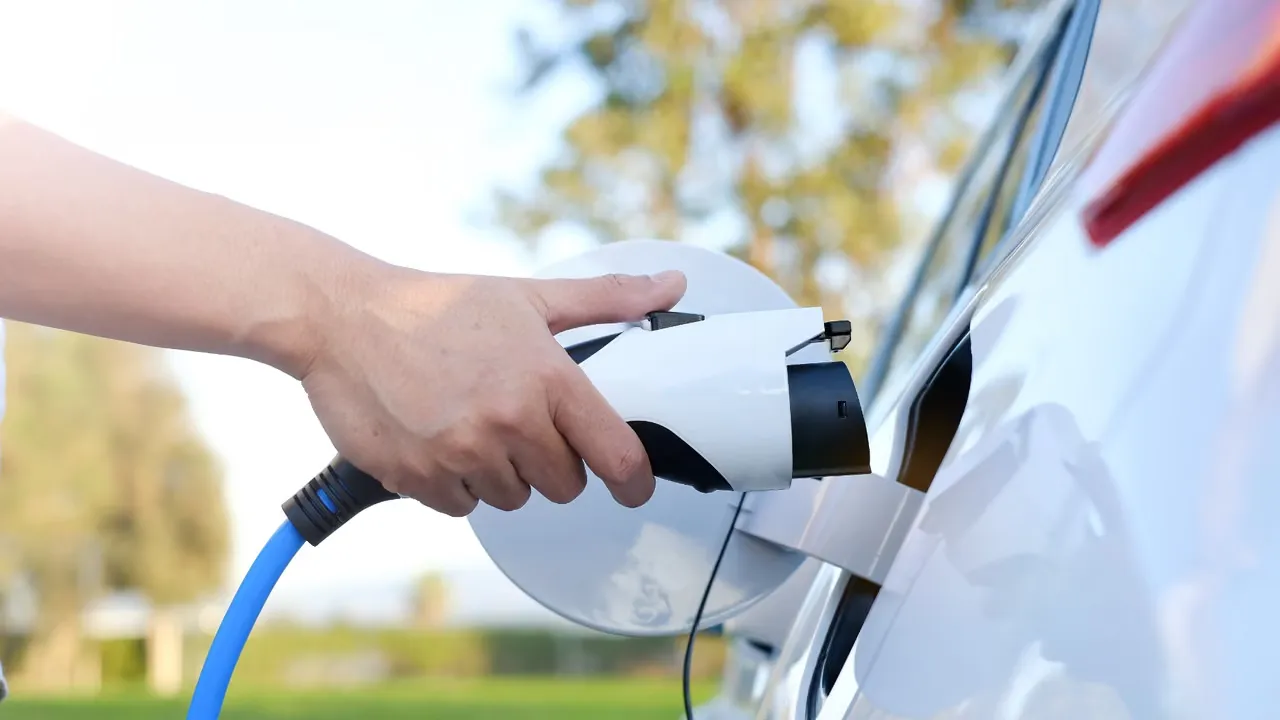
To address these challenges, new charging models are emerging that fit the multi-resident context. Shared EV charging infrastructure is one of the most promising developments. Instead of each resident requiring a dedicated charger, buildings are installing communal charging stations accessible to multiple users.
These shared stations often incorporate smart technology. For example:
- Load management systems distribute available power efficiently among vehicles, preventing overloads.
- Reservation apps allow residents to book charging time slots, smoothing out peak demand.
- Billing integration tracks individual usage for fair cost allocation, eliminating disputes.
Some buildings are partnering with third-party charging providers who handle installation, maintenance, and user management. This approach reduces upfront costs for property managers while providing residents with reliable service.
Wireless and Portable Solutions
Another innovative angle is wireless charging and portable chargers. Though still emerging technologies, wireless charging pads embedded in parking areas could eventually eliminate cable clutter and simplify use. Portable chargers let residents plug into existing outlets, offering flexibility without heavy infrastructure upgrades.
Balancing EV Loads with Existing Building Power Systems
Integrating EV charging into older buildings often requires upgrades or smart solutions to avoid costly rewiring. One approach gaining traction is dynamic load balancing. This technology monitors total building power consumption and adjusts EV charging rates in real time to stay within safe limits.
Energy storage systems, such as on-site batteries, can also help. These batteries charge during off-peak hours and discharge to supplement EV charging when demand peaks. This reduces stress on the grid and can lower electricity costs by taking advantage of time-of-use rates.
Solar panels paired with EV charging bays are another growing trend. When available, solar energy can directly power vehicles, cutting reliance on the grid and reducing carbon footprints. The challenge is ensuring enough generation and storage capacity to meet residents’ needs.
Strategies for Property Managers to Support and Encourage EV Adoption
Property managers sit at the crossroads of technology, resident demand, and building infrastructure. Their choices can speed up or stall EV adoption in urban multi-dwelling buildings.
- Assess current electrical capacity. Conduct a thorough audit to understand what upgrades might be necessary and the potential costs.
- Engage residents. Survey tenants to gauge interest in EV charging facilities and preferred features.
- Explore partnerships. Work with EV charger providers and local utilities to find scalable solutions that minimize upfront investment.
- Implement smart charging systems. Choose technologies that optimize load, enable fair billing, and provide user-friendly interfaces.
- Incorporate renewable energy. Where feasible, add solar panels or battery storage to offset demand and reduce operational costs.
- Promote awareness. Host informational sessions or provide resources on EV benefits and charging etiquette to foster a cooperative community.
- Plan for the future. Keep an eye on emerging technologies like wireless charging and vehicle-to-grid integration that could further transform energy use.
By taking these steps, property managers can turn EV charging from a potential headache into a value-added amenity, attracting eco-conscious tenants and preparing their buildings for a cleaner, electric future.