
Shenzhen Leads With Full Electric Bus Fleet
City streets have always been a battleground of noise, pollution, and congestion. Yet, the hum of an electric bus or the quiet glide of an electric tram is becoming a common sound in urban centers worldwide. This shift isn’t just about swapping diesel engines for batteries; it’s a fundamental change in how cities approach public transportation and sustainability.
Urban Public Transportation Faces Modern Challenges
Public transit systems in cities are under increasing pressure. Growing populations mean more passengers relying on buses, trams, and trains. Meanwhile, aging fleets, rising fuel costs, and strict emissions regulations force city planners to rethink traditional transportation models. The environmental impact of fossil fuels is no longer acceptable in densely populated areas where air quality directly affects millions.
Electrification emerges as a critical solution. It promises to cut greenhouse gas emissions, reduce noise pollution, and lower operational costs over time. But beyond the environmental benefits, electric vehicles (EVs) in public transit can reshape the entire urban mobility experience.
Electric Buses and Trams Transform City Life
Electric buses and trams bring tangible benefits to cities and their commuters. Here’s how:
- Cleaner air: EVs produce zero tailpipe emissions, drastically reducing harmful pollutants like nitrogen oxides and particulate matter that contribute to respiratory diseases.
- Reduced noise pollution: Electric motors run quietly compared to diesel engines, making city streets less stressful and more livable.
- Lower operating costs: Electricity is generally cheaper than diesel fuel, and electric drivetrains require less maintenance due to fewer moving parts.
- Improved passenger comfort: Electric vehicles offer smoother acceleration and less vibration, enhancing the travel experience.
- Energy efficiency: Regenerative braking and advanced energy management systems optimize power use, improving overall system sustainability.
Benefits for Commuters and Urban Environments
For commuters, this means a cleaner, quieter, and more reliable ride. For cities, the transition to electric public transport aligns with broader sustainability goals and reduces the urban heat island effect since electric vehicles emit less heat than combustion engines. Additionally, electric fleets can integrate seamlessly with renewable energy sources, further shrinking their carbon footprint.
Cities Leading the Electric Public Transit Revolution
Several cities offer compelling examples of how electric public transportation fleets are already making a difference.
Shenzhen, China
Shenzhen marked a milestone by becoming the first city to fully electrify its entire bus fleet, consisting of over 16,000 buses. The shift resulted in a significant drop in urban emissions and set a global example of how large-scale electrification is feasible and effective.
Oslo, Norway
Oslo is aggressively pushing electric buses in its public transport network. The city offers incentives for electric vehicle adoption and has invested in charging infrastructure to support its fleet. These efforts complement Oslo’s ambitious goal to become carbon-neutral by 2030.
Los Angeles, USA
The Los Angeles County Metropolitan Transportation Authority is transitioning its fleet to electric buses, aiming for 100% zero-emission buses by 2030. The city’s approach combines federal funding, local policies, and community engagement to overcome the challenges of electrification.
The Road Ahead for EV Integration in Public Transit
Electrifying public transportation is not without challenges. Battery costs, charging infrastructure, and grid capacity require careful planning and investment. However, innovation and policy momentum are accelerating solutions:
- Battery technology advancements: Improvements in energy density and charging speed are making electric buses and trams more practical and cost-effective.
- Smart charging infrastructure: Cities are deploying intelligent charging stations that optimize energy use and reduce strain on the power grid.
- Government incentives and mandates: Subsidies, emissions regulations, and zero-emission fleet requirements are pushing transit agencies to adopt EVs faster.
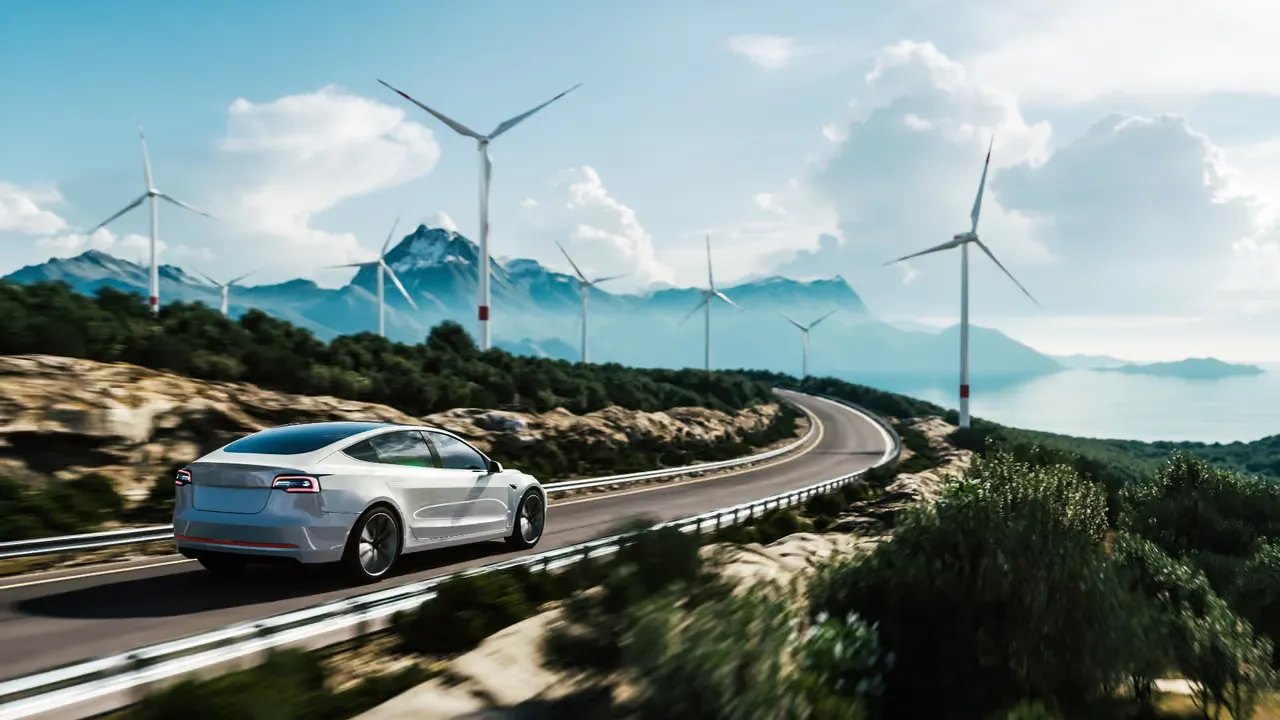
- Integration with renewable energy: Solar and wind power are increasingly tied into transit charging networks, ensuring that electric fleets run on clean energy.
- Public-private partnerships: Collaborations between governments, manufacturers, and energy providers help distribute costs and speed up deployment.
Urban mobility is evolving from a diesel-dependent system to one powered by electricity and innovation. As cities continue to embrace electric buses and trams, the benefits ripple through reduced pollution, improved public health, and a more pleasant urban experience. The quiet revolution on city streets signals a new era where sustainability and mobility move hand in hand.