

Smart Spaces Transform City Parking
Reimagining Urban Parking From Spots to Smart Spaces
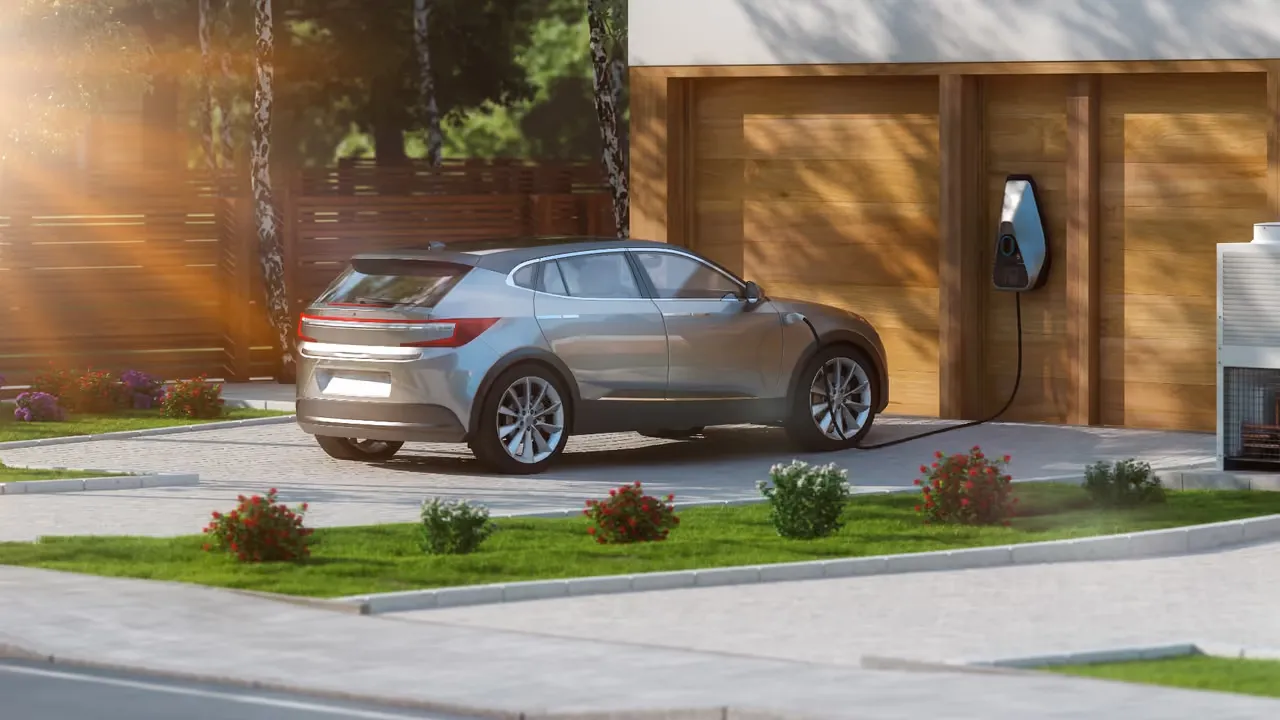
Walk into any city parking lot today, and you’ll likely see rows of bland, gray slabs with painted lines, designed purely for tucking cars away. But here’s the twist: the rise of electric vehicles (EVs) is quietly rewriting the rules of urban parking, transforming these mundane spots into dynamic hubs that anticipate, interact with, and even pamper the car and driver. It’s not just about plugging in anymore—EVs are pushing cities to think of parking as an experience and a smart asset.
Consider that EVs demand more than just a place to rest; they require charging infrastructure, but also connectivity, security, and convenience. This has sparked a wave of innovation turning traditional parking spaces into smart spaces that communicate with the vehicles and the city’s broader mobility network. The once static parking lot is morphing into a responsive environment, designed with intelligence and adaptability at its core.
How EVs Influence Parking Infrastructure and City Planning
Urban planners and city officials are facing a new challenge: how to accommodate a growing fleet of EVs without increasing congestion or wasting precious urban real estate. EVs are prompting a rethink of parking infrastructure that goes beyond the installation of charging stations.
For starters, many cities are converting some public parking spots into dedicated EV charging areas, but with a twist: these spots often come equipped with sensors and real-time monitoring systems. This data feeds into city management platforms to optimize space usage and guide drivers to available chargers, reducing the frustrating hunt for a free spot.
Some urban centers are experimenting with modular, multi-use parking structures that can adapt as EV adoption grows. Imagine a garage that can reconfigure its layout based on demand, switching between EV charging bays, shared mobility vehicle docks, or even spaces for micro-mobility devices like e-scooters and bikes.
EVs are also influencing zoning laws and building codes. New developments increasingly mandate a percentage of parking spaces to be EV-ready, equipped with wiring or charging points. This shifts the cityscape subtly but significantly, ensuring future resilience and smoother transitions to electrified fleets.
Innovative Technologies Enhancing EV Parking Experience
Wireless charging often grabs the headlines, but it’s just one part of a broader technological overhaul reshaping the EV parking experience. Here are a few innovations making parking smarter and friendlier:
- Smart sensors and AI-driven management: Parking lots equipped with sensors track occupancy and charging status, feeding data into apps that direct drivers to the closest available charger. This reduces wasted time and frustration, making urban driving less of a chore.
- Vehicle-to-grid (V2G) integration: Some parking spaces now function as energy nodes, where EVs can not only draw power but also feed electricity back into the grid during peak demand, turning parked cars into active players in urban energy management.
- Personalized user interfaces: Through apps or in-car systems, drivers receive tailored information about parking availability, optimal charging times based on energy rates, and even maintenance alerts—all aimed at maximizing convenience and efficiency.
- Autonomous parking solutions: The pairing of EVs with autonomous valet parking technology is beginning to emerge. Cars can drop passengers off and then park themselves in optimized spots, often in underground or remote locations, freeing up premium urban space for other uses.
- Integrated security systems: EV parking areas are increasingly equipped with advanced surveillance and anti-theft technologies, recognizing the higher value and sensitivity of EV components like batteries and charging cables.
Future Prospects Integrating EVs with Urban Mobility Ecosystems
What if parking spaces weren’t just static lots but active nodes in a vast urban mobility network? That’s where the future is heading. EVs, combined with smart parking infrastructure, can become integral parts of a city’s ecosystem, interacting with public transit, shared mobility services, and even pedestrian flow management.
Picture a seamless urban journey where your EV is part of a subscription-based mobility system. You park it in a smart bay that automatically schedules charging during off-peak hours, syncs with your calendar and transit options, and when you’re ready, an autonomous shuttle or bike is waiting to complete your trip. The parking space itself could provide environmental data, contribute to air quality monitoring, or serve as a hub for neighborhood energy sharing.
Urban planners are exploring how to embed EV parking within green corridors and community spaces, turning them into multifunctional zones that promote sustainability and social interaction. This shifts parking from a necessary evil to a positive contributor to urban life.
EVs are more than just vehicles; they are catalysts for transforming how cities think about space, energy, and movement. As the technology and infrastructure evolve, parking will no longer be an afterthought but a vital, interactive component of smart, livable cities.