
The EV Transition Is Becoming a Lifestyle Shift
The EV transition is often described in numbers: battery capacity, charging power, range and market share. Those details matter, but they do not tell the whole story.
The real change is happening in daily routines.
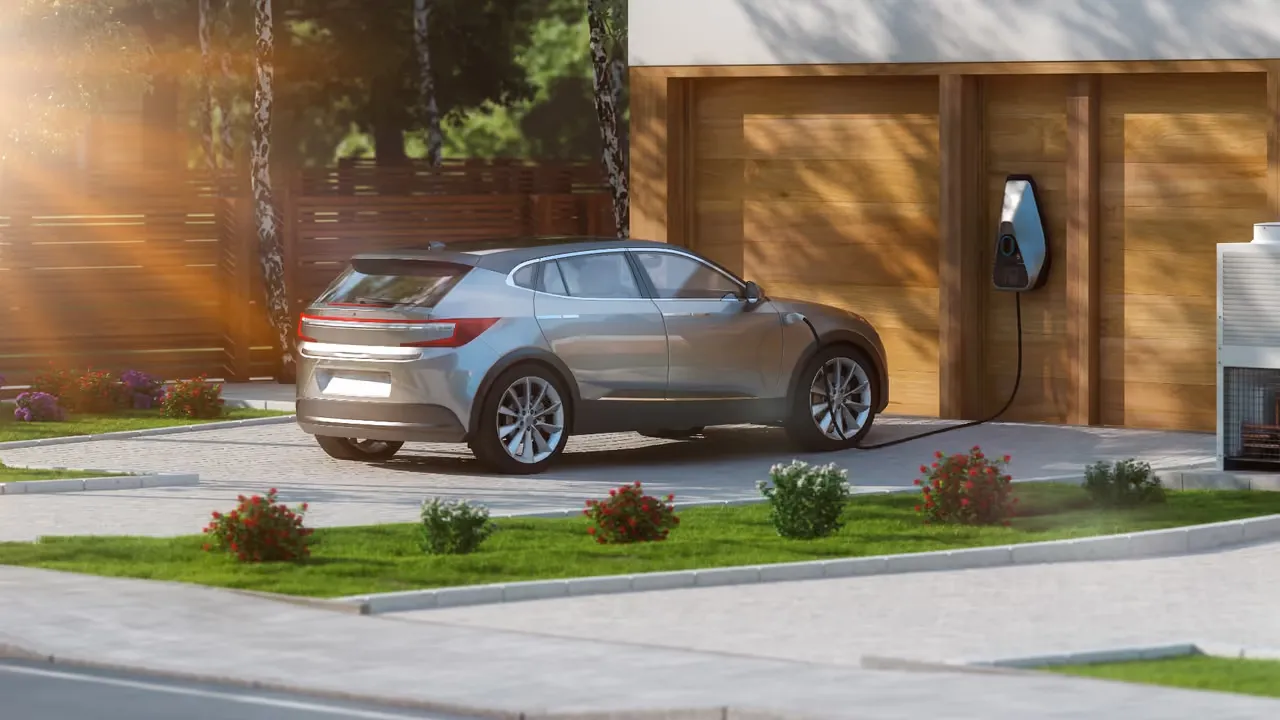
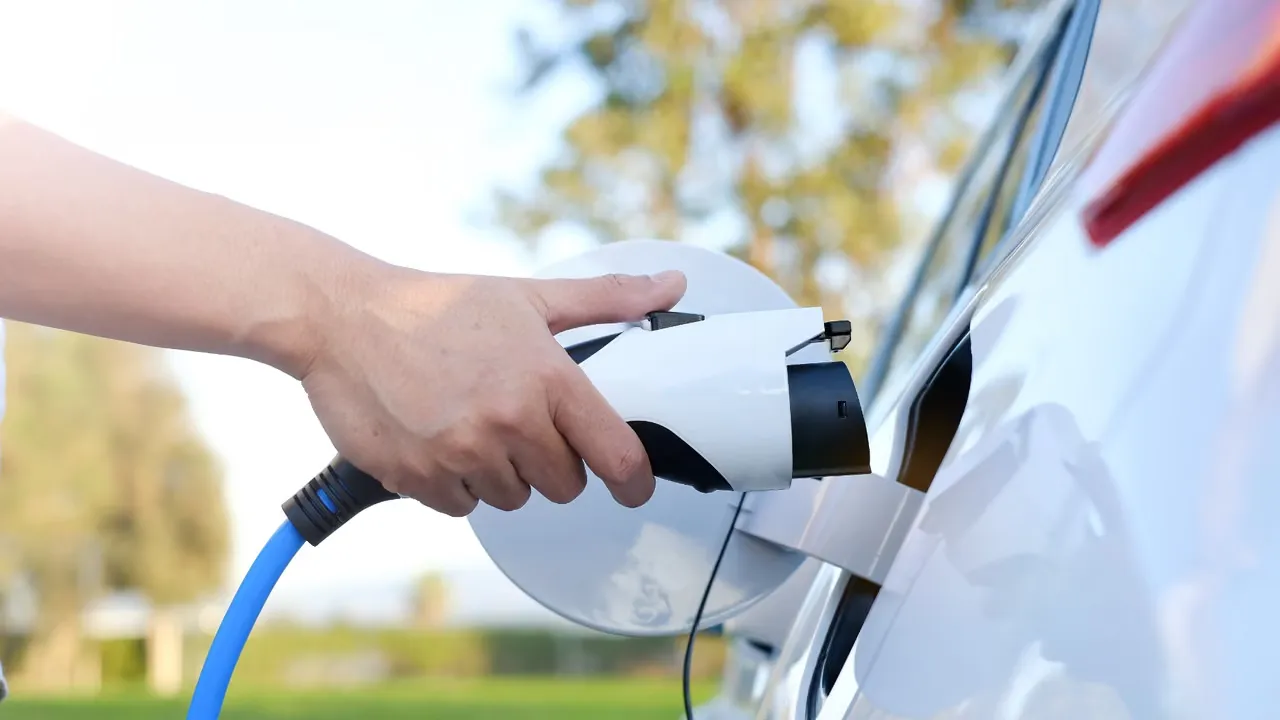
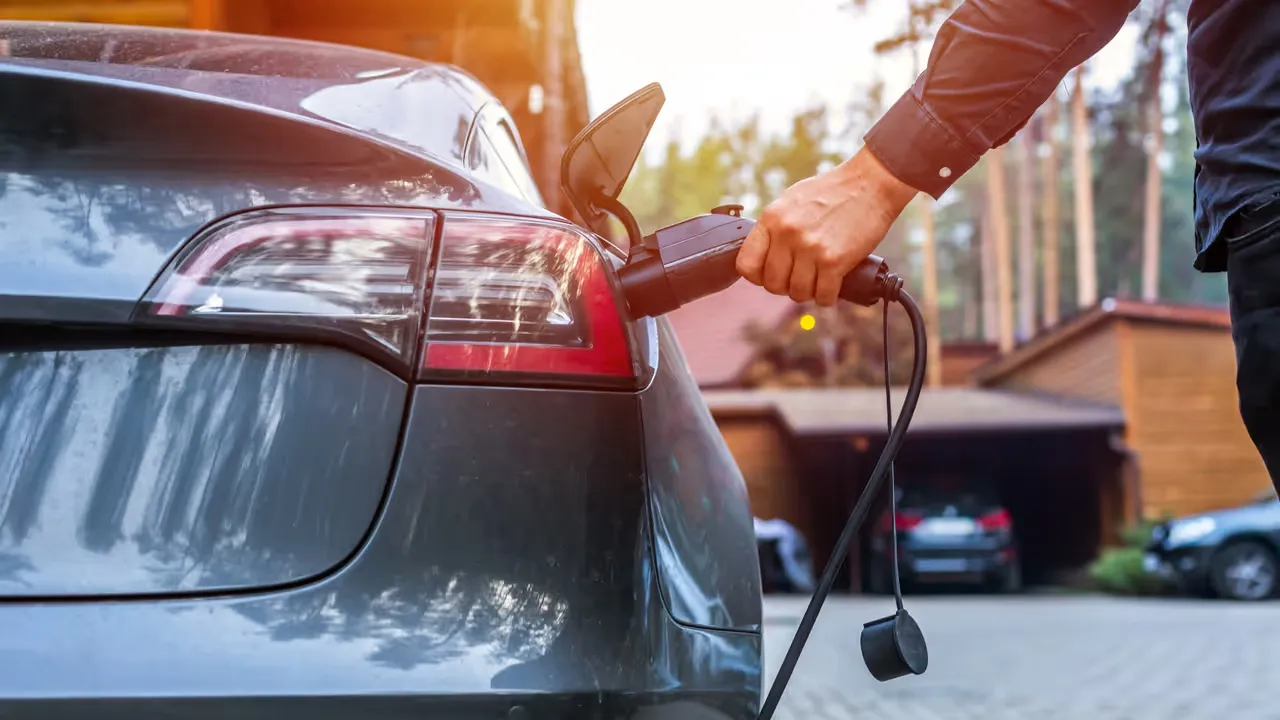
Owning an electric vehicle encourages people to think differently about energy, travel and time. Instead of driving to a fuel station when the tank is low, many EV drivers charge where they already are. At home overnight. At work during the day. At a hotel on a weekend away.
It is a subtle change, but it can make life feel easier.
From Refuelling Stops to Everyday Habits
Petrol and diesel cars create a familiar routine. You watch the fuel gauge, make a detour, stand beside the pump and leave a few minutes later.
Electric cars offer a different rhythm. The most convenient charge is often not a stop at all.
A driver who can charge at home may begin each morning with enough range for the day. Someone without home charging may build charging into their week through work, local public chargers or destination charging. Long journeys still require planning, but fast-charging networks are making those stops increasingly manageable.
The point is not that every EV journey looks the same. It is that the vehicle adapts to the driver’s life in new ways.
A More Connected Relationship With Energy
Electric vehicles also make energy more visible. Drivers begin to notice how much electricity costs at different times, how far a kilowatt-hour can take them and how solar power can support their travel.
For some households, the EV becomes part of a bigger energy system. Solar panels produce electricity during the day. A smart charger manages when the car charges. A home battery may store extra energy. In the years ahead, compatible EVs may even return energy to the home when needed.
This is a major change from traditional motoring. The car is no longer separate from the energy system. It is becoming part of it.
The Market Is Moving
The shift is visible across Europe. Battery-electric cars accounted for more than one in five new EU registrations in the first half of 2026. Drivers are not only choosing EVs because they are interested in new technology. They are choosing them because the vehicles are becoming more practical, more varied and more familiar.
There are now electric cars for city commuters, families, business users and drivers who simply enjoy a quiet, responsive vehicle.
Of course, the transition is still uneven. Access to charging remains an important issue, particularly for people who live in apartments or do not have private parking. Public charging needs to be reliable, clear and easy to pay for. And electric cars need to remain accessible across more price ranges.
These are real challenges, but they are being addressed as the market grows.
The Quiet Revolution
Perhaps the most noticeable thing about the EV transition is how unremarkable it is becoming.
Electric cars are quietly joining ordinary life. They are parked outside cafés, charging at supermarkets and travelling across countries. What felt futuristic a few years ago is becoming normal.
That is the real sign of progress.
The EV revolution is not only about replacing one engine with another. It is about creating a cleaner, more flexible and more connected way to move. In 2026, that future is no longer waiting around the corner. It is already part of the journey.