
Top Features of Modern EV-Friendly Rest Areas
Pulling off a highway for a break used to mean a quick stop to stretch legs, grab a snack, or use the restroom. Now, with electric cars quietly taking over the roads, rest stops are rapidly evolving from simple pit stops into complex hubs designed around the unique needs of EV drivers. The hum of charging stations is becoming as common as the smell of fresh coffee, reshaping how we think about travel breaks.
The evolution of rest stops in the age of electric vehicles
Traditional rest stops catered mostly to gasoline-powered vehicles—ample parking, clean bathrooms, and vending machines. Charging up was never a concern because refueling took minutes and was handled entirely at gas stations. Electric vehicles, however, demand a different rhythm. Charging times—even with fast chargers—are measured in tens of minutes rather than minutes. This shift means rest stops are no longer just a place to pause briefly but places where drivers might spend 20 to 40 minutes or more.
As a result, rest stops are evolving. Instead of merely accommodating cars and trucks with parking and restrooms, they are becoming mini travel destinations where time spent charging can be productive and pleasant. The old model of a quick snack and back on the road is giving way to extended breaks featuring amenities designed to engage and serve EV drivers during their wait.
New amenities tailored to EV drivers’ charging needs
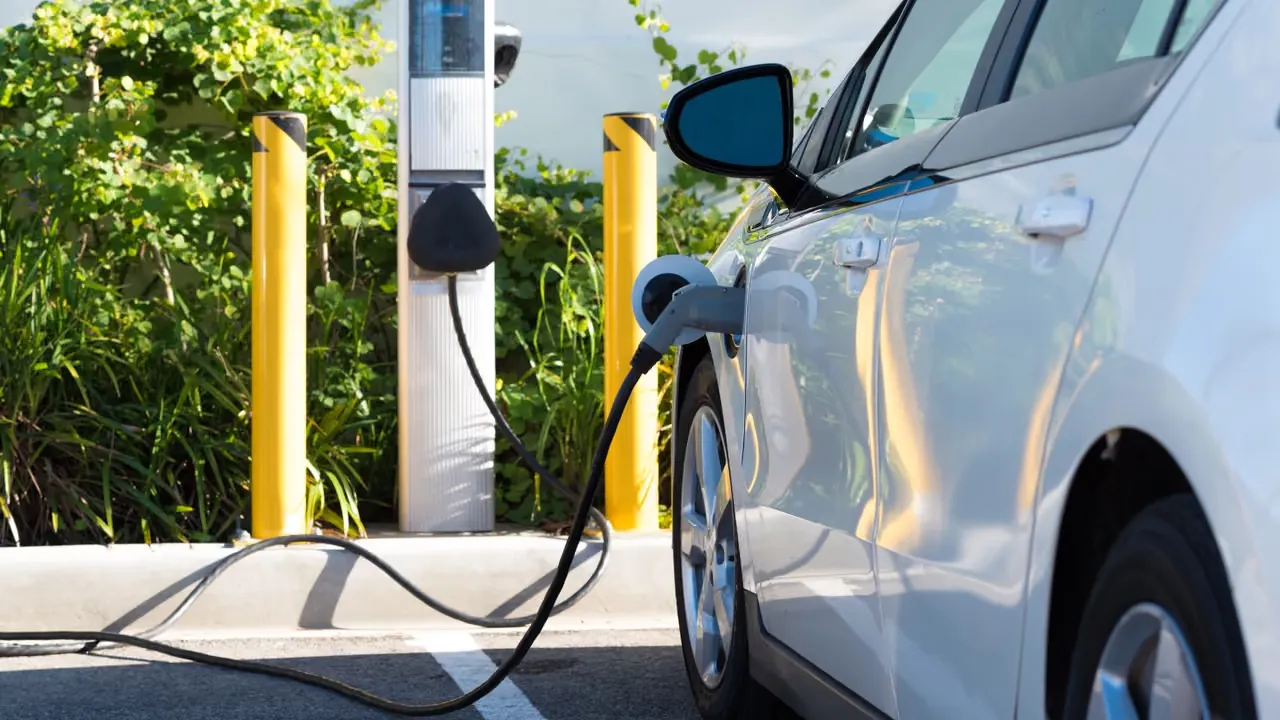
Charging stations have become the centerpiece of modern rest stops. But the infrastructure goes far beyond just installing chargers. Many rest stops now feature:
- Comfortable seating and workspaces: With charging times stretching longer, places to relax or work with reliable Wi-Fi are essential. Travelers often take advantage of the downtime to catch up on emails or stream entertainment.
- Food and beverage options: From grab-and-go snacks to full-service cafes, rest stops are capitalizing on the longer dwell time to offer better dining experiences. Some are even incorporating local food vendors or specialty coffee shops to make the stop more enjoyable.
- Retail and convenience stores: Expanded shops stocked with travel essentials, souvenirs, and EV accessories cater to the modern traveler’s needs.
- Rest and recreation areas: Outdoor seating, walking trails, and playgrounds provide ways to stretch legs and refresh while the vehicle charges.
- Multiple charger types and capacities: Rest stops now often include a mix of Level 2 chargers and DC fast chargers to serve different vehicles and charging speeds, reducing wait times and increasing throughput.
Challenges and innovations in EV-friendly infrastructure
Building EV-friendly rest stops is not without its challenges. The electrical demand for multiple fast chargers can be immense, requiring significant upgrades to local power grids and substations. Not every highway corridor or rural area has the infrastructure capacity, which limits where rest stops can be effectively electrified.
Another challenge is managing charger availability and wait times. As EV adoption grows, the potential for congestion at charging stations increases. This has sparked innovations such as:
- Reservation systems: Apps and platforms that allow drivers to book charging slots ahead of time reduce uncertainty and waiting.
- Smart load management: Technology that balances power distribution to chargers optimizes grid use and prevents overloads.
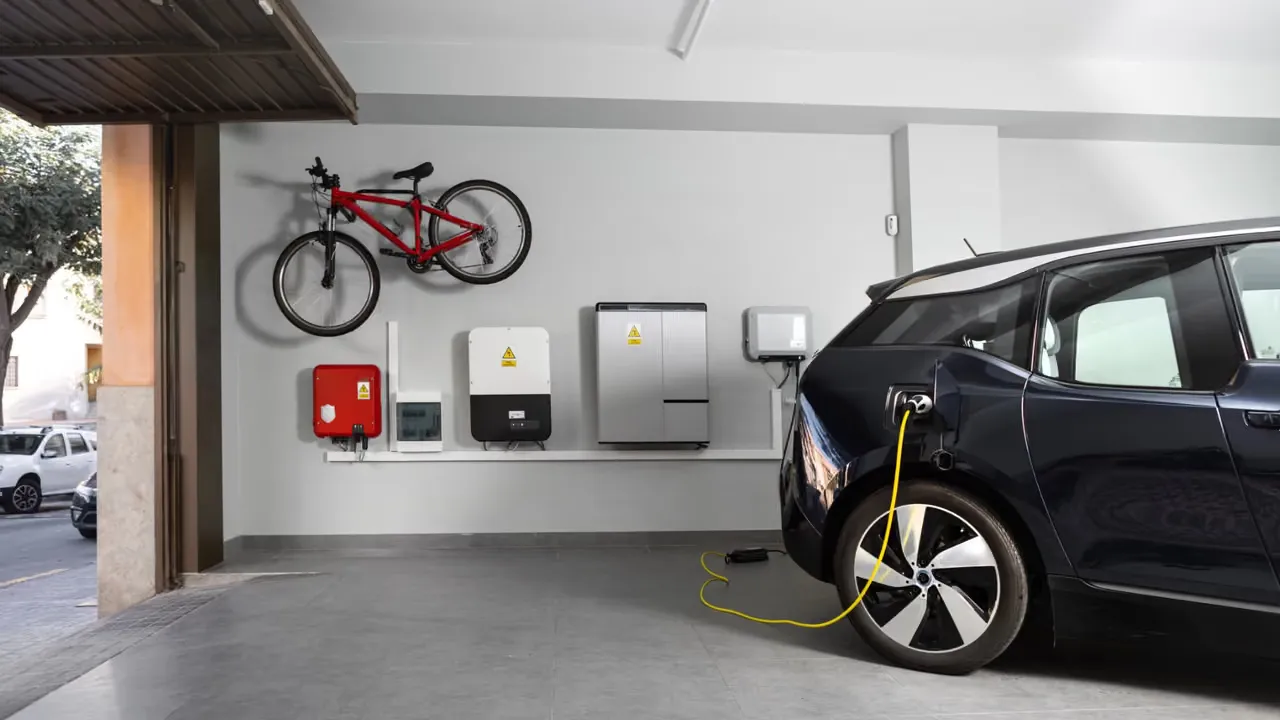
- Battery storage integration: Some rest stops use onsite battery banks to store energy during off-peak hours for use during peak charging demand, easing grid strain.
- Modular and scalable designs: Facilities built to easily expand charging capacity as demand grows keep rest stops adaptable to future needs.
Future prospects Integrating renewable energy and smart technologies into rest stops
Looking forward, the transformation of rest stops will continue to accelerate with the integration of renewable energy and cutting-edge technologies. Solar panels atop parking canopies are becoming standard, providing clean power directly to charging stations and reducing reliance on fossil fuels. Some rest stops aim to be net-zero energy sites, producing as much power as they consume.
Smart technologies will make stops even more efficient and user-friendly. Imagine rest stops equipped with real-time charger availability displays, dynamic pricing to encourage off-peak charging, and personalized driver apps that suggest optimal stops based on battery state and route. Autonomous vehicles could even coordinate charging and rest breaks without driver intervention.
Urban planners and transportation agencies are also exploring how rest stops can contribute to broader sustainability goals. Green spaces, water recycling, and electric shuttle services connecting rest areas to nearby towns may become common features. In this way, rest stops will not just serve EV drivers but also model the future of sustainable travel infrastructure.