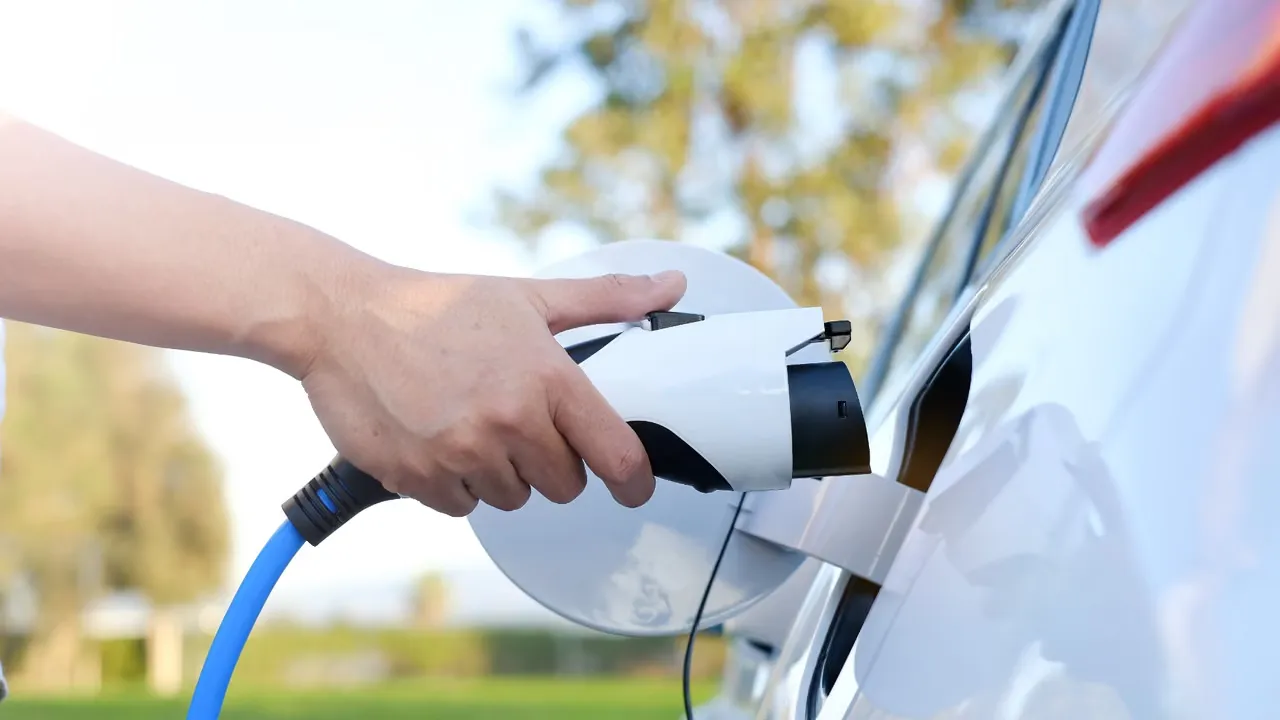


Unlocking the Potential of EV Charging Integration
EV Charging Platform Integration: Unlocking the Potential of Electric Vehicles
Electric vehicles (EVs) are quickly becoming the future of transportation. With their low carbon emissions and cost savings on fuel, more and more people are making the switch from traditional gas-powered vehicles to EVs. However, one of the biggest challenges in the widespread adoption of EVs is the availability and accessibility of charging stations. This is where EV charging platform integration comes into play.
Charging Platform Fleet Management Integration
One of the key aspects of EV charging platform integration is fleet management. For businesses with a fleet of electric vehicles, efficiently managing the charging process is crucial. By integrating the charging platform with fleet management systems, businesses can monitor and control the charging activities of their entire EV fleet.
With fleet management integration, businesses can optimize charging schedules, ensure that vehicles are charged when they are not in use, and even prioritize charging for vehicles that need it the most. This not only helps in reducing downtime but also maximizes the utilization of the EV fleet, ultimately leading to cost savings.
Charging Platform API
Another important aspect of EV charging platform integration is the use of Application Programming Interfaces (APIs). APIs allow different systems and platforms to communicate and share data seamlessly. In the context of EV charging, APIs enable third-party developers to create applications and services that can interact with the charging platform.
By utilizing charging platform APIs, developers can create innovative solutions such as mobile apps that provide real-time information about the availability of charging stations, their location, and even the estimated waiting time. This not only enhances the overall user experience but also encourages more people to adopt EVs by addressing the range anxiety associated with finding charging stations.
Charging Platform IoT Integration
Internet of Things (IoT) integration is another game-changer in the world of EV charging. By connecting charging stations to the internet, charging platform IoT integration enables real-time monitoring and control of charging infrastructure.
IoT integration allows charging stations to communicate with each other, providing valuable data on their availability, usage patterns, and even their performance. This data can then be used to optimize the placement and capacity of charging stations, ensuring that they are strategically located and capable of meeting the growing demand for EV charging.
Conclusion
EV charging platform integration is a crucial step towards realizing the full potential of electric vehicles. By integrating with fleet management systems, leveraging APIs, and embracing IoT, charging platforms can enhance the accessibility and usability of EV charging infrastructure. This, in turn, will drive the widespread adoption of electric vehicles, contributing to a greener and more sustainable future.