
Vehicle-to-Grid Technology: Revolutionizing Grid Services
The Concept of Vehicle-to-Grid (V2G) Technology: Revolutionizing Grid Services
As the world continues to shift towards sustainable energy solutions, the integration of electric vehicles (EVs) into our daily lives has gained significant momentum. Not only do EVs help reduce greenhouse gas emissions, but they also have the potential to revolutionize the way we utilize and distribute energy. One such innovation that holds great promise is the concept of vehicle-to-grid (V2G) technology.
Understanding V2G Technology
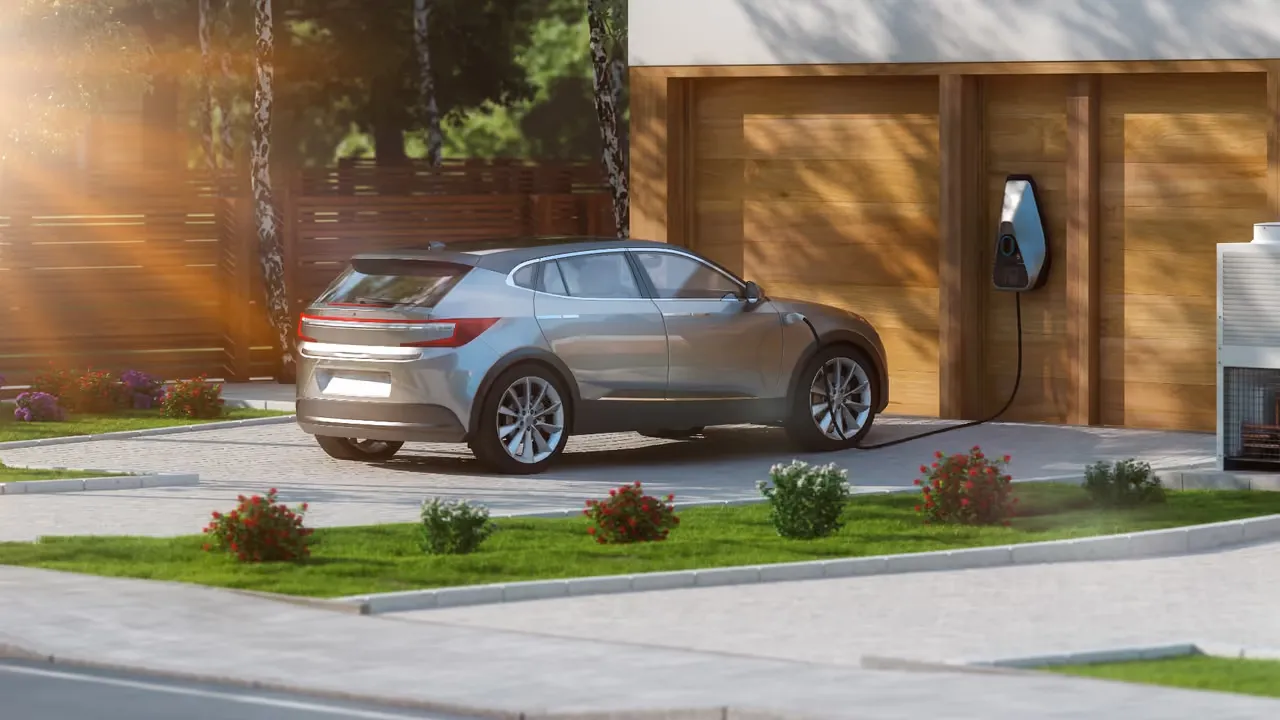
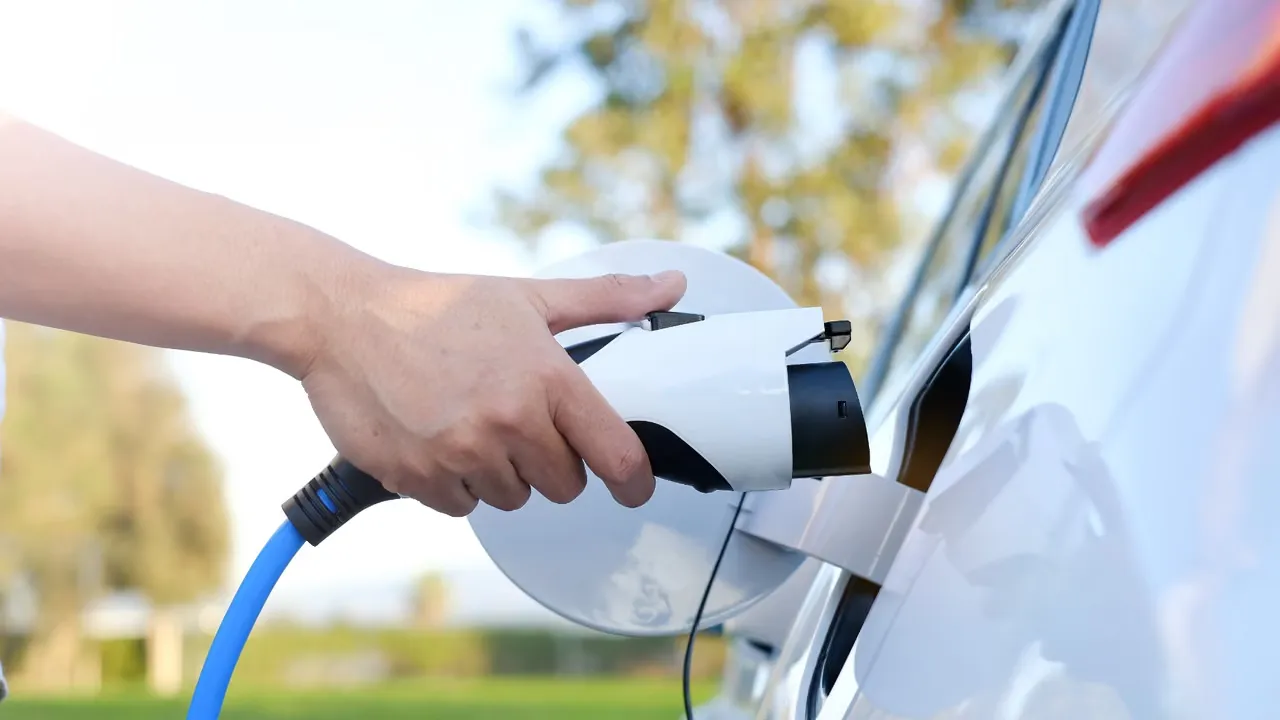
V2G technology enables electric vehicles to not only consume energy but also serve as a valuable resource for the electrical grid. Traditionally, EVs have been seen as consumers of electricity, drawing power from the grid to charge their batteries. However, with V2G technology, the roles can be reversed, allowing EVs to become energy providers and actively participate in grid services.
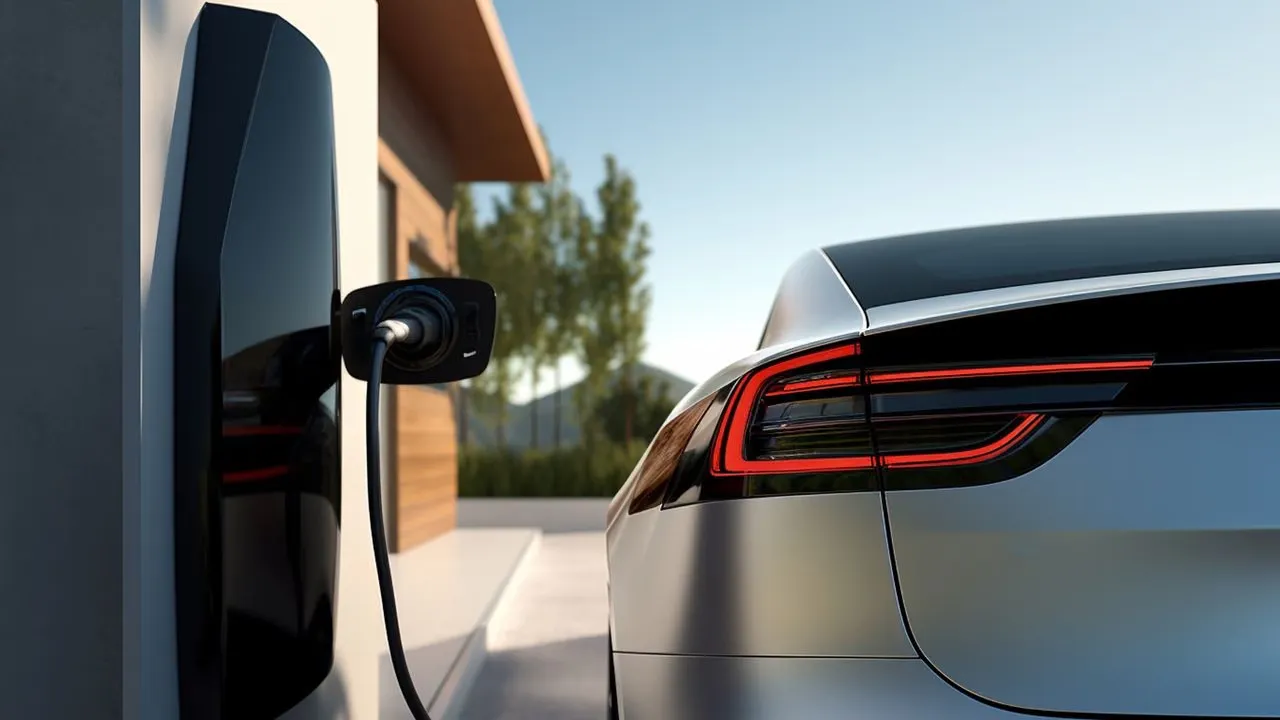
The V2G infrastructure facilitates bidirectional energy flow between EVs and the electrical grid. This means that when EVs are not in use or are fully charged, they can feed surplus energy back into the grid. This surplus energy can then be utilized to meet the demands of the grid during peak hours or in emergency situations.
Benefits of V2G Technology
V2G technology offers numerous benefits for both EV owners and the electrical grid:
- Grid Services: By integrating EVs into the grid, V2G technology provides valuable grid services such as frequency regulation, load balancing, and voltage support. EVs can act as distributed energy storage systems, helping stabilize the grid and enhance its overall reliability.
- Revenue Generation: EV owners can earn revenue by participating in V2G programs. When their vehicles are not in use, they can sell the surplus energy back to the grid or provide ancillary services. This incentivizes EV adoption and encourages owners to actively contribute to the stability of the electrical grid.
- Reduced Infrastructure Costs: V2G technology can help reduce the need for additional infrastructure investments. By utilizing the existing EV charging infrastructure, the grid can tap into the energy stored in EV batteries, minimizing the need for expensive grid upgrades.
- Renewable Energy Integration: V2G technology can facilitate the integration of renewable energy sources into the grid. EVs can store excess energy generated from renewable sources during off-peak hours and inject it back into the grid when needed, helping balance the intermittent nature of renewable energy generation.
- Emergency Power Supply: In the event of a power outage or natural disaster, V2G-enabled EVs can serve as emergency power sources. The energy stored in EV batteries can be used to power homes, hospitals, or critical infrastructure, providing a reliable backup during challenging times.
Challenges and Future Outlook
While V2G technology holds immense potential, there are several challenges that need to be addressed for widespread adoption:
- Standardization: The development of common protocols and standards is essential to ensure interoperability between different EV models and grid systems.
- Grid Stability: As the number of EVs connected to the grid increases, careful management of bidirectional energy flow is crucial to maintain grid stability and prevent disruptions.
- Battery Degradation: The frequent charging and discharging cycles associated with V2G operations can potentially impact the lifespan and performance of EV batteries. Research is ongoing to optimize battery management systems and mitigate degradation.
Despite these challenges, the future of V2G technology looks promising. As more EVs hit the roads and renewable energy generation continues to grow, the integration of EVs into the electrical grid will play a vital role in achieving a sustainable and resilient energy future.
In Conclusion
Vehicle-to-grid (V2G) technology has the potential to revolutionize the way we utilize and distribute energy. By enabling bidirectional energy flow between EVs and the electrical grid, V2G technology offers valuable grid services, revenue generation opportunities, and a means to integrate renewable energy sources. While challenges exist, the future outlook for V2G technology is promising, paving the way for a greener and more sustainable energy ecosystem.