

When Rural Roads Meet Electric Vehicles
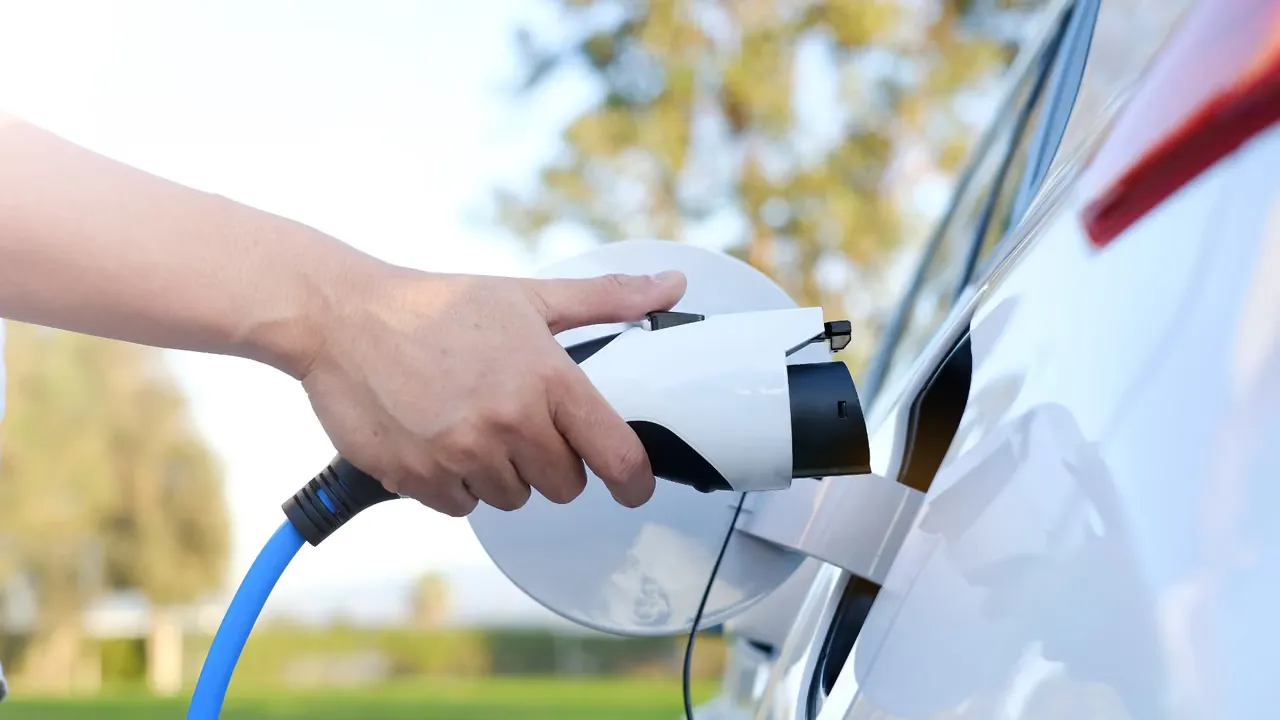
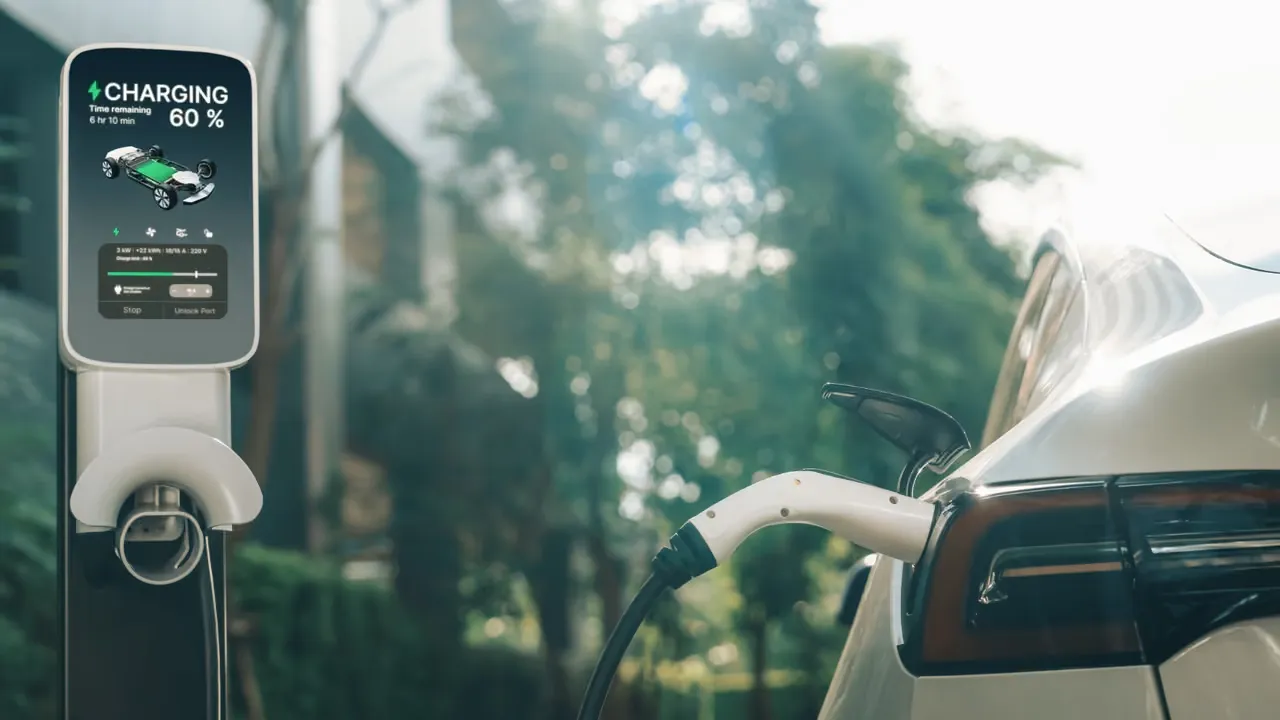
Driving through a quiet country road, you might spot a lone electric vehicle (EV) plugged into a charging station, a sight once rare but now increasingly common. Yet, the story of EV charging is unfolding very differently outside the bustling urban centers. While cities race ahead with dense networks of fast chargers, rural and remote communities face a distinct set of challenges—and opportunities—that shape their EV charging landscape in unique ways.
Challenges Unique to Rural EV Charging Infrastructure
Rural areas often lag behind urban centers in EV charging infrastructure, but this lag isn’t simply about numbers. The issues run deeper.
- Low population density: Sparse populations mean fewer EVs and less immediate demand, making investments in charging infrastructure less attractive to private companies.
- Distance and accessibility: Long distances between towns and homes create a logistical headache. The placement of chargers must be strategic to prevent “range anxiety” that’s more acute in areas without alternative transportation options.
- Limited grid capacity: Remote locations frequently struggle with outdated or limited electrical grids, complicating the installation of high-powered chargers that require substantial energy.
- Economic constraints: Lower average incomes and fewer commercial hubs reduce the financial incentives for businesses to sponsor or host charging stations.
Innovative Solutions Tailored for Remote Areas
Despite these challenges, rural communities and innovators are crafting solutions that fit their needs rather than trying to imitate urban models.
Scaled-down and off-grid charging options
Solar-powered charging stations are gaining traction where grid upgrades are prohibitive. These installations often include battery storage to provide consistent power, making them ideal for isolated spots along rural highways or in small towns.
Community-driven charging hubs
Rather than relying on commercial entities, rural communities are taking ownership. Cooperative models see local governments, businesses, and residents pooling resources to install and maintain chargers. This approach fosters trust and ensures stations serve actual community needs.
Multi-purpose infrastructure
Charging stations are being integrated with existing rural infrastructure like rest stops, convenience stores, or agricultural supply centers, making them travel-friendly and cost-effective to maintain.
Mobile and portable chargers
Emergency and short-term charging solutions such as mobile charging vans provide flexibility, especially during festivals, fairs, or seasonal tourism peaks in remote locations.
Economic and Social Impacts on Rural Communities
The ripple effects of EV charging infrastructure in rural areas extend beyond convenience. They can be profound.
- Attracting visitors and tourism: As EV adoption grows, tourists driving electric cars seek destinations where they can recharge. Rural communities with reliable charging can position themselves as stops on longer journeys, boosting local businesses.
- Supporting local economies: New charging stations create small-scale jobs in installation, maintenance, and customer service. They can also spur broader interest in green technologies and related industries.
- Environmental benefits: Rural areas often rely heavily on fossil fuels for transportation and heating. Expanding EV infrastructure supports a shift to cleaner energy use, improving air quality and public health.
- Social inclusion: Access to EV charging in remote areas helps residents stay connected, especially where public transportation is limited. It empowers mobility for people without traditional fueling options nearby.
Future Outlook Bridging the Urban-Rural Charging Divide
Closing the gap between urban and rural EV charging networks requires targeted policies and continued innovation. Federal and state governments are increasingly recognizing the need for tailored funding programs that prioritize underserved areas.
Technological advances, such as faster-charging batteries and more efficient renewable energy integration, promise to reduce the cost and complexity of rural charging stations. Meanwhile, data-driven planning helps identify the best locations to maximize usage and impact.
Community engagement remains critical. The most successful rural initiatives actively involve local voices in planning and managing charging infrastructure, ensuring solutions fit the social and economic fabric of these regions.
Ultimately, the evolution of EV charging infrastructure is not just about technology—it’s about reshaping mobility and opportunity in places where the journey matters as much as the destination.