

When to Upgrade Your Electrical Panel
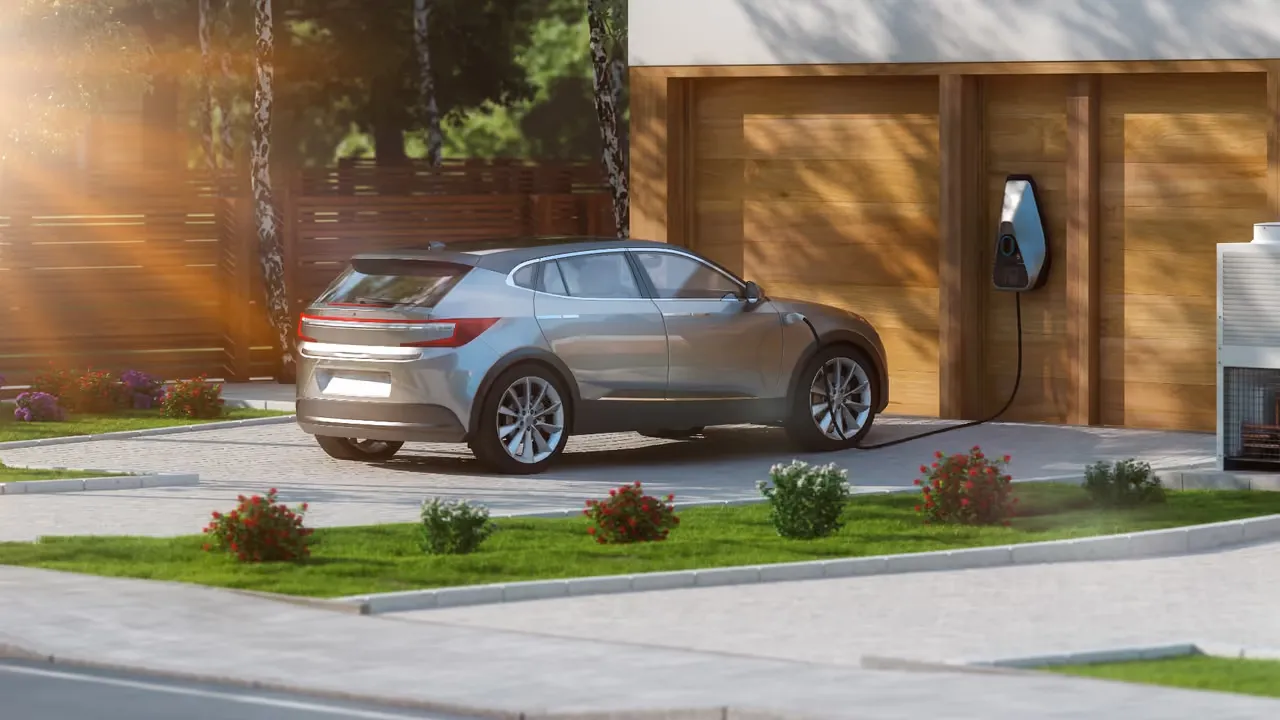
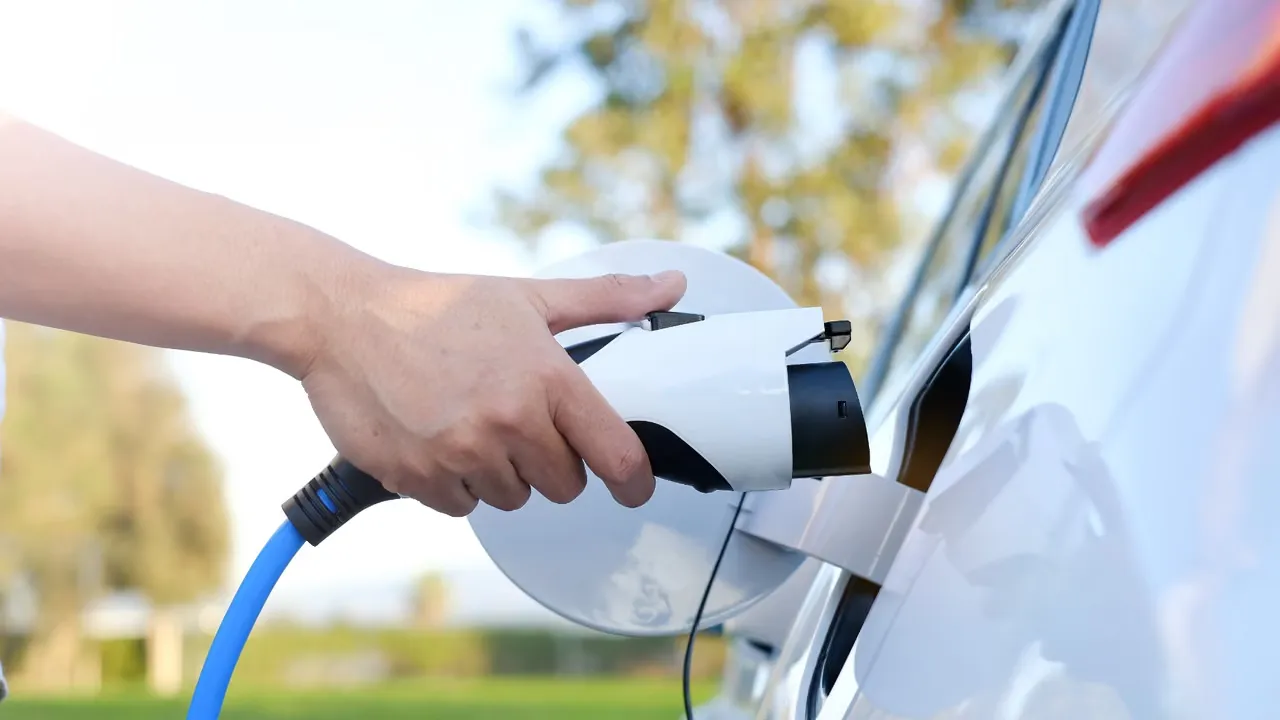
Have you considered how your home’s electrical system will handle an electric vehicle charger? The surge in EV ownership is not just changing the way we drive but also how we power our homes. Plugging in an EV isn’t as simple as finding a spare outlet in the garage anymore. Homeowners need to understand the demands EV charging places on their existing electrical setup and take steps to prepare safely.
Understanding the Increased Demand on Home Electrical Systems
Electric vehicles require a significant amount of electricity, especially when charging at home overnight. Unlike typical household appliances, EV chargers draw continuous power for extended periods. This increased demand can strain older or undersized electrical systems.
Many homes were built with electrical panels designed for standard loads—lighting, appliances, heating, and cooling—not for high-capacity EV charging. If you try to charge your EV without considering your home’s electrical capacity, you risk tripping breakers or, worse, electrical fires. The key is knowing your system’s capabilities and limits.
How Much Power Does EV Charging Use?
Home EV chargers typically come in two levels:
- Level 1: Uses a standard 120-volt outlet and delivers about 3-5 miles of range per hour of charging.
- Level 2: Requires a 240-volt outlet and can add 15-30 miles of range per hour, drastically reducing charging time.
Level 2 chargers, while faster and more convenient, pull much more power and usually require a dedicated circuit. This increased load can push your home’s electrical system beyond its designed capacity, especially if other major appliances run simultaneously.
Choosing the Right Home EV Charger Level 1 vs Level 2
Deciding between a Level 1 and Level 2 charger depends on your daily driving habits, budget, and your home’s electrical setup.
- Level 1 chargers are plug-and-play with no installation costs, perfect if you drive less than 30 miles a day or have a second car that doesn’t need quick charging. Their slow charging speed means you’ll need to leave your EV plugged in for a long time.
- Level 2 chargers require professional installation, often cost more upfront, but deliver faster charging. If you have a longer commute or need quick turnaround times, investing in Level 2 is worth it.
Keep in mind, the faster the charger, the higher the electrical demand. Level 2 chargers usually need a 240-volt, 30-50 amp circuit, which many homes don’t have readily available without panel upgrades.
Upgrading Your Electrical Panel When and Why It Matters
If your home’s electrical panel is more than 15 years old or rated below 100 amps, it’s time to consider an upgrade. Modern homes typically have 200-amp panels to accommodate increased power needs. Without sufficient amperage, your panel may not safely support EV charging alongside regular household loads.
Upgrading your electrical panel isn’t just about adding capacity. It also improves safety by replacing outdated wiring, breakers, and equipment that might not handle continuous high loads. An electrician can assess whether your panel can handle the new load or if an upgrade is necessary.
Here are signs you might need a panel upgrade before installing an EV charger:
- Frequent breaker trips when using multiple appliances
- Flickering lights during heavy appliance use
- Older panel models with fuses instead of breakers
- Limited space for new circuit breakers
Hiring a qualified electrician to evaluate your system is essential. They will calculate your home’s electrical load, the charger’s requirements, and recommend the safest course of action.
Safety Tips and Best Practices for Residential EV Charging
- Use a dedicated circuit for your EV charger. Avoid sharing circuits with other heavy appliances to prevent overloads.
- Install a charging station with built-in safety features. Look for chargers with ground fault protection, automatic shutoff, and temperature monitoring.
- Follow manufacturer installation guidelines. Don’t attempt DIY installation unless you are a licensed electrician.
- Keep the charging area dry and well-ventilated. Water and electricity don’t mix, and good airflow helps dissipate heat.
- Regularly inspect your charger and cables for wear and damage. Replace any frayed or cracked cords immediately.
- Consider smart chargers. These can schedule charging during off-peak hours, reducing electrical strain and saving on energy costs.
Failing to prepare your home electrical system properly can lead to costly repairs, safety hazards, or inefficient charging. Being proactive will save headaches and keep your home and EV safe.