

Why EVs Demand Smarter Home Garages
What does the rise of electric cars mean for the way we design and use our home garages? Once a simple space to park vehicles and stash a few tools, the garage is undergoing a quiet revolution. Electric vehicles (EVs), with their unique charging needs and growing popularity, are pushing homeowners and architects to rethink garage layouts and personal charging setups in surprising ways.
Reshaping Garage Layouts for a New Kind of Vehicle
Electric cars aren’t just another car—they’re a different kind of car with different demands. Unlike gasoline cars, which require no special attention once parked, EVs need to connect to a power source, often for hours. This simple fact is changing the physical layout of garages.
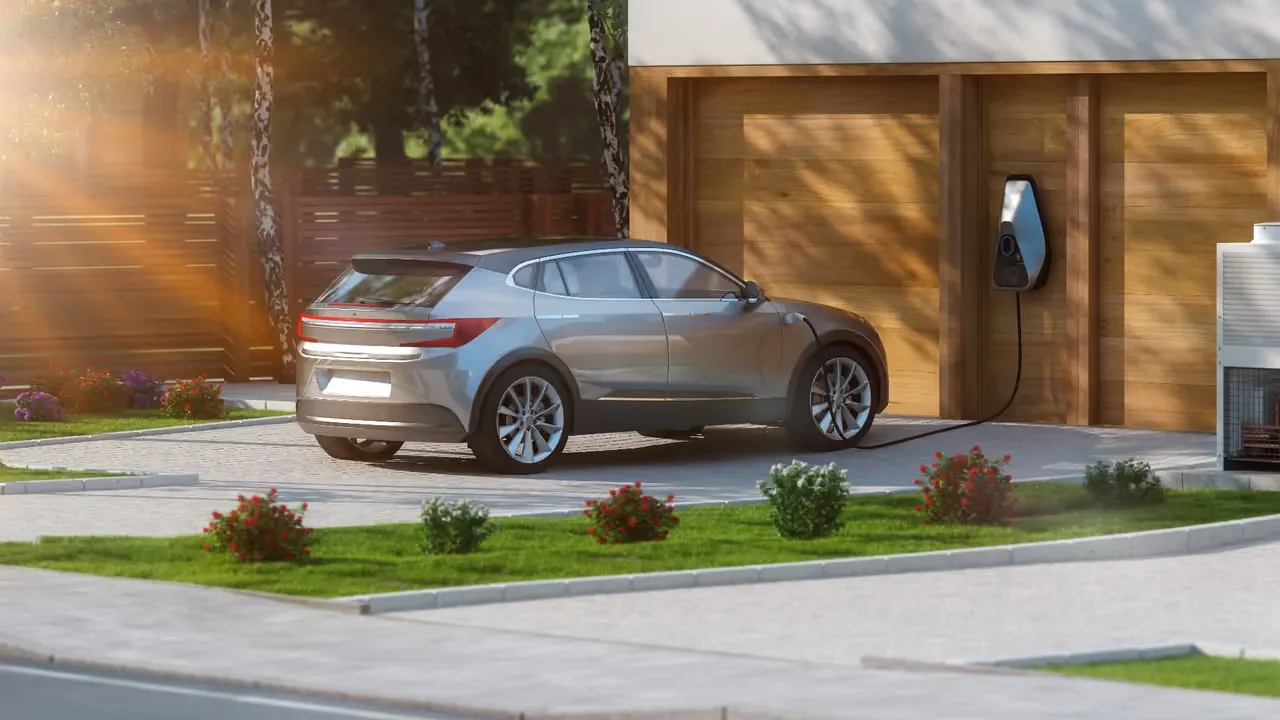
Traditional garages were designed with a focus on storage and protection from the elements, often with no power outlets near the parking spot. Now, the placement of electrical outlets and chargers becomes a defining factor. Homeowners are installing dedicated charging stations mounted on walls, sometimes with retractable cables to avoid clutter on the floor.
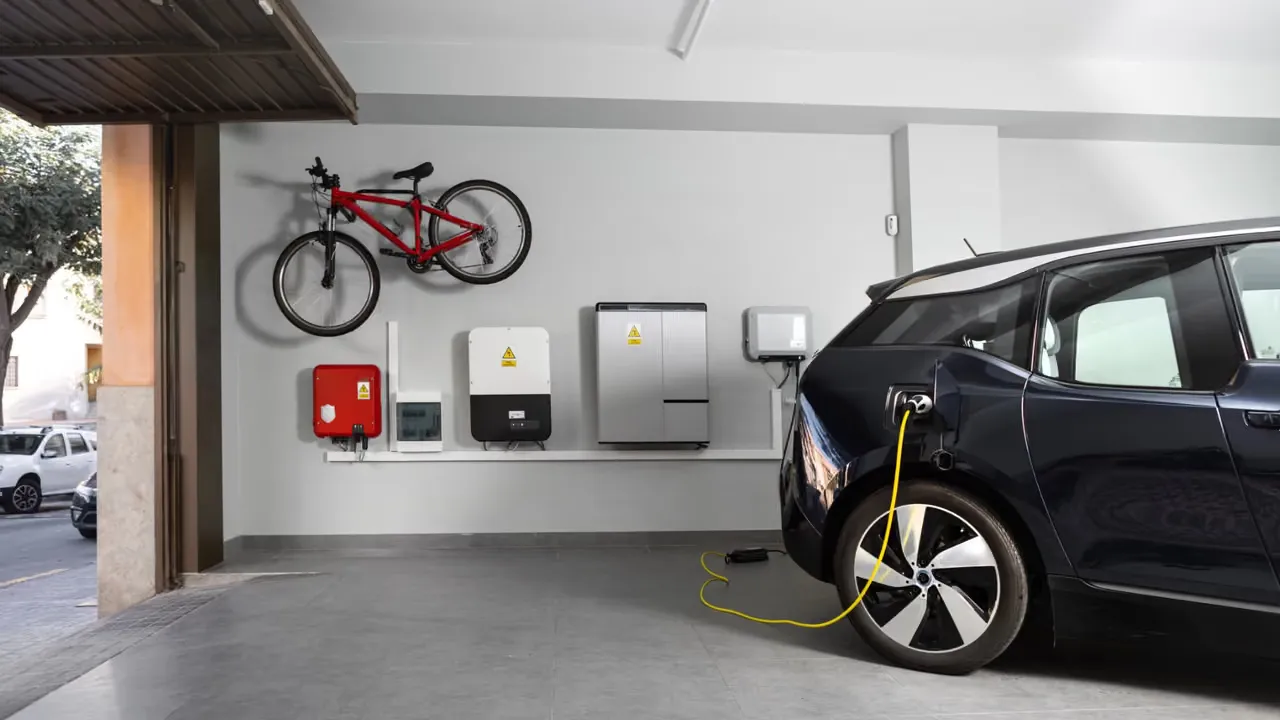
Space is also being reconsidered. To accommodate the charging equipment and cables, some garages are being built larger or with more thoughtful organization systems. It's common to see separate zones within the garage: one strictly for parking and charging the EV, and another for tools, bikes, or even recycling bins.
From Cluttered Corners to Clean Charging Zones
In many homes, the garage was an afterthought, a place to toss things out of sight. Electric cars demand a cleaner, more intentional setup. The need to plug in every day encourages homeowners to clear obstacles and create open spaces where chargers can be easily accessed.
Innovations in Home Charging Infrastructure
Charging an EV at home isn’t as simple as plugging in a phone. Homeowners are investing in Level 2 chargers, which offer faster charging than standard outlets. These chargers often require electrical upgrades, such as dedicated circuits or higher-capacity panels.
Smart chargers are becoming popular, too. These devices communicate with the car and the home’s electrical system to optimize charging times, often scheduling electricity use during off-peak hours to save money and reduce strain on the grid.
Some new systems integrate with solar panels and home batteries, allowing for greener charging options. This integration means garages are becoming key hubs in household energy management, not just vehicle storage spaces.
Daily Routines Meet Charging Patterns
The presence of an EV charger influences how people live. Instead of rushing to a gas station, charging happens overnight or during work hours at home. This subtle shift changes morning routines and encourages habits like plugging in the car as soon as it returns home.
It also means garages need to be welcoming and accessible at different times of day. Lighting, cable management, and even weather protection for outdoor or semi-enclosed garages become important considerations.
Multifunctional Spaces Combining Charging with Storage and Work
As garages evolve, they’re no longer just for cars. Many homeowners are transforming these spaces into multifunctional areas that blend vehicle charging with storage, hobby workshops, or even home offices.
Charging cables and equipment need to coexist with other uses. This has led to clever design solutions such as retractable or ceiling-mounted chargers, fold-away benches, and modular storage systems that keep the space flexible.
Some garages include dedicated workstations near the charging area, allowing for quick maintenance checks on the EV or related gear like bicycles and scooters. Others incorporate climate control to make the space comfortable year-round.
Blurring the Lines Between Garage and Living Space
The electric car era is nudging garages closer to the heart of the home. Where once the garage was a cold, dusty afterthought, it’s becoming a space people want to use and enjoy. This blurring of boundaries encourages better lighting, improved insulation, and thoughtful flooring choices.
Future Trends in Residential Architecture
Looking ahead, architects and builders are responding to EV adoption with bold ideas. Entire neighborhoods are being planned with shared charging hubs, while individual homes feature integrated EV infrastructure from the start.
- Built-in charging walls: Homes with pre-wired charging stations in garages or carports, eliminating the need for retrofits.
- Solar-powered garages: Structures designed with rooftop solar panels directly powering EV chargers.
- Adaptive garages: Spaces that can switch between vehicle charging, storage, or social areas depending on the day’s needs.
- Smart home integration: Garages connected to home automation systems controlling lighting, charging schedules, and security.
Some designs even envision garages without doors, embracing open-air carports equipped with weatherproof chargers, or underground parking with centralized charging systems serving multiple units.
In essence, the electric car is no longer just a mode of transportation; it’s a catalyst for reimagining one of the most overlooked spaces in our homes. The garage is quietly undergoing a transformation, becoming a smarter, cleaner, and more versatile space where technology, daily life, and design intersect.