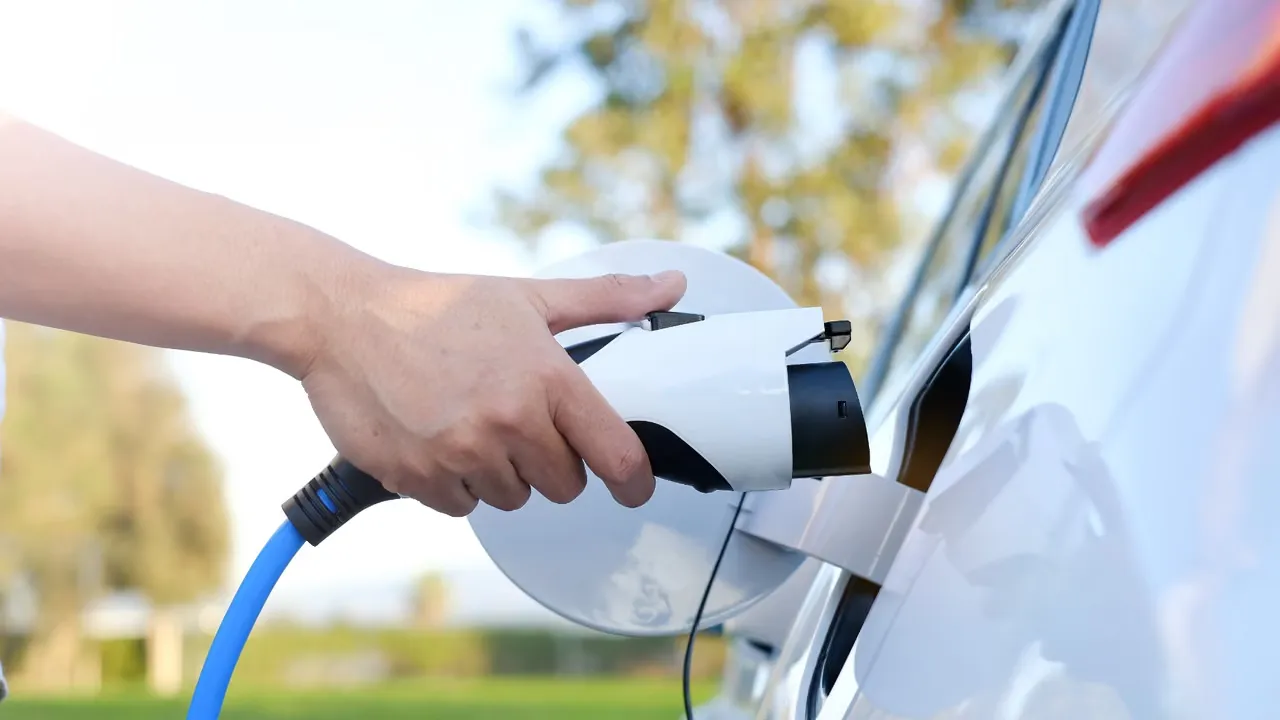


Workplace Chargers Boost Green Commutes
How is the rise of electric vehicles reshaping the way offices think about their spaces and how employees get to work?
Workplace Charging Stations Incentivizing Sustainable Commutes
Electric vehicles (EVs) are no longer a niche market. As more employees switch to EVs, workplaces are stepping up by installing charging stations. But this isn’t just a convenience; it’s a strategic move that encourages greener commuting habits. When companies provide charging infrastructure on-site, it signals a commitment to sustainability and supports employees in making environmentally responsible choices.
Installing workplace chargers helps reduce range anxiety, a common concern for new EV drivers. Employees can charge their cars during the workday without worrying about finding public chargers or rushing home. This assurance can be a decisive factor for someone debating whether to commit to an EV.
Moreover, some companies offer incentives tied to charging usage. For example, discounted or free charging during off-peak hours can lower employees’ commute costs. Others integrate charging data into broader sustainability goals, rewarding teams that reduce their carbon footprint by switching to electric.
Redesigning Office Parking with EVs in Mind
Traditional office parking lots are evolving. As EV ownership rises, companies must rethink how they allocate space and resources. Instead of a uniform parking area, expect to see designated EV zones equipped with chargers and clear signage. These spots are often closer to building entrances, both as a perk and to streamline charging logistics.
But it’s not just about adding chargers. The electrical infrastructure supporting parking lots needs upgrades to handle increased load. This means investing in transformers, wiring, and sometimes energy management systems to avoid costly demand peaks.
Some offices are experimenting with dynamic parking assignments. EV drivers might get priority during peak times or reserved spots, while non-EV drivers share remaining spaces. This creates a subtle but powerful incentive to switch to electric.
Beyond the parking lot, the shift to EVs influences broader facility design. Companies are exploring solar panel canopies over parking areas to generate clean energy directly feeding EV chargers. These combined solutions reduce operational costs and boost green credentials.
Impact of EV Availability on Employee Choices and Productivity
Access to workplace charging and EV-friendly parking changes more than just commute modes; it affects daily routines and employee satisfaction. Knowing their car can be charged at work, employees might opt for longer commutes or occasional trips without worry about running out of power.
This flexibility can reduce stress and improve punctuality. Without the need to rush to public chargers or limit driving, employees arrive calmer and more focused. It also opens up opportunities for mid-day errands or appointments, supported by the ability to top up their battery during working hours.
Interestingly, some companies report that EV infrastructure becomes a talking point in recruitment. Younger, environmentally conscious workers see workplace charging as a sign that their employer shares their values. This can tip the scales when candidates are choosing between job offers.
On the flip side, employers need to manage charger availability fairly. Overcrowded charging bays can lead to frustration, so some implement booking systems or usage policies to keep things running smoothly.
Long-term Benefits for Employers Embracing EV-Friendly Policies
Investing in EV infrastructure is more than a short-term perk; it builds resilience for the future. As regulations tighten and urban centers push for cleaner air, workplaces with established EV support will face fewer disruptions.
Companies that adopt EV-friendly policies often see improved corporate image and stronger community relations. It’s a straightforward way to demonstrate leadership in sustainability without complex program rollouts.
Financially, offering charging can reduce parking space costs over time. Since EVs are often newer and better maintained, fleets and employee vehicles alike bring fewer maintenance headaches and lower emissions-based taxes.
Finally, integrating EV infrastructure encourages a culture of innovation. It signals that a company is forward-thinking, ready to adapt, and values employee well-being in practical terms.