

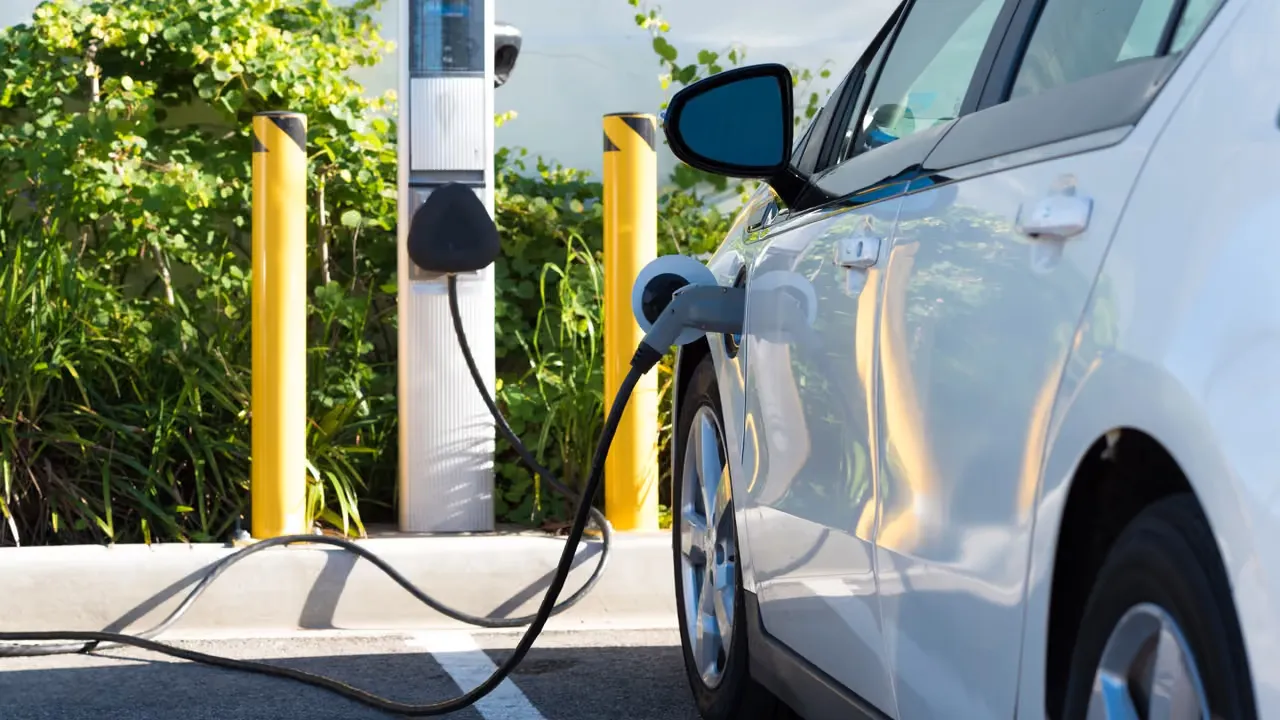
Zero Emission Freight Hits Major Highways
The rumble of diesel engines and the cloud of exhaust have long been synonymous with long-haul trucking. Yet, a quiet revolution is underway on highways across the world. Electric vehicles (EVs) are not just entering the freight logistics scene; they are fundamentally reshaping what it means to move goods efficiently over long distances.
The Challenges of Traditional Long-Haul Trucking and Environmental Impact
Long-haul trucking has always been the backbone of supply chains, transporting goods across states and continents. But it comes with significant challenges. Diesel trucks emit vast amounts of greenhouse gases and pollutants, contributing heavily to climate change and urban air quality problems. According to the Environmental Protection Agency, heavy-duty trucks account for nearly 25% of nitrogen oxide emissions and 20% of carbon dioxide emissions from transportation in the U.S.
Beyond environmental concerns, traditional trucking faces operational hurdles. Fluctuating fuel costs, maintenance demands of combustion engines, and regulatory pressures for cleaner emissions push companies into a constant balancing act. Drivers also wrestle with fatigue, routing inefficiencies, and downtime during refueling and maintenance stops.
Electric Trucks Technology Breakthroughs Enabling Longer Routes
For years, electric trucks were dismissed as impractical for long-haul freight due to limited battery range and slow charging times. That perception is rapidly changing. Advances in battery technology, powertrain efficiency, and vehicle design have pushed electric trucks into new territory.
- Battery energy density has surged, allowing trucks to travel 300 to 500 miles on a single charge, rivaling many diesel routes.
- Fast charging technology now enables significant battery replenishment in under an hour, minimizing downtime.
- Regenerative braking and smart energy management optimize power use, especially on hilly terrain or stop-and-go traffic.
- Improved aerodynamics and lightweight materials reduce energy consumption, extending range further.
Major manufacturers like Tesla, Volvo, and Freightliner have introduced electric semi-trucks that can haul standard freight loads with zero tailpipe emissions. These vehicles are already operating on key freight corridors, proving their capabilities in real-world conditions.
Redesigning Supply Chains Around EV Charging Infrastructure
Electric trucks demand more than just new vehicles—they require a rethink of the entire freight ecosystem. Traditional diesel trucks can refuel at virtually any gas station, but electric trucks need strategically placed charging hubs designed for heavy-duty use.
Logistics companies and governments are collaborating to build networks of high-capacity charging stations along major highways, near distribution centers, and at trucking terminals. This infrastructure development is crucial for eliminating range anxiety and optimizing route planning.
Supply chains are becoming more dynamic:
- Route planning software now integrates charging station locations, battery state, and delivery windows.
- Scheduling adapts to include charging stops that align with driver rest periods.
- Warehouses and distribution centers are installing on-site chargers to support overnight and midday truck charging.
- Energy management systems synchronize charging with grid demands, sometimes leveraging renewable energy sources.
This interconnected approach creates a more resilient and efficient freight network, reducing delays and improving predictability.
Economic and Environmental Benefits of Electrifying Freight Transport
Switching to electric trucks offers compelling economic advantages for freight operators:
- Lower operating costs: Electricity is cheaper and less volatile than diesel fuel, and electric trucks have fewer moving parts, reducing maintenance expenses.
- Incentives and regulations: Governments provide tax credits, grants, and emissions regulations that favor zero-emission vehicles, improving total cost of ownership.
- Driver attraction and retention: Electric trucks offer quieter, smoother rides, which can improve driver comfort and job satisfaction.
From an environmental perspective, the benefits extend beyond tailpipe emissions. Electric trucks powered by renewable energy dramatically cut lifecycle greenhouse gas emissions, helping companies meet sustainability goals and comply with stricter emissions standards.
Moreover, reduced noise pollution and improved air quality along freight corridors enhance public health and community relations near highways and distribution hubs.
The metrics for efficiency in long-haul trucking are evolving. It’s no longer just about miles per gallon or speed. Electric trucks introduce new parameters like energy consumption per ton-mile, charging station uptime, and grid integration efficiency. Freight logistics is becoming a smarter, cleaner industry—one charge at a time.