

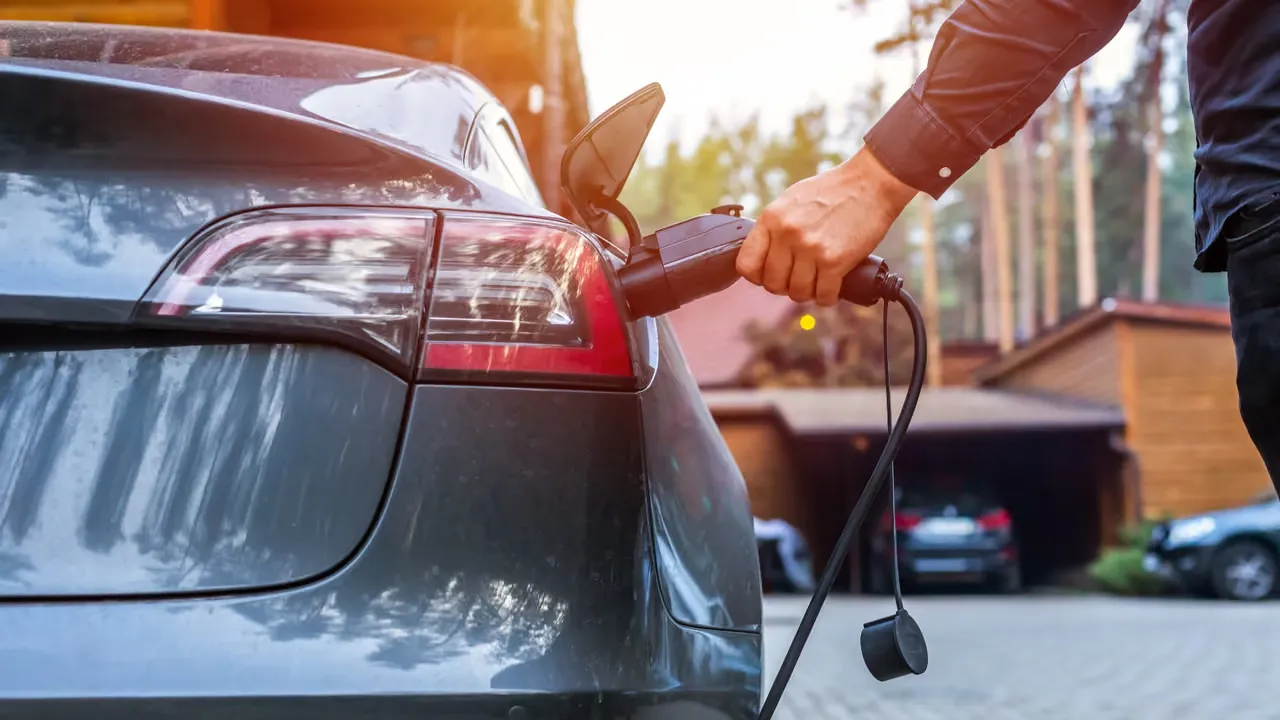
Community EV Charging Hubs Transform Suburbs
What if the key to faster electric vehicle adoption in suburban neighborhoods lies not in sprawling networks of private chargers but in community-driven charging hubs?
The Challenge of EV Infrastructure in Suburban Areas
Suburban neighborhoods present a unique set of challenges when it comes to electric vehicle (EV) charging. Unlike dense urban areas where multi-unit dwellings and public parking lots create natural opportunities for shared charging stations, suburban homes often rely on private garages or driveways. However, not every household has the luxury of off-street parking, and even those with garages face limitations such as electrical panel capacity or lack of dedicated chargers.
Moreover, the cost of installing a home charger can be prohibitive for some, and the patchwork of local regulations and utility incentives often complicates matters further. Public charging infrastructure in suburbs tends to be sparse and irregularly distributed, leaving many potential EV owners hesitant to make the switch. The absence of convenient, reliable charging options creates a barrier, slowing down the transition away from fossil fuels.
Benefits of Community-Driven Charging Hubs
Community-driven EV charging hubs offer a promising alternative that directly addresses these challenges. By pooling resources and demand, neighborhoods can create shared charging stations that serve multiple households and visitors.
- Cost Efficiency: Sharing the cost of installation and maintenance among several users reduces the financial burden on any single household.
- Increased Accessibility: Residents without private parking gain access to reliable charging options close to home.
- Social Engagement: These hubs become focal points for community interaction and can foster a culture of sustainability.
- Scalability: As more residents adopt EVs, hubs can expand incrementally without the need for widespread individual upgrades.
- Environmental Impact: Concentrating chargers in community hubs allows for smarter integration with local grid management and renewable energy sources.
Design Considerations for Effective Community Hubs
Creating a community EV charging hub is not as simple as slapping a few chargers into a parking lot. Thoughtful design is critical to maximize usability and acceptance.
Location and Accessibility
Hubs should be placed in easily reachable, safe, and well-lit areas, ideally near common gathering spots such as parks, community centers, or shopping areas. Accessibility for people of all ages and abilities must be factored in.
Charging Speed and Capacity
Including a mix of Level 2 chargers for everyday use and a few DC fast chargers for quick top-ups can accommodate varying needs. Planning capacity according to neighborhood size and anticipated growth ensures the hub remains efficient as demand increases.
Payment and Reservation Systems
Implementing user-friendly payment options and reservation systems helps prevent conflicts and ensures fair access. Apps or membership models can streamline operations and foster trust among users.
Community Involvement and Governance
Involving residents in planning, decision-making, and ongoing management builds a sense of ownership. Transparent governance structures can address disputes and adapt services based on feedback.
Integration with Renewable Energy and Storage
Pairing charging hubs with solar panels and battery storage can reduce strain on the grid, lower costs, and enhance sustainability. Smart energy management systems can optimize when and how vehicles are charged.
Success Stories and Lessons Learned from Suburban Implementations
Several suburban communities have demonstrated how community-driven EV charging hubs can thrive.
Case Study 1: Walnut Creek, California
In Walnut Creek, a suburban city with a growing EV population, the local government partnered with a neighborhood association to install a community charging hub in a public parking lot. The project combined Level 2 chargers and solar canopies, funded through a mix of grants and community fundraising.
Residents participated in planning meetings, helping determine charger placement and hours of operation. An app-based reservation system minimized conflicts. After one year, EV adoption in the neighborhood increased by 30%, and the hub saw consistent daily use.
Case Study 2: Fairfax County, Virginia
Fairfax County piloted a “block charging” program where clusters of homes shared access to a small number of Level 2 chargers installed on street parking spots. The program focused on streets where off-street parking was limited.
Community meetings were crucial to address concerns about parking availability and equitable access. The county provided subsidies to lower installation costs. The success of the pilot led to plans for expanding similar hubs in other neighborhoods.
Lessons Learned
- Community Engagement is Non-Negotiable: Early and ongoing involvement of residents avoids misunderstandings and fosters enthusiasm.
- Flexible Design is Key: Configurations must adapt to local parking patterns, electrical infrastructure, and user habits.
- Clear Policies Prevent Conflicts: Transparent rules about usage, payment, and maintenance encourage fairness.
- Partnerships Multiply Impact: Collaborations between municipalities, utilities, neighborhood groups, and private companies unlock resources and expertise.
- Technology Enhances Experience: Reservation apps, real-time availability updates, and smart charging systems optimize convenience and grid integration.
Community-driven EV charging hubs are more than convenience points—they are catalysts for cultural and infrastructural shifts. By centering the community in the transition, suburban neighborhoods can overcome traditional barriers and accelerate the adoption of electric vehicles.