
Four Ways Smart Grids Boost Electric Driving
What if your electric vehicle could not only save you money on fuel but also help balance the entire power grid? The integration of EV charging infrastructure with smart grid technology promises just that—changing how we use and manage energy while cutting costs for drivers.
Understanding Smart Grids and Their Role in Energy Management
Smart grids are electricity networks upgraded with digital communication tools. Unlike old grids that only send power from plants to homes, smart grids allow two-way communication between utilities and users. This means real-time monitoring, automatic control, and smarter electricity distribution.
At their core, smart grids manage energy demand more flexibly. They can shift loads, bring in renewable sources like solar and wind, and even store energy for later. This flexibility is key as more electric vehicles hit the road, raising electricity demand and stressing current systems.
How Smart Grids and EV Charging Work Together
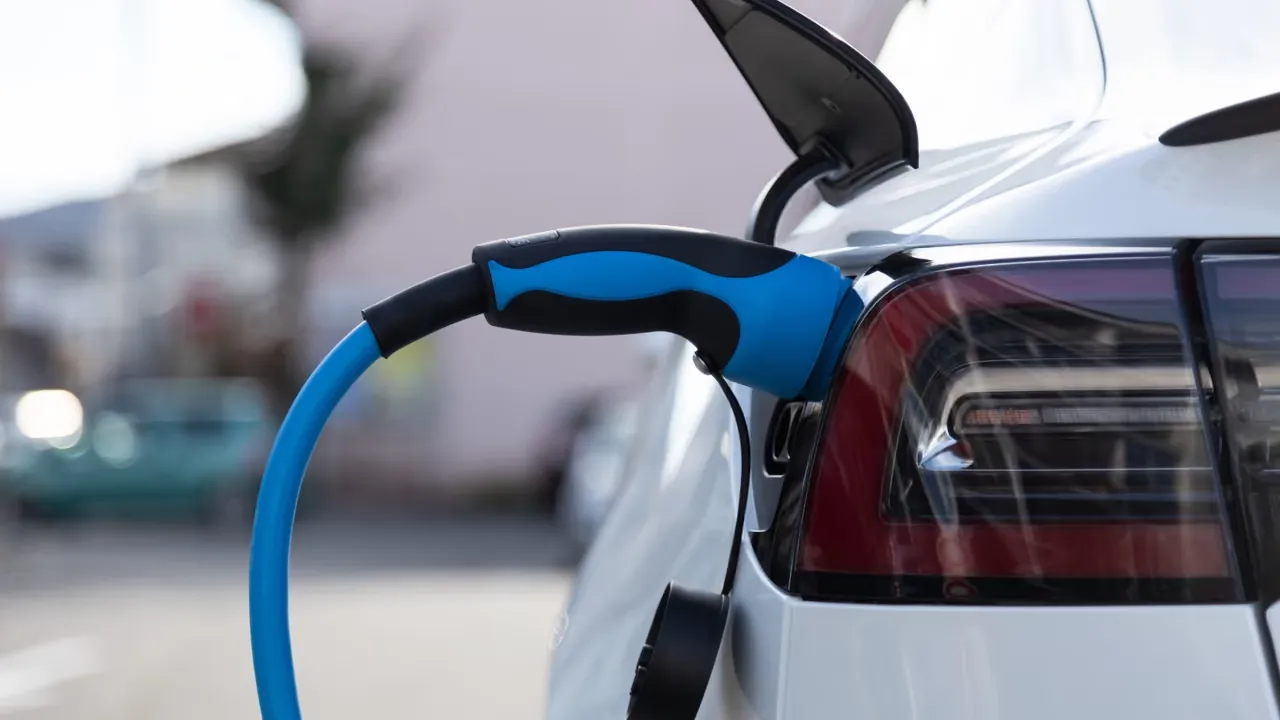
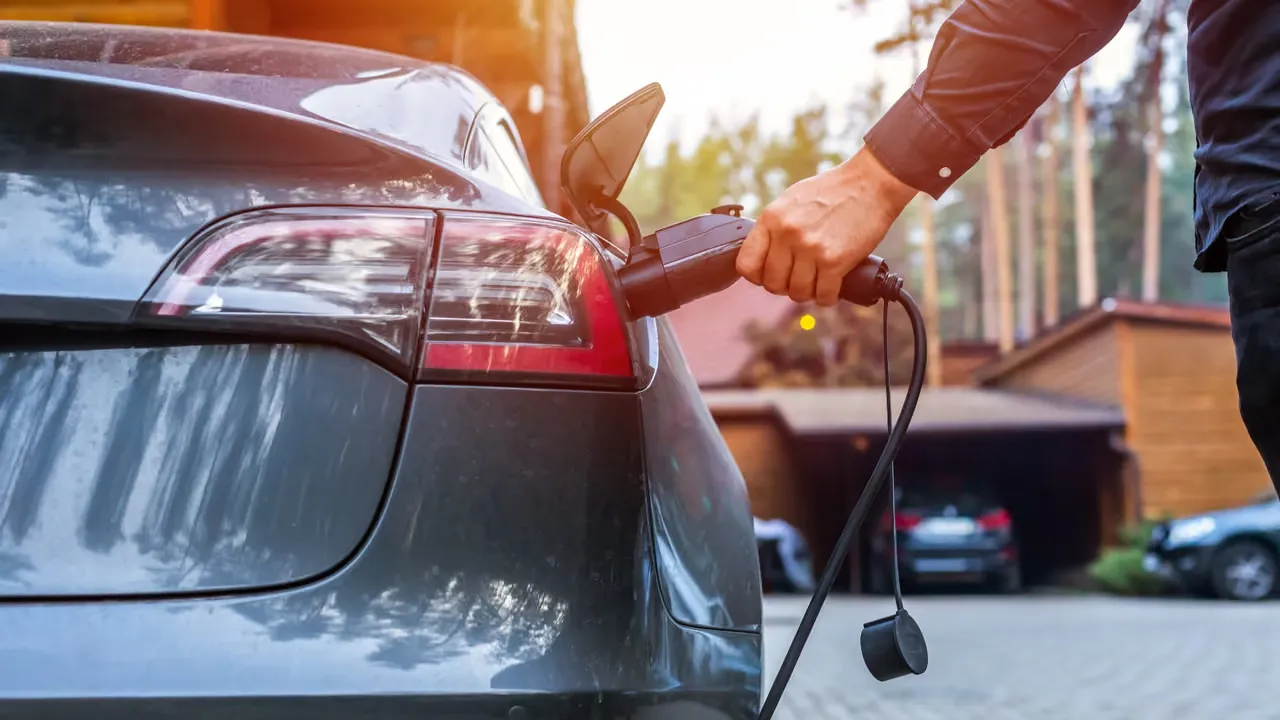
Electric vehicle chargers linked to a smart grid are not just simple plugs drawing power. They act as smart nodes that adjust charging based on grid needs, energy prices, and user choices. This helps smooth out peak demand times and matches charging with when renewable energy is available.
For example, if the grid is under heavy load during the afternoon, a smart charger can delay charging until later at night when demand is lower and electricity is cheaper. This not only saves money but also eases pressure on the grid.
The Benefits of Smart EV Charging for Consumers and Utilities
- Lower energy costs Smart chargers can delay or reduce charging during peak hours when electricity prices are high. They ramp up charging when rates drop. Drivers save on utility bills without losing convenience.
- Grid stability By smoothing out demand spikes, smart EV charging lowers the risk of blackouts and cuts the need for costly upgrades. Utilities can manage resources better, improving service reliability.
- Environmental impact Smart charging favors renewable energy by charging vehicles when power comes from cleaner sources. This reduces the carbon footprint of driving electric cars.
- Vehicle-to-grid potential Advanced systems might let EVs send electricity back to the grid during peak times, turning parked cars into small power plants.
Real-World Examples
Several cities and utilities have launched pilot programs that link smart EV chargers with grid management. In California, for instance, utilities offer time-of-use rates that encourage drivers to charge overnight when demand is low. These programs have shown clear savings and benefits for the grid.
In Europe, some projects test vehicle-to-grid technology, where EVs feed energy back to the grid during peak hours. This helps balance supply and demand while giving drivers extra income or credits.
Challenges in Implementing Smart Grid-Connected EV Chargers
- Infrastructure costs Upgrading grids and installing smart chargers takes big investment. Utilities and governments need to work together on funding and policies.
- Data privacy and security Smart grids collect lots of data. Protecting user information and stopping cyberattacks is critical to keep trust and safety.
- Interoperability Many charging standards and communication protocols exist. Making sure different devices and systems work well together is still a challenge.
- User acceptance Drivers must trust and understand smart charging. Clear pricing and easy controls help people adopt the technology.
- Regulatory barriers Energy markets and rules vary widely. Sometimes regulations slow down new grid solutions.
Future Outlook Toward a More Efficient and Sustainable Energy Ecosystem
The growth of smart grid-connected EV charging is speeding up alongside advances in battery tech, artificial intelligence, and renewable energy. As more cars plug into smarter chargers, energy systems will become more responsive and efficient.
Picture neighborhoods where EVs act as a virtual power plant, supporting the grid during peak times and soaking up extra renewable energy when it’s plentiful. Smart charging will make this possible by linking millions of cars to a smart energy network.
Policy makers, utilities, and tech providers all have roles in solving current challenges. The reward is a cleaner, stronger grid and lower costs for electric drivers.