
The New Rhythm of EV Charging in 2026
Charging an electric vehicle used to feel like the big question. How long will it take? Will there be a charger available? Do I need another app just to get started?
In 2026, the experience is becoming far more natural. It is no longer only about finding a plug. It is about fitting energy into everyday life.
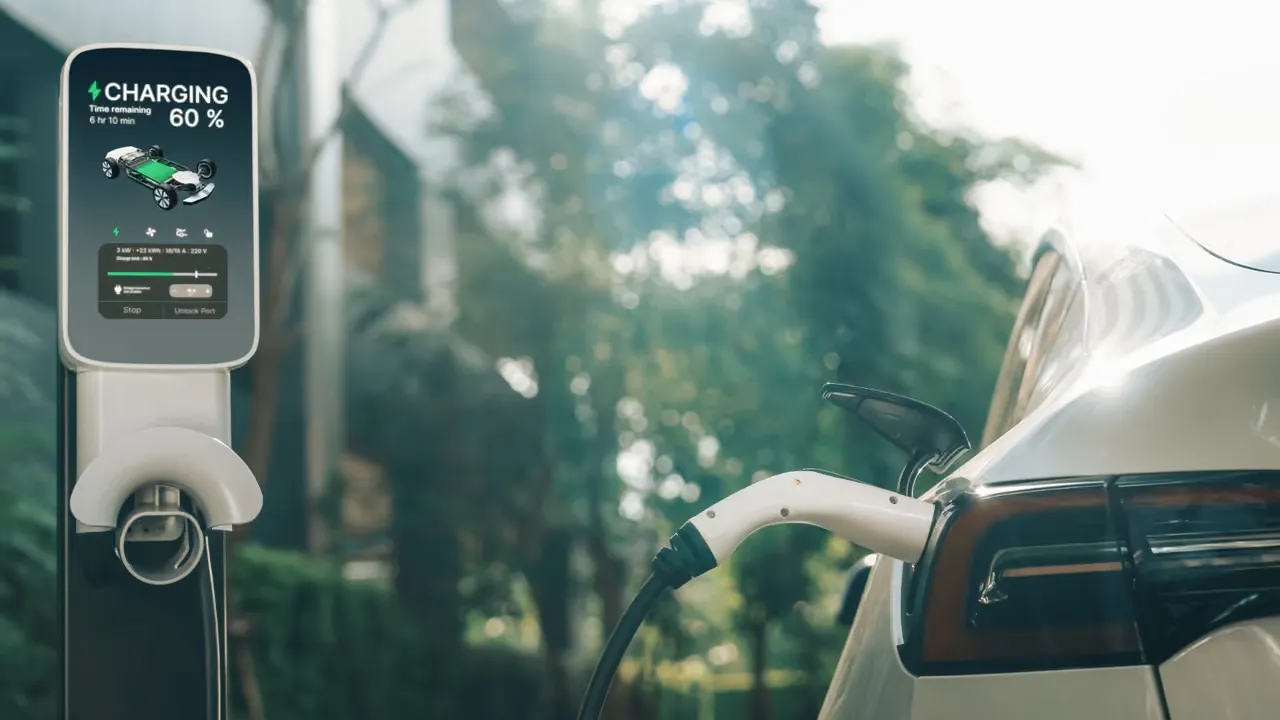
For many drivers, charging starts at home. Plug in after work, wake up with the battery ready, and begin the day without stopping at a fuel station. That simple shift changes the rhythm of owning a car. Your vehicle spends hours parked anyway. Why not let that time work for you?
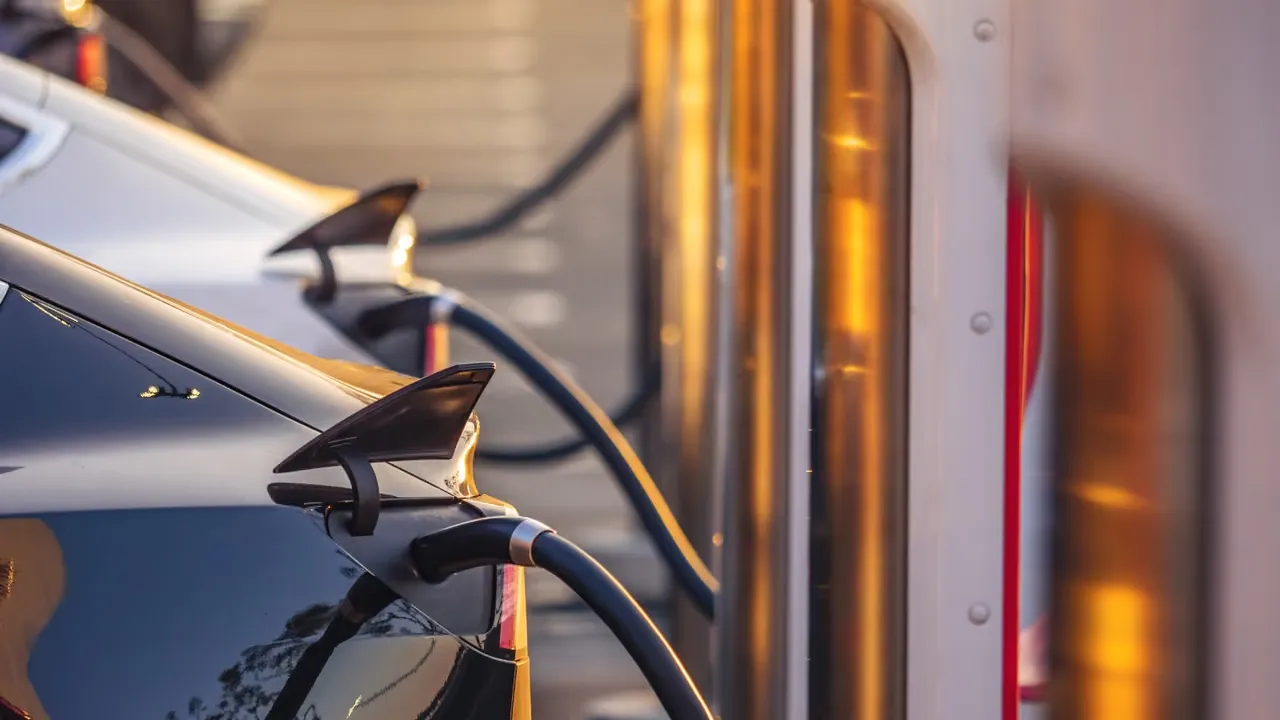
Public charging is changing quickly too. Faster chargers are becoming more common along major routes, while destination charging at supermarkets, hotels, gyms and workplaces makes it easier to add range while doing something else. The best charging session is often the one you barely notice.
Faster Does Not Always Mean Better
Ultra-fast charging is one of the biggest headlines in electric mobility. New 800-volt and 1,000-volt vehicle platforms are making it possible for compatible cars to add meaningful range in a short break. Some manufacturers are now announcing charging times below ten minutes under ideal conditions.
That sounds impressive, and it is. But speed is only one part of a great charging experience.
A reliable 22 kW charger near your office can be more useful than a powerful charger far from your route. A simple, working payment process can matter more than an extra few kilowatts. And a charger located where you already want to stop can make EV travel feel effortless.
The future of charging is not one single type of charger. It is the right mix: home charging for daily life, destination charging for convenience, and fast charging for longer journeys.
Charging Gets Smarter
The next major change is happening quietly in the background. Smart charging allows an EV to choose the best time to charge based on electricity prices, renewable-energy availability or pressure on the local grid.
Imagine arriving home, connecting your car and letting the system handle the rest. Your EV can be ready by morning while charging when electricity is cheaper or cleaner. You stay in control by setting the time you need the car, but the technology takes care of the details.
This matters because millions of electric cars will add new demand to the grid. Smart charging helps spread that demand more evenly instead of creating a rush at the same hour every evening.
It can also help drivers save money. Electricity is not priced the same at every hour of the day, and flexible charging gives EV owners a practical way to benefit from that difference.
A More Connected Experience
Europe’s charging network is also moving towards a more connected experience. Contactless payment, roaming between networks and automatic authentication are gradually reducing the need for separate accounts and apps.
The goal is simple: arrive, plug in, charge and continue your journey.
There is still work to do. Charger reliability, clear pricing and easy access remain essential. But the direction is clear. EV charging is becoming less of a separate task and more like a service that blends into daily routines.
In 2026, charging an electric car is not just about waiting for energy. It is about using time more intelligently. And that is what makes electric mobility feel increasingly practical.