

Why Employees Crave Charging at Work
Have you noticed how the daily commute is changing, quietly but steadily? The rise of electric vehicles (EVs) isn’t just reshaping what we drive—it’s transforming where and how we charge, especially at work. Workplace EV charging stations have become more than a convenience; they’re shifting employee habits and even company cultures in ways few expected.
The rise of EV ownership among employees and the demand for workplace charging
Electric vehicles are no longer a niche choice. With improving battery technology, expanding model options, and growing environmental awareness, more employees are driving EVs. This surge naturally leads to increased demand for charging infrastructure beyond home and public stations. Many find that home charging isn’t always practical—urban dwellers without garages or reliable access to private parking face daily challenges. Meanwhile, public chargers can be crowded, inconsistent, or inconveniently located.
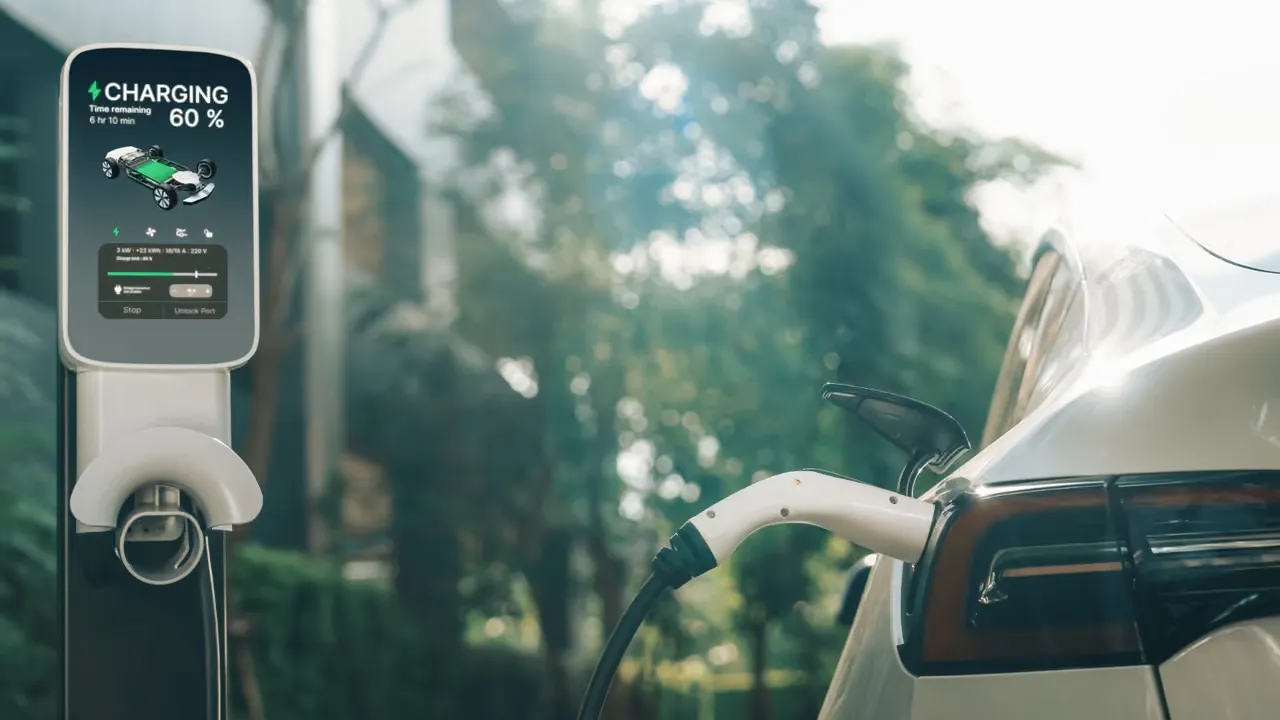
This is where workplace charging comes in. Employees want the ability to plug in during their shift, ensuring they leave work with a full battery. Companies that recognize this need often see EV charging stations quickly become a valued perk rather than just an amenity. The shift isn’t purely about technology; it’s about meeting evolving expectations and supporting sustainable, practical commuting choices.
How companies integrate EV charging to support sustainable commuting
Forward-thinking companies have started to embed EV charging into their sustainability strategies. Installing charging stations signals a commitment to reducing carbon footprints and encouraging greener commuting. But it’s not always as simple as adding a few plugs. Successful integration requires thoughtful planning:
- Understanding employee needs: Surveying staff about EV ownership and charging habits helps prioritize the number and type of chargers.
- Choosing the right technology: Level 2 chargers balance cost and speed, while DC fast chargers suit locations with high turnover or shorter shifts.
- Incentivizing use: Some companies offer charging at a subsidized rate or free to employees, turning it into a tangible benefit.
- Integrating with parking: Dedicated EV parking spots near entrances improve accessibility and visibility.
- Communicating values: Linking charging infrastructure to broader environmental goals reinforces company identity and purpose.
It’s no coincidence that workplaces with EV charging often promote other sustainable practices like bike-to-work programs, carpool incentives, or flexible hours to reduce peak congestion. Charging stations become part of a broader culture shift toward environmental responsibility.
Impact on employee satisfaction retention and productivity
Workplace EV charging is more than a green gesture; it affects how employees feel about their jobs and employers. Studies and anecdotal evidence point to several key benefits:
- Increased job satisfaction: Employees appreciate employers who invest in amenities that align with their lifestyle and values. Easy access to charging reduces stress around range anxiety and makes daily routines smoother.
- Improved retention: When employees perceive their company as forward-thinking and supportive, they’re more likely to stay. EV charging perks contribute to a positive overall work environment.
- Boosted productivity: Charging while working means employees spend less time worrying about finding a charger elsewhere or dealing with transportation hiccups, which translates to better focus and fewer absences.
- Talent attraction: Younger workers, who are leading the EV adoption wave, often consider sustainability initiatives when choosing employers.
By investing in EV charging, companies don’t just support commuting—they foster a culture that respects employee needs and environmental responsibility.
Case studies of businesses successfully embedding charging into their culture
Several companies have set examples by making workplace EV charging a core part of their identity:
- Patagonia installed numerous Level 2 chargers at its headquarters, encouraging employees to drive electric and even offering incentives for sustainable commuting. This aligns with their brand ethos and deep environmental commitment, strengthening employee pride and loyalty.
- Salesforce integrated EV charging stations across multiple offices, pairing them with education sessions on sustainable commuting and incentives like reserved EV parking. Their approach showcases how infrastructure paired with culture-building can drive adoption.
- Google offers hundreds of chargers for employees, framing it as part of their comprehensive sustainability strategy. Their campus environment supports EV drivers with priority parking and easy access, making charging a seamless part of the workday.
These companies prove that workplace EV charging isn’t just about infrastructure; it’s about embedding sustainability into everyday experiences. The result? Employees who feel supported in their green choices and companies that walk the talk on climate action.