
Why Smart Charging Is the Real EV Upgrade
When people talk about EV charging, they usually talk about speed. How many kilowatts? How many minutes? How far can the car travel after one stop?
But in 2026, the most valuable charging upgrade may not be a faster charger. It may be a smarter one.
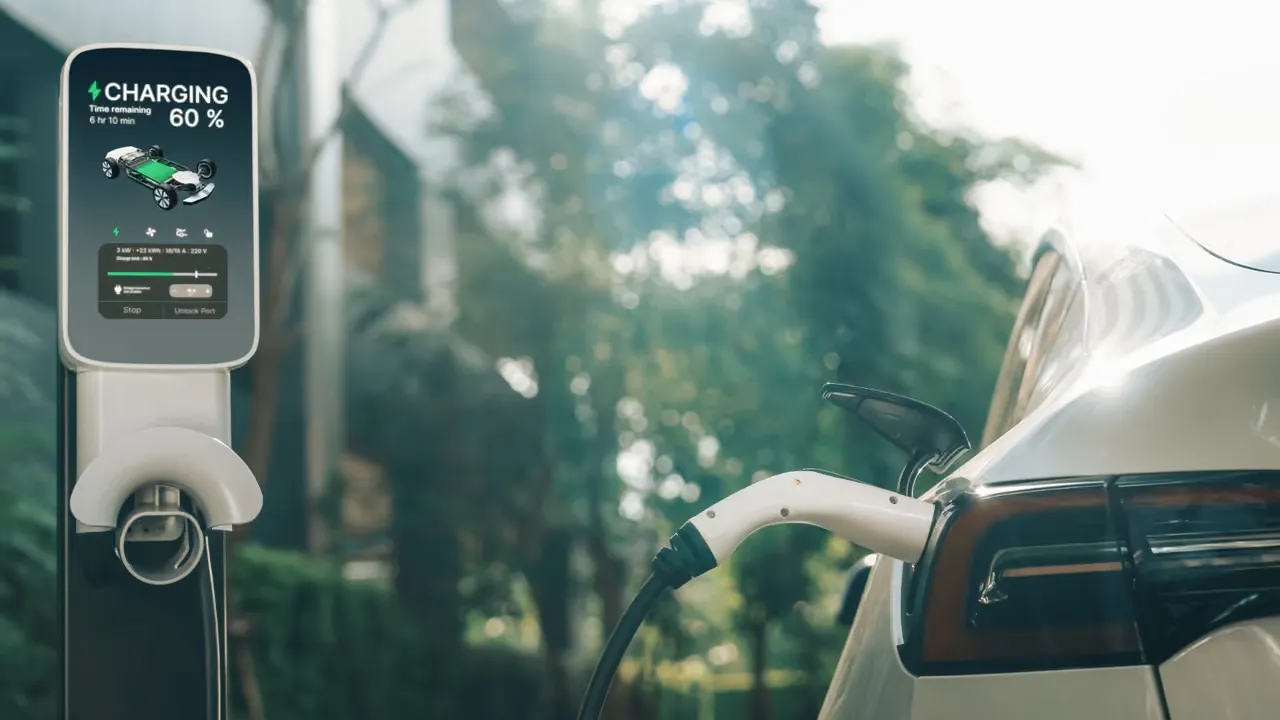
Smart charging means that an electric vehicle, charger and energy system can work together. Instead of charging the moment a cable is connected, the system can select the best time to charge based on your needs, electricity prices and demand on the local grid.
It sounds technical, but the benefit is wonderfully simple: your car is ready when you need it, while the energy is used more intelligently.
Your Car Already Knows When It Is Parked
Most cars spend far more time parked than moving. For a typical daily commute, an EV may only need a few hours of charging to recover the energy it used.
That flexibility creates an opportunity.
If you arrive home at 6 p.m. but do not need to drive again until 8 a.m., there is no reason your car has to charge at the busiest and most expensive moment of the evening. Smart charging can wait until later in the night, when demand is lower and electricity may be less expensive.
You choose the deadline. The technology handles the timing.
For drivers, this can make charging feel less demanding. You plug in once and let the system do the thinking.
Better for the Grid, Better for Everyone
As electric cars become more common, electricity networks need to manage larger charging loads. The challenge is not simply producing enough electricity over a full day. It is managing the times when everybody wants energy at once.
Smart charging helps avoid unnecessary peaks.
By shifting some charging to quieter hours, EVs can make better use of existing grid capacity. They can also absorb more electricity when renewable generation is plentiful, such as sunny afternoons or windy nights.
The International Energy Agency expects EV electricity demand to grow strongly in the coming years, particularly in Europe. Smart charging is one of the tools that can help support that growth without making the grid work harder than necessary.
More Than a Charging Timer
A basic timer can tell a charger to start at midnight. Smart charging goes further.
It can respond to dynamic energy prices. It can use information from a solar-energy system. It can consider a driver’s preferred departure time. In some cases, it can even coordinate charging across an entire apartment building, office car park or vehicle fleet.
For a business fleet, this can be especially valuable. Instead of every van or car charging at maximum power as soon as it returns to base, the system can balance available electricity across all vehicles. Every vehicle gets the energy it needs, but the site avoids an expensive spike in demand.
The Road to Bidirectional Energy
Smart charging also opens the door to something even more exciting: bidirectional charging.
This allows compatible EVs to send electricity back to a home, building or grid when needed. The car is no longer only an energy user. It can become a flexible battery on wheels.
The technology is still developing, and standards, tariffs and vehicle compatibility need to become clearer. But early commercial offers are already appearing. In the future, an EV could help support a home during expensive energy periods or contribute flexibility to the wider electricity system.
That is a powerful idea. Your car could do more than take you to work. It could become part of how your home uses energy.
Smart charging may not have the drama of a ten-minute fast-charging stop. But it has something better: it makes electric mobility fit more naturally into real life.